The logic behind this 13F is a specific supply and demand judgment: the constraints of AI expansion are shifting.
Written by: Bibi News
On May 18, 2026, Situational Awareness LP submitted its first quarter 2026 13F filing.
The nominal exposure of this fund to US stocks and options expanded from $5.52 billion at the end of 2025 to $13.677 billion, an increase of 148% in a single quarter.
What attracted market attention was not the scale, but the structure: over 60% of the new nominal exposure was entirely placed on put options in the chip sector.
What happened in Q1
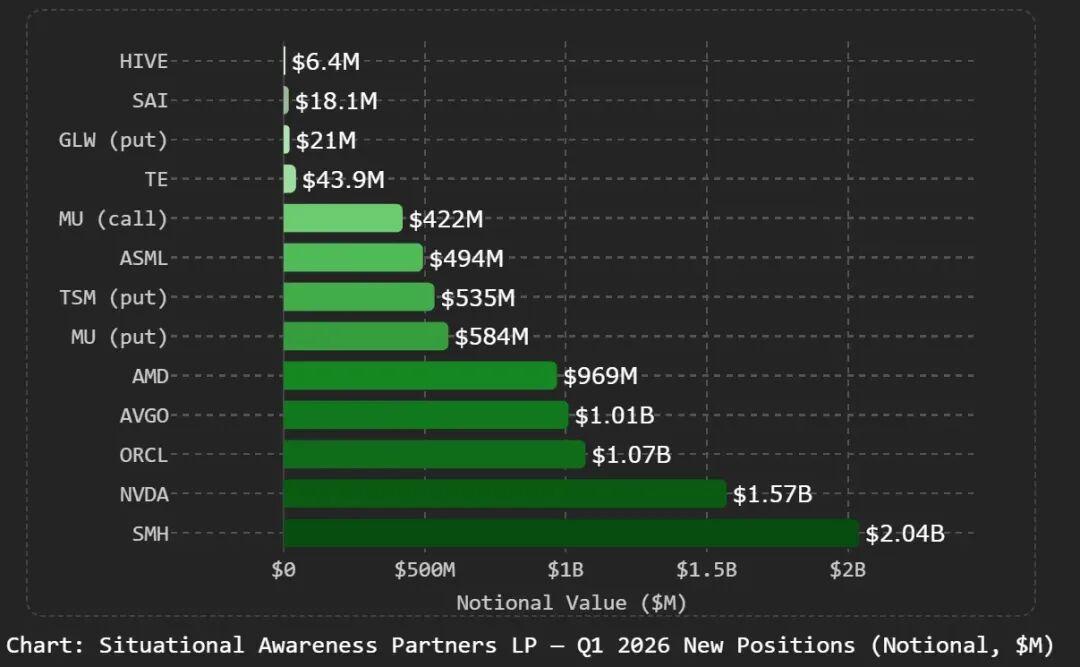
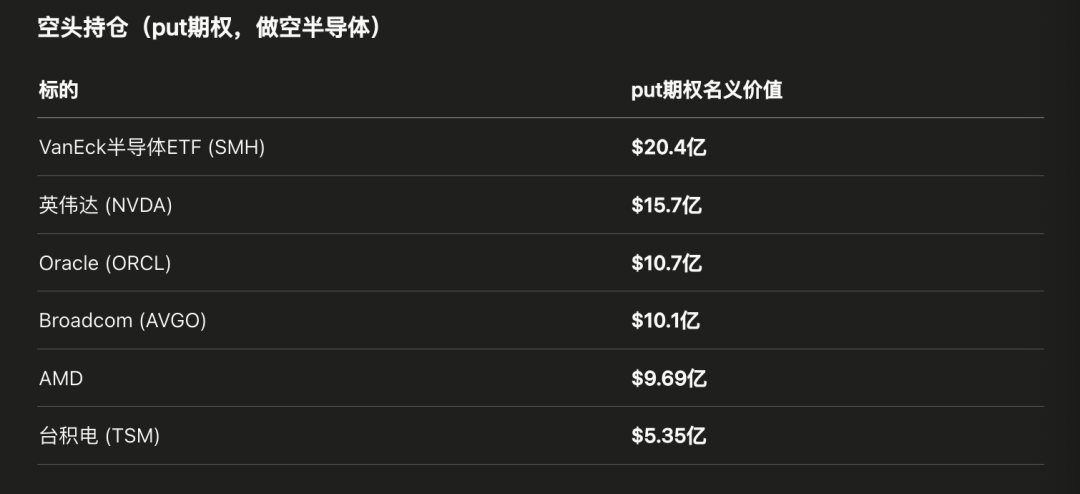
The put options covered nine underlying assets: VanEck Semiconductor ETF (SMH), NVIDIA, Broadcom, Oracle, AMD, Micron, TSMC, ASML, Intel.
Among these, the nominal scale of the SMH put options was the largest, reaching $2.04 billion, followed closely by NVIDIA at $1.56 billion. Micron and TSMC simultaneously held both call and put options, indicating a two-way bet on volatility rather than a one-sided short position.
It should be noted that the 13F filing only discloses the nominal value of options and cannot directly assess the net short size. These put positions could either be a proactive short bet or a hedge against long positions held simultaneously.
Relying solely on the filing does not fully reveal intentions.
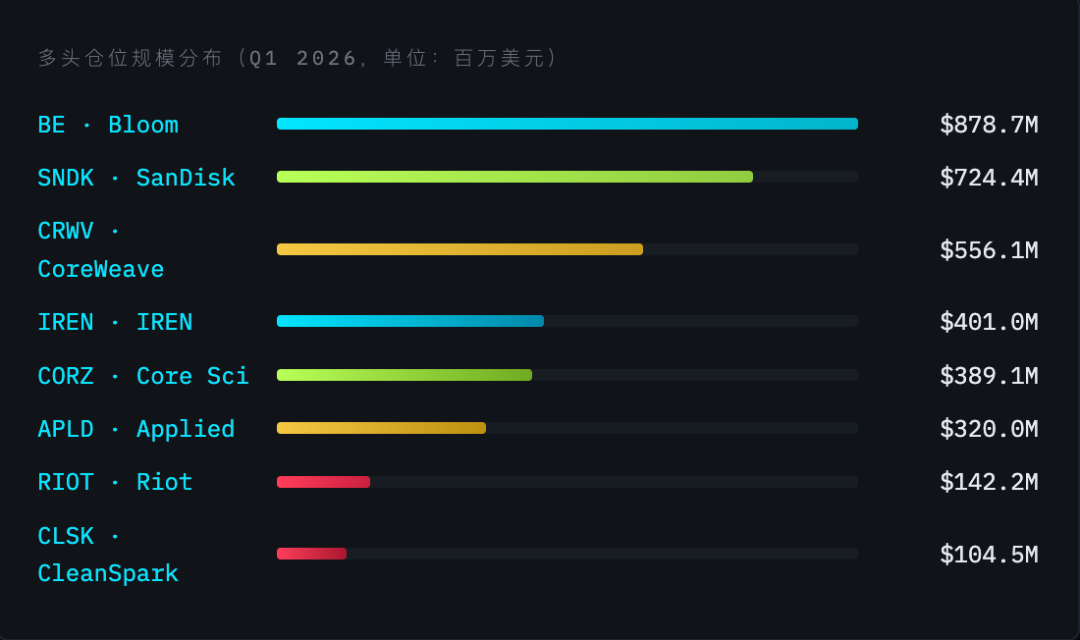
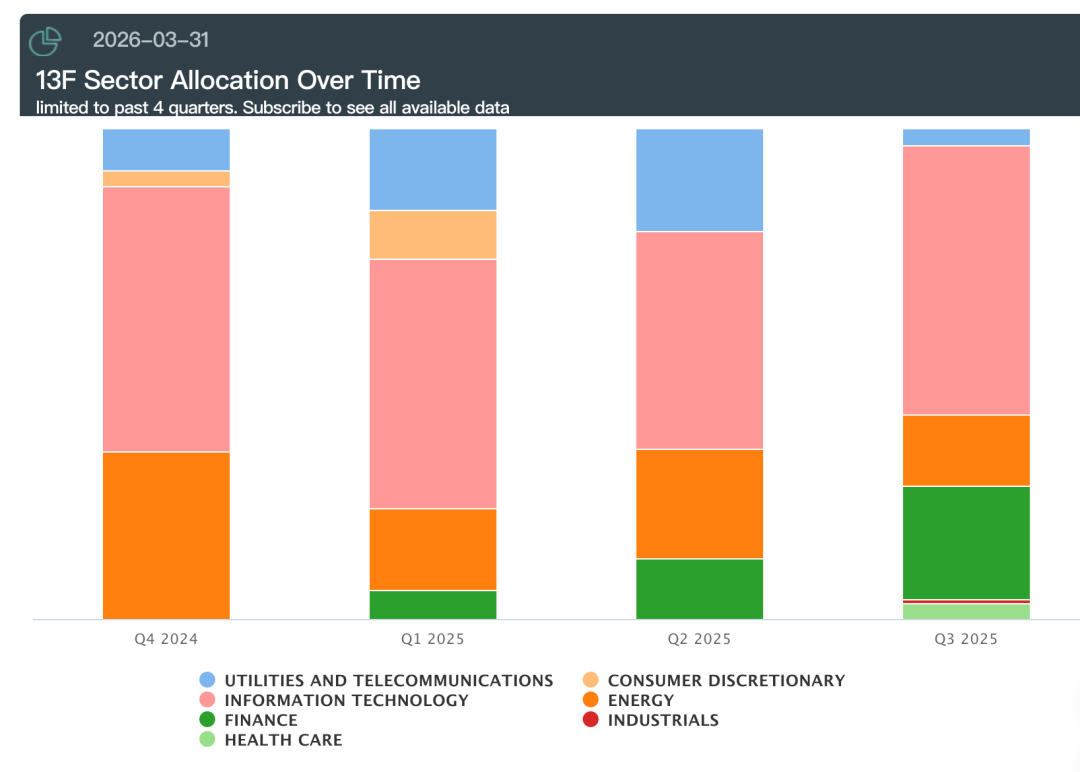
In terms of underlying stocks, the fund continued to increase its investment in computing infrastructure.
CoreWeave's holdings increased from 6.1 million shares to 7.18 million shares; IREN and Applied Digital also increased their holdings;
Expansion in mining companies was most noticeable, with Bitfarms (now renamed Keel Infrastructure) increasing from 6.9 million shares to 19.88 million shares, CleanSpark from 1.64 million shares to 12.28 million shares, and Riot Platforms from 6.17 million shares to 11.5 million shares.
Bloom Energy reduced its holdings by 3.59 million shares but still maintains a position worth approximately $879 million, while retaining 408,500 call options. This is profit-taking, not a directional change.
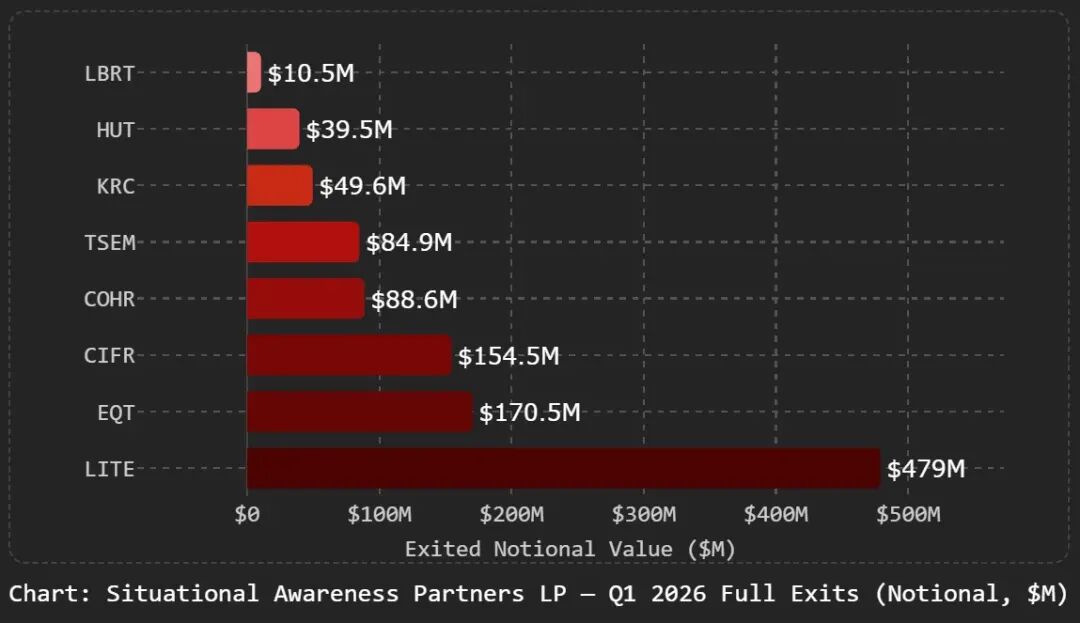
Exit actions were concentrated in the optical communications sector.
Lumentum and Coherent were completely liquidated; in the previous quarter, Lumentum's position accounted for as much as 8.68%, but this quarter it has gone to zero.
Intel's operations are worth noting: last quarter it held approximately 20 million call options, which were fully liquidated this quarter, while simultaneously establishing put option positions.
This is not a closing of positions but a complete reversal in direction, from bullish to bearish.
Where the bottleneck is, there lies the money
The logic behind this 13F is a specific supply and demand judgment: the constraints of AI expansion are shifting.
In the past two years, the core contradiction restricting the scale of AI has been the shortage of GPUs, leading the market to continuously trade NVIDIA, HBM memory, advanced processes, and optical communications. During this phase, the chip sector overall received significant premiums.
However, as compute clusters scale toward 100,000 cards or even 1 million cards, new constraints are emerging.
The backlog of grid access applications in the US currently exceeds 2TW, with an average waiting period of over five years; transformer capacity is limited, and the construction cycle for new data centers is measured in years; while chip production can continue to expand, the power, land, and construction capacity required to support chip operations cannot keep pace.
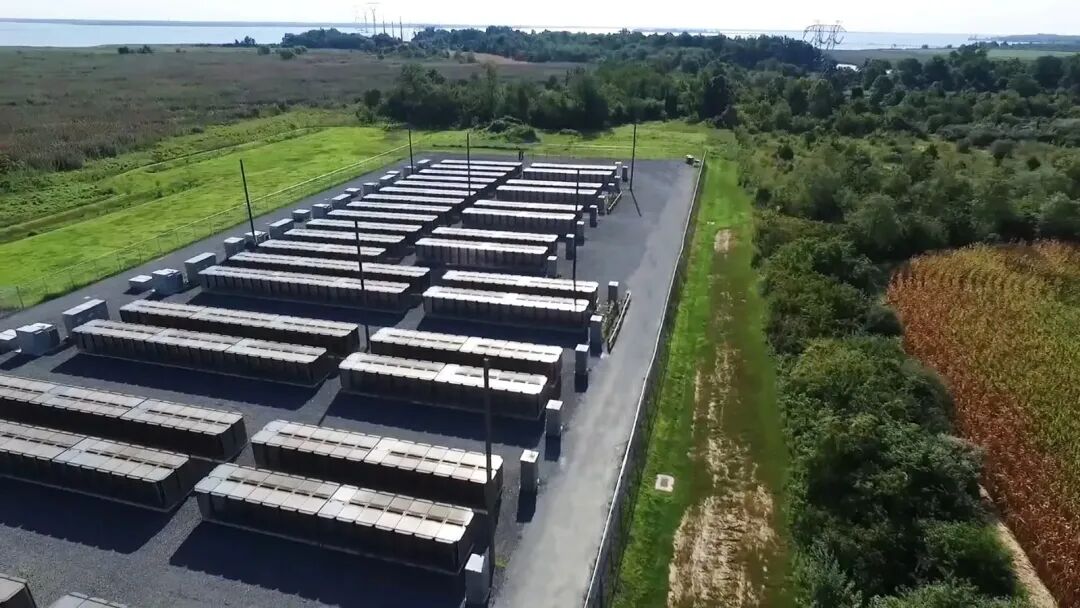
Under this judgment, the logic of shorting the chip sector is not that AI will fail, but that chip valuations have already reflected expectations in advance, and value is migrating towards more downstream physical infrastructure.
Buying puts on SMH and NVIDIA is a hedge against potential valuation corrections on the chip side; continuing to hold CoreWeave, mining transformation targets, and Bloom Energy is a bet on the power and data center capacity that truly form bottlenecks.
CoreWeave's actions also confirm this thinking: call options were cut from 10.81 million to 1.81 million, while common stocks increased from 6.1 million shares to 7.18 million shares.
The direction hasn’t changed; it’s just that high-leverage options positions were exchanged for common stocks, reducing the volatility impact on the portfolio.
From $225 million to $13.677 billion
This fund was established in September 2024, with its first 13F filing revealing an exposure of about $225 million in US stocks. By the end of 2025, that number grew to $5.52 billion; as of March 31, 2026, the nominal exposure reached $13.677 billion.
In the first half of 2025, the fund achieved a return of about 47%, while the S&P 500 only rose about 6% in the same period, outperforming the S&P 500 by about 12.5 percentage points for the entire year.
Before founding the fund, this 24-year-old German published a 165-page report titled "Situational Awareness: The Decade Ahead," outlining the judgment that AGI timelines, power, and computational infrastructure will become the biggest bottlenecks. Early funding for the fund came from Nat Friedman, Daniel Gross, and Stripe co-founders Patrick and John Collison.
The significance of this quarterly report is that it translates a judgment that previously remained more in the narrative realm into a specific position structure.
The chip sector is merely the entry point for expansion; what truly determines the speed of AI expansion is whether electricity can be connected in the real world, whether data centers can be built well, and whether grid access approvals can be obtained within five years.
If this judgment holds, the keywords for AI investment in the past two years have been GPUs and models; in the coming years, they may be power, land, and construction time.
免责声明:本文章仅代表作者个人观点,不代表本平台的立场和观点。本文章仅供信息分享,不构成对任何人的任何投资建议。用户与作者之间的任何争议,与本平台无关。如网页中刊载的文章或图片涉及侵权,请提供相关的权利证明和身份证明发送邮件到support@aicoin.com,本平台相关工作人员将会进行核查。


