Original | Odaily Planet Daily (@OdailyChina)
Author | Asher (@Asher_0210)

In recent days, the rapid rise of BTC and ETH has reignited the secondary altcoins, and DeFi has also become one of the most active tracks in this round of rebound, with many well-known projects experiencing considerable price increases in a short time.
However, compared to blindly "chasing the rise," DeFi actually has a more intuitive fundamental indicator - income.
DeFi protocols such as lending, spot trading, and liquidity staking essentially rely on real users and continuous capital utilization to generate income. Market conditions will fluctuate, and narratives will rotate, but the ability to make money in the long term at least indicates that there is still real demand for the protocol.
So, currently in the DeFi track, which high-income projects are worth finding the right opportunity to invest in?
(The income data for the projects in this article comes from Tokenomist and DefiLlama, uniformly measured by actual protocol income after deducting allocations to LPs and other supply-side participants.)
DEX
Uniswap (UNI)
In the past 30 days, Uniswap has generated $7.18 million in income, making it the most profitable DEX project.
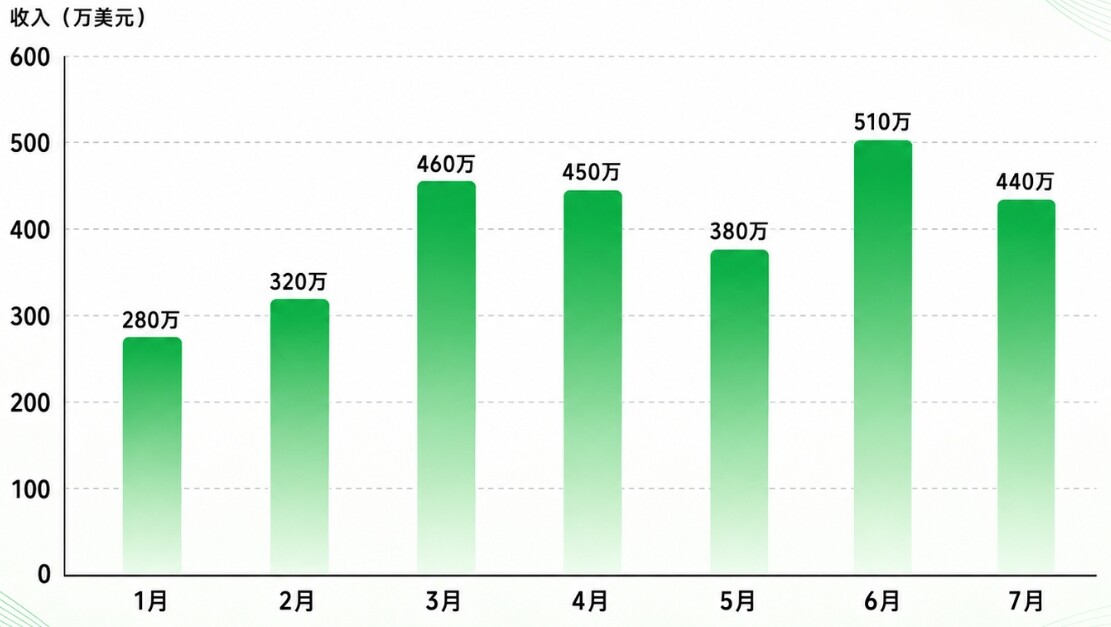
From the monthly data perspective, Uniswap's income from January to July this year was $2.8 million, $3.2 million, $4.6 million, $4.5 million, $3.8 million, $5.1 million, and $4.4 million, totaling about $28.4 million over the first seven months.
Uniswap's income comes from the Protocol Fees collected during transactions. Currently, the protocol fee has been enabled in all pools of Uniswap v2 and some pools of v3, and it is gradually expanding from Ethereum to multiple chains such as Arbitrum, Base, OP Mainnet, BNB Chain, and Polygon. Since the UNIfication proposal was implemented at the end of 2025, Uniswap officially activated the Protocol Fee and will use the income for UNI destruction (for more related content, read: After the launch of Uniswap's fee switch: Can this DeFi transformation's "report card" hold up?). The protocol fee will go into TokenJar, and external participants wishing to withdraw accumulated assets need to simultaneously destroy the corresponding amount of UNI.
Solana Ecosystem: Jupiter (JUP), Meteora (MET), Raydium (RAY)
Compared to other public chains, Solana's on-chain trading ecosystem is more decentralized. In addition to traditional AMMs, various models such as trading aggregators and DLMM have also generated significant income, with Jupiter, Meteora, and Raydium being the three DEX projects with the highest protocol income in the Solana ecosystem over the past 30 days.
First, Jupiter's income in the last 30 days was $4.69 million.
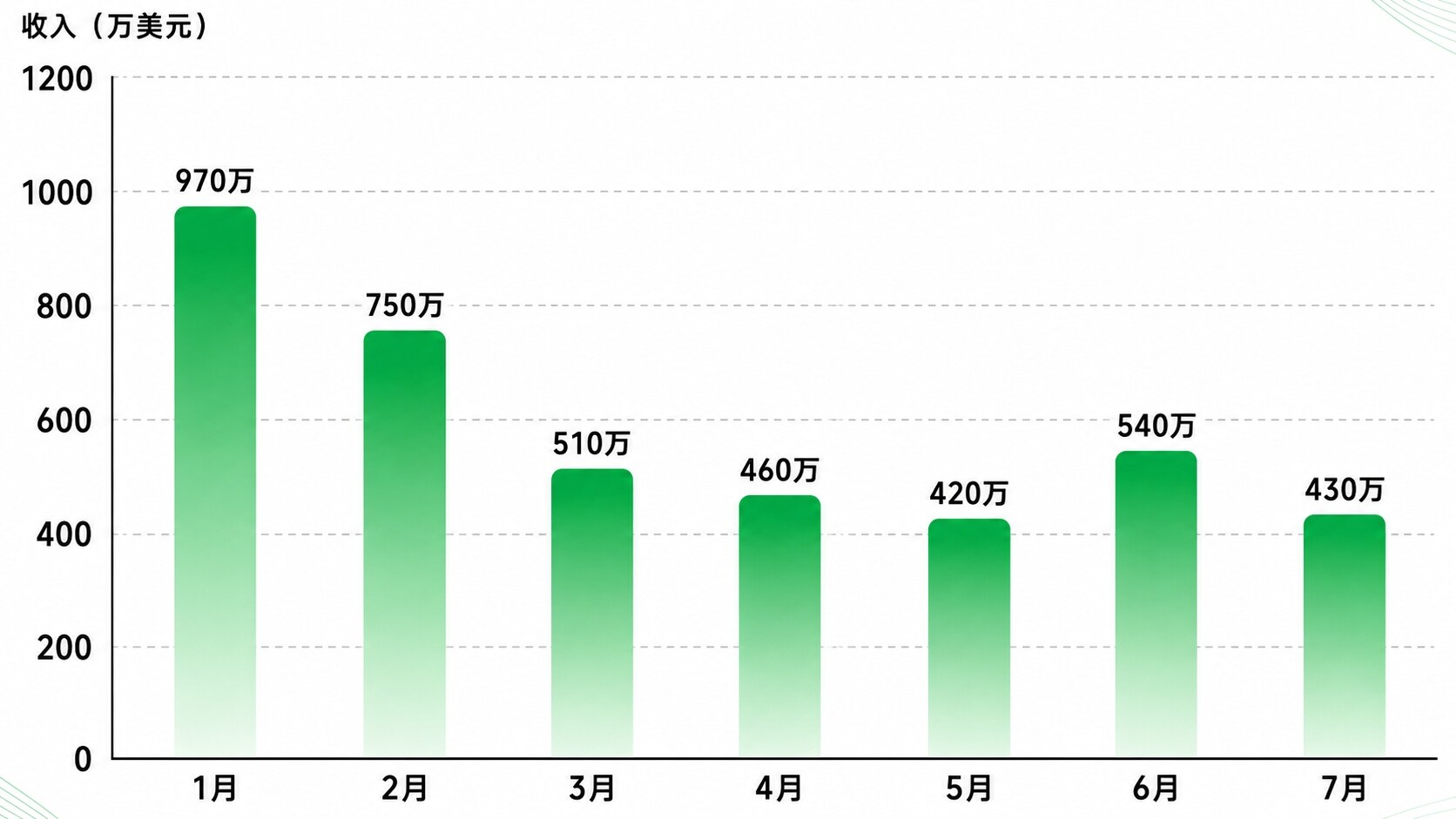
From the monthly data, Jupiter's income from January to July this year was $9.7 million, $7.5 million, $5.1 million, $4.6 million, $4.2 million, $5.4 million, and $4.3 million, totaling about $40.8 million over the first seven months.
Jupiter uses 50% of its on-chain income to buy back JUP, with funds continuously purchased from the open market through Litterbox Trust. Since the buyback started in February 2025, over 260 million JUP have been repurchased. By the end of 2025, approximately 134 million JUP (about 4% of the circulating supply) had been destroyed, with the destruction proposal passing with an 86% community support rate.
Second, Meteora's income in the last 30 days was $1.67 million.
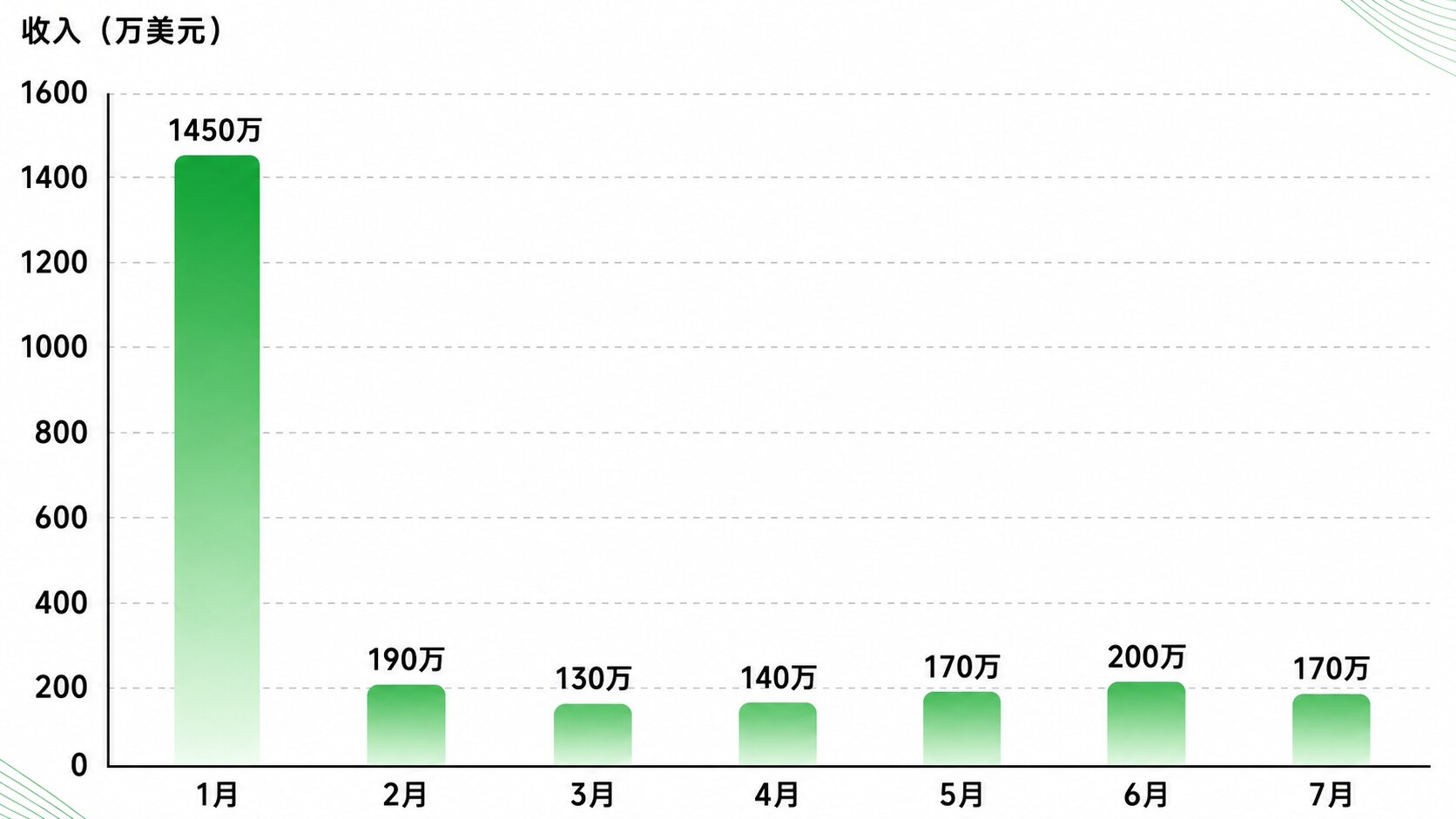
From the monthly data, Meteora’s income from January to July this year was $14.5 million (driven by the issuance of new Solana tokens and a surge in meme trading), $1.9 million, $1.3 million, $1.4 million, $1.7 million, $2.0 million, and $1.7 million, totaling about $24.5 million over the first seven months.
In the first quarter of 2026, Meteora spent $1 million to repurchase about 7 million MET at an average price of $0.1427. As of June 30, 2026, approximately 336 million MET had been repurchased, valued at about $45.75 million.
Third, Raydium's income in the last 30 days was $1.13 million.
From the monthly data, Raydium’s income from January to July this year was $2.6 million, $1.8 million, $1.3 million, $790 thousand, $1.1 million, $720 thousand, and $520 thousand, totaling about $8.83 million over the first seven months.
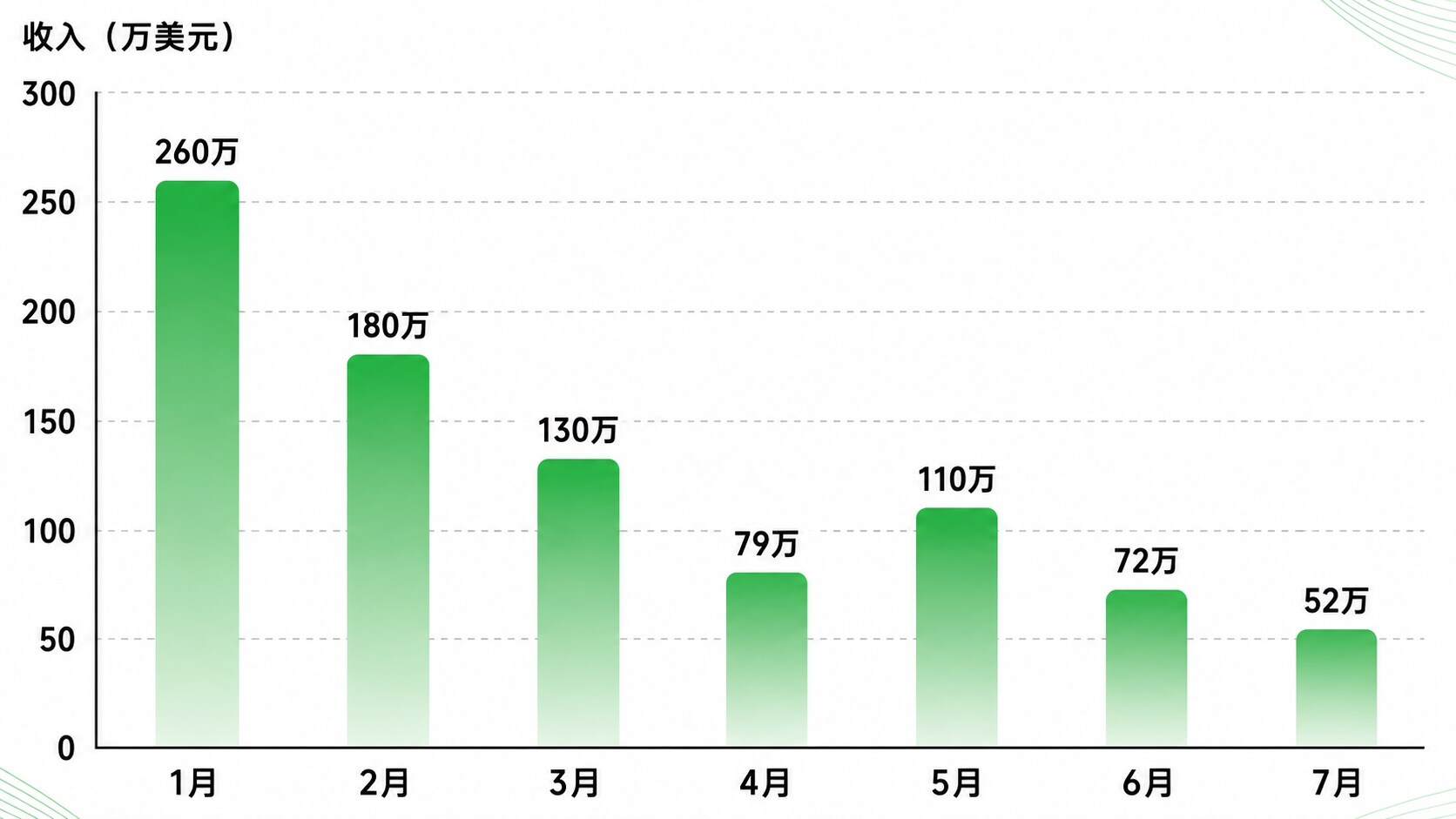
Raydium uses 12% of the transaction fees for RAY buybacks; currently, Raydium's total funds used for RAY buybacks have reached about $200 million, with approximately $3.31 million and $1.72 million invested in buybacks in the first and second quarters of 2026, respectively.
BNB Chain Ecosystem: PancakeSwap (CAKE)
PancakeSwap's income in the last 30 days was $5.16 million. From the quarterly data, PancakeSwap’s income for the first and second quarters this year was $14.03 million and $10.63 million, totaling about $24.66 million in the first half of the year.
PancakeSwap's advantage lies in its long-term dominance as a core trading entry on BNB Chain and its expansion to multiple chains such as Base, Solana, and Ethereum. Additionally, a portion of PancakeSwap's trading fees is used for buybacks and destruction of CAKE. In July 2026, PancakeSwap destroyed approximately 1.94 million CAKE; after deducting the 674 thousand CAKE newly issued during the same period, a net reduction of about 1.27 million CAKE was achieved, with the total supply experiencing net deflation for 35 consecutive months.
Base Ecosystem: Aerodrome (AERO)
Aerodrome's income in the last 30 days was $4.11 million. From the quarterly data, Aerodrome's income for the first and second quarters this year was $18.31 million and $16.10 million, totaling about $34.41 million in the first half of the year.
Compared to the previous DEXs, Aerodrome does not rely on buybacks to reduce AERO but directly distributes the income to the veAERO holders. Users lock AERO to obtain veAERO and participate in voting, allowing them to receive transaction fees generated from the respective funds and external incentives; according to the official mechanism, the protocol-generated Exchange Revenue will be 100% distributed to the veAERO holders.
Lending
World Liberty Financial (WLFI)
World Liberty Financial's income in the last 30 days was $10.47 million. From the quarterly data, World Liberty Financial's income for the first and second quarters this year was $32.82 million and $34.45 million, totaling about $67.27 million in the first half of the year.
Data shows that WLFI holders' net income is still 0. Although a proposal to use 100% of the fees generated from the protocol's own liquidity (POL) for buying back and destroying WLFI passed with a support rate of 99.84%, this buyback only covers the POL fees and not all of the above protocol income.
Aave (AAVE)
Aave's income in the last 30 days was $4.12 million. From the quarterly data, Aave's income for the first and second quarters this year was $25.37 million and $20.17 million, totaling about $45.54 million in the first half of the year.
Since launching the buyback plan in April 2025, Aave had repurchased over 205,000 AAVE by March 2026, accounting for about 1.28% of the total supply. Following the rsETH cross-chain bridge attack incident in April 2026, Aave DAO suspended the buybacks starting from April 19.
ETH Staking
ether.fi (ETHFI)
ether.fi's income in the last 30 days was $3.03 million. From the monthly data, ether.fi's income from January to July this year was $4.4 million, $3.1 million, $3.5 million, $3.6 million, $3.6 million, $2.8 million, and $3.0 million, totaling about $24 million over the first seven months.
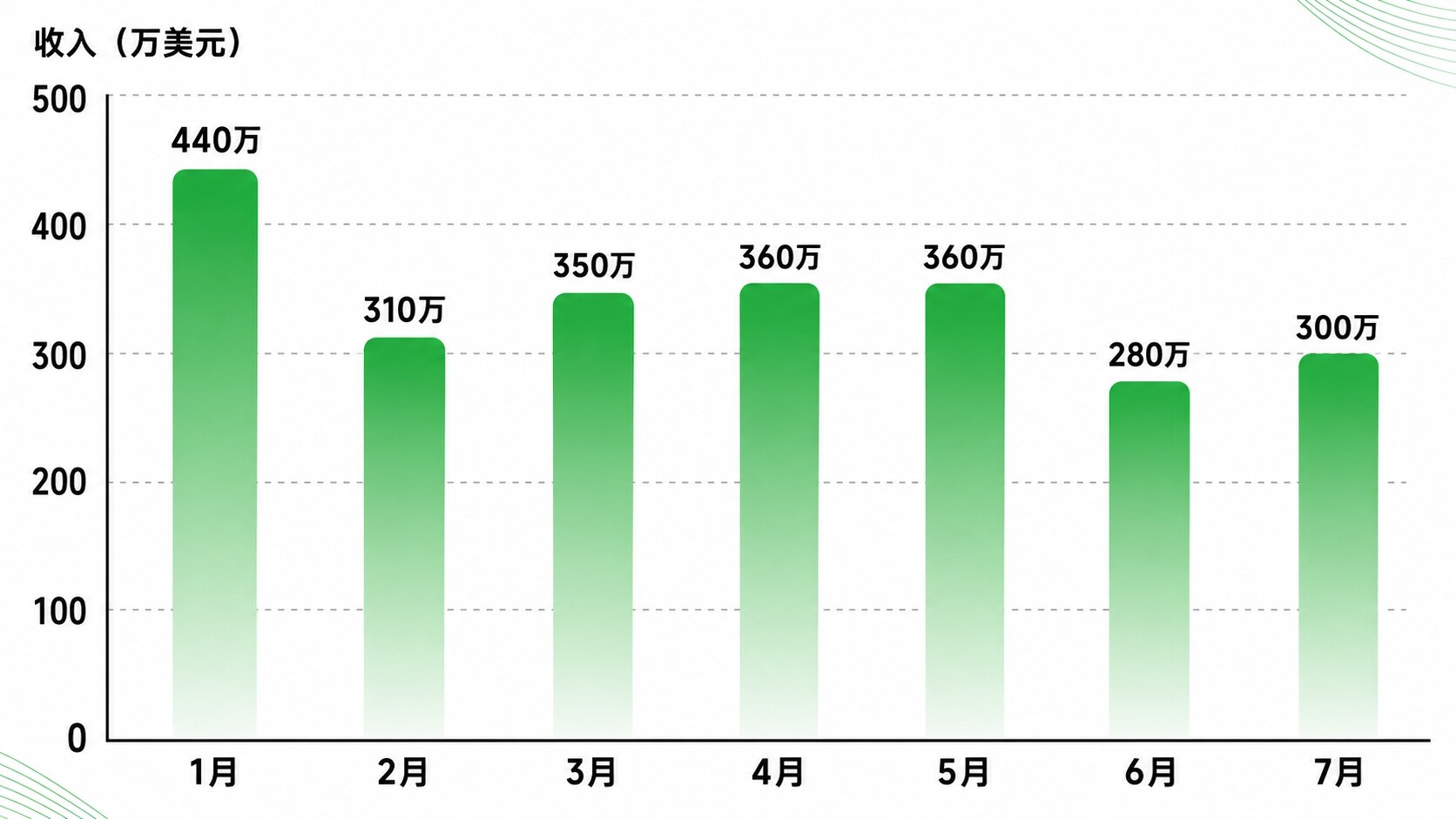
Currently, 100% of the income generated from eETH withdrawals is used for buying back ETHFI; in addition, businesses such as Stake, Liquid, and Cash will also monthly allocate part of the protocol income for buybacks. The ETHFI repurchased is not destroyed but allocated to sETHFI holders, returning the protocol income to ETHFI staking users.
Lido (LDO)
Lido's income in the last 30 days was $2.31 million. From the monthly data, Lido's income from January to July this year was $4.0 million, $2.5 million, $2.8 million, $2.9 million, $2.7 million, $2.1 million, and $2.2 million, totaling about $19.2 million over the first seven months.
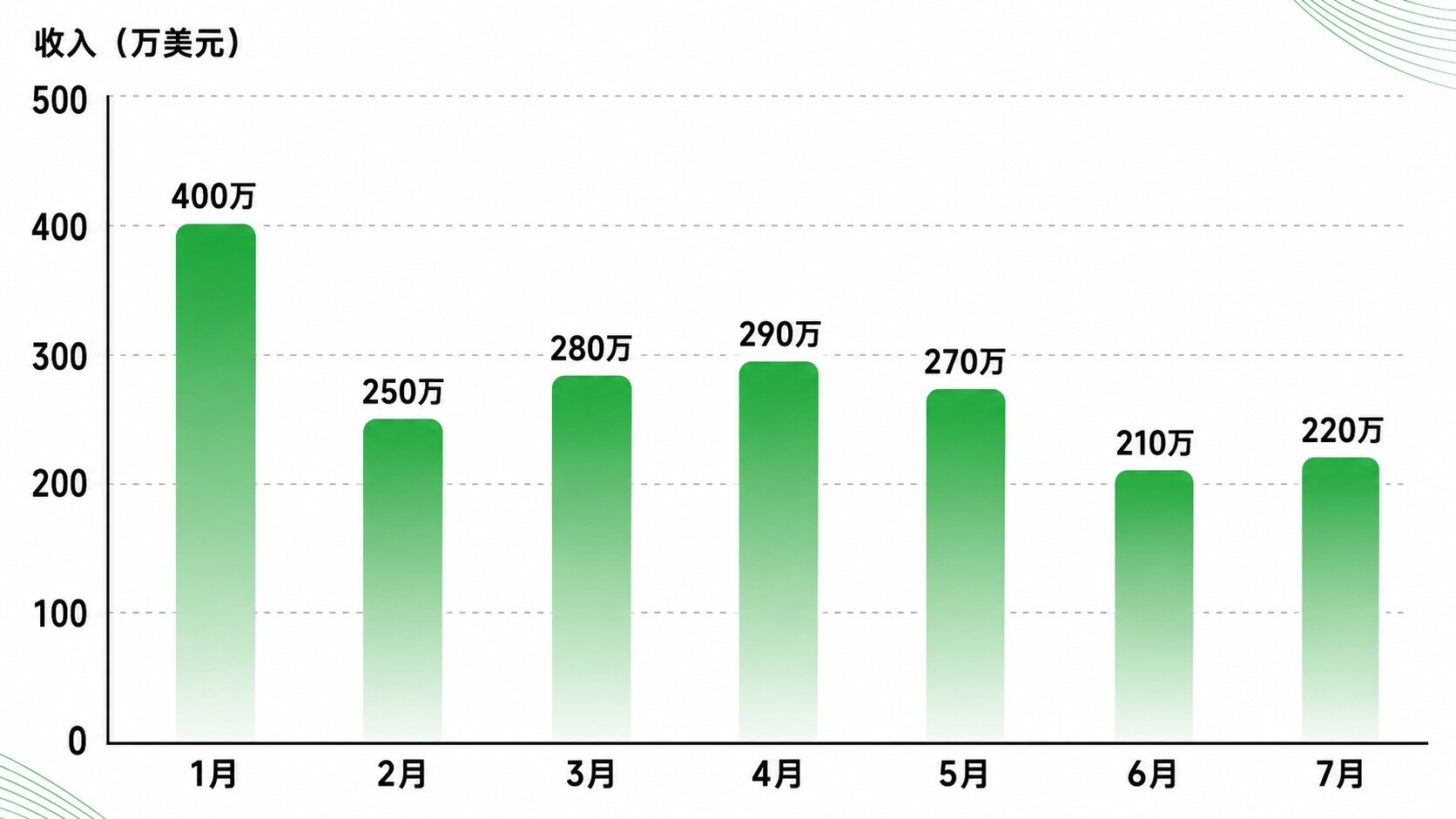
On August 14, Lido's automatic buyback mechanism NEST was officially enabled. When the protocol's annual income exceeds $40 million, 50% of the excess will be used to automatically buy back LDO through CoW Swap, with a daily buyback limit of $50,000 and a rolling annual limit of $10 million.
免责声明:本文章仅代表作者个人观点,不代表本平台的立场和观点。本文章仅供信息分享,不构成对任何人的任何投资建议。用户与作者之间的任何争议,与本平台无关。如网页中刊载的文章或图片涉及侵权,请提供相关的权利证明和身份证明发送邮件到support@aicoin.com,本平台相关工作人员将会进行核查。