Sui Foundation launches Hashi testnet: How native Bitcoin collateral primitives activate idle BTC.
Written by: Grok
Assistance: AididiaoJP, Foresight News
On July 22, Hashi testnet officially went live. This native Bitcoin collateral primitive built by Mysten Labs and launched by the Sui Foundation allows users to lock BTC in the Bitcoin network and obtain programmable collateral on Sui. Over 25 institutions and protocols, including BitGo, Ledger, Cumberland, and Wave Digital Assets, have simultaneously entered the testing phase, and community expectations for airdrops have rapidly increased.
1. Who is involved
The technical side of Hashi is Mysten Labs, the original contribution team of Sui. The Sui Foundation is responsible for publishing, ecological coordination, and institutional connections.
On March 19 this year, the foundation publicly introduced Hashi for the first time, positioning it as a decentralized Bitcoin collateral primitive on Sui. Four months later, the testnet launches, a normal pace.
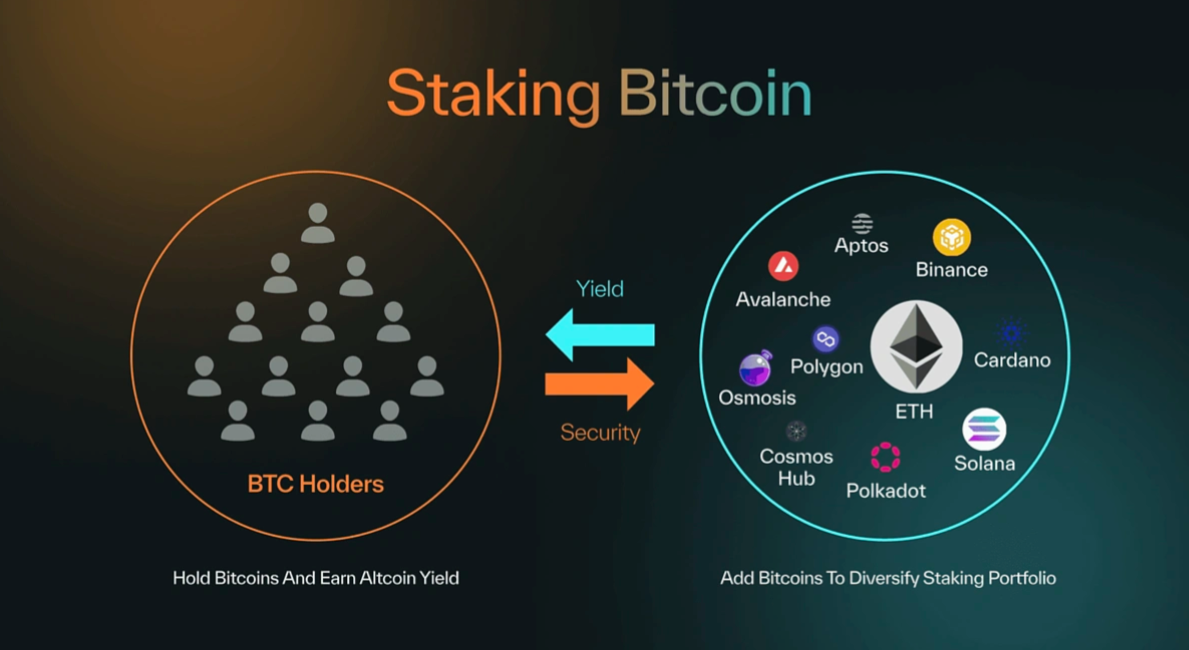
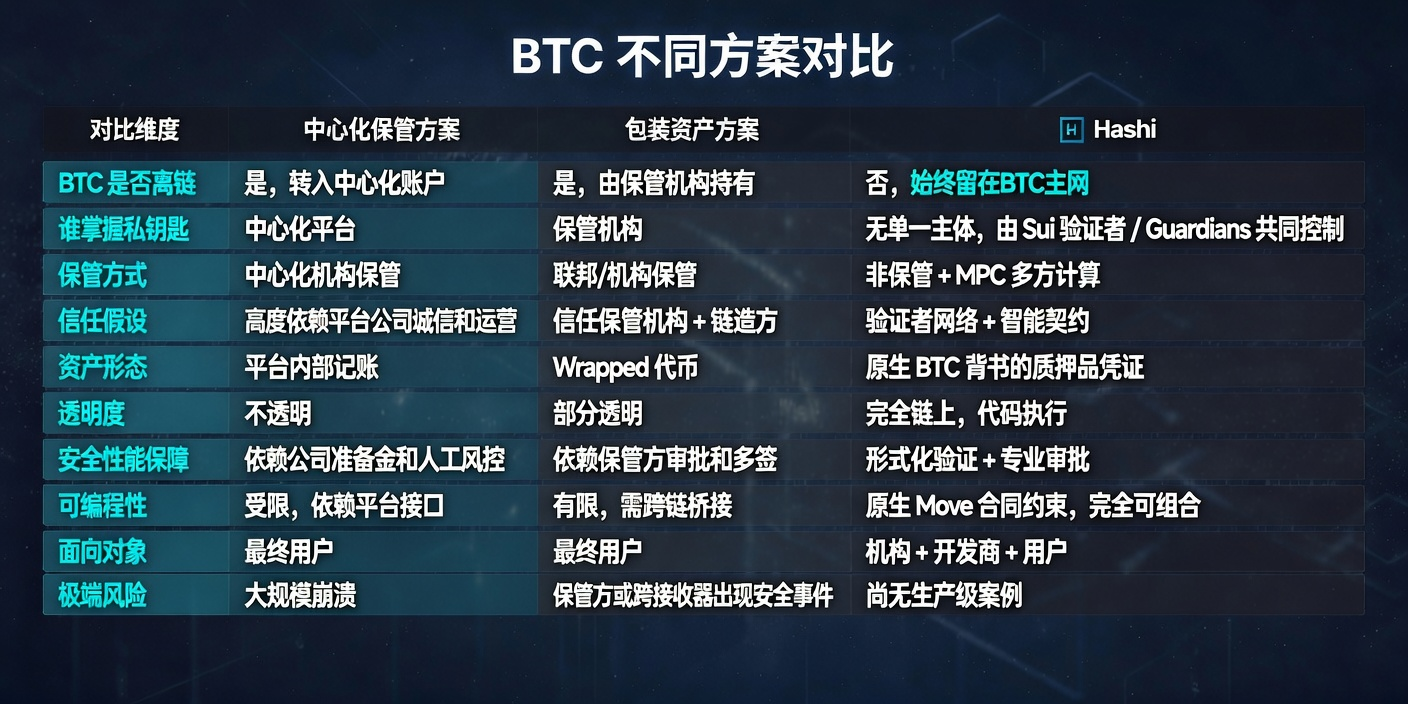
The officials provided a set of data: the market cap of Bitcoin exceeds $1 trillion, and the proportion entering DeFi has long been below 1%. Hashi's goal is to tap into this idle fund. It does not take the route of wrapped assets, does not introduce centralized custody, and relies on Sui validators and smart contracts to directly complete collateralization and release.
The official background sets the community's expectations for an airdrop high. During the Devnet phase, some users have brushed interaction records, and the threshold for the testnet is even lower. It should be clarified that the officials have not released any token plans or airdrop rules, and all expectations arise from the past project habits in the Sui ecosystem and Hashi's institutional cooperation lineup.
2. How does Hashi operate?
Hashi's design logic: BTC stays on the Bitcoin network, obtaining programmability through Sui smart contracts.
Users will send native BTC to the system-generated personalized 2-of-2 multisig address. Sui validators monitor the Bitcoin network, and after the required number of confirmations, they mint hBTC 1:1 on Sui. hBTC can directly enter Sui's DeFi protocols as collateral, with the LTV set by the user, receiving real-time oracles, borrowing stablecoins or other assets. After repayment, MPC signatures combined with the Guardian Layer complete the release.
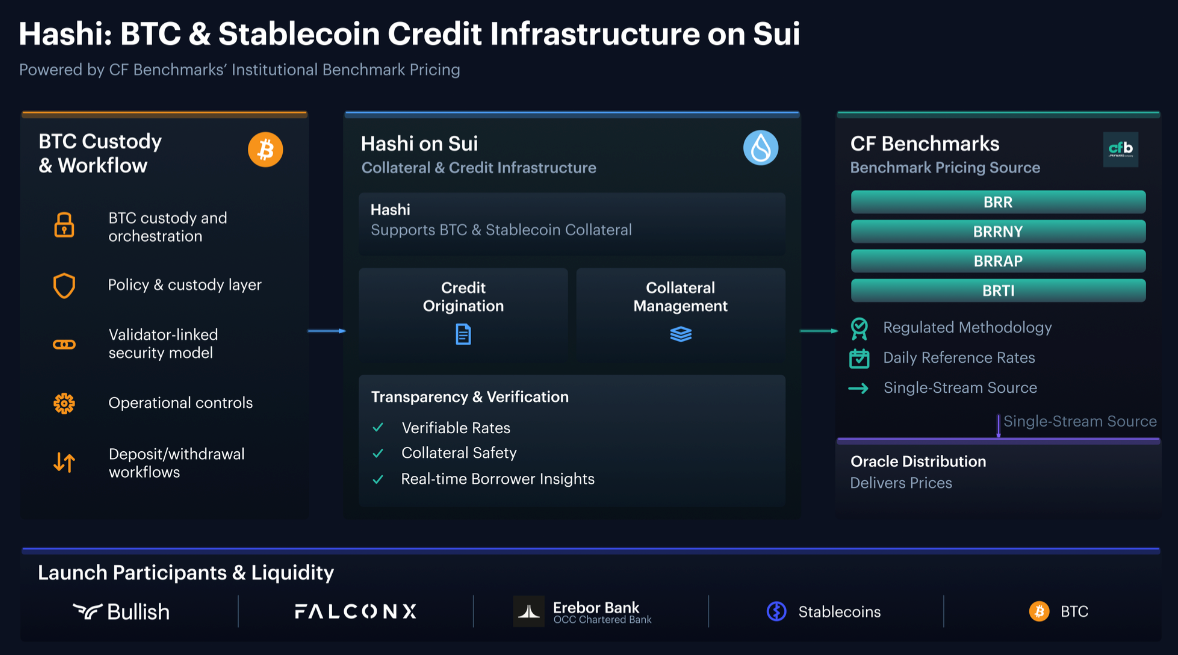
The Guardian Layer adds independent guardian signatures on top of the validators' MPC signatures, designed specifically for institutional funds. The trust model relies on the set of Sui validators and formally verified Move contracts. Bitcoin never leaves the original chain, eliminating the need for custodians.
3. Application scenarios and competitive products
Holders can lend liquidity without selling BTC, engaging in yield strategies, turnover, and trading. Institutions focus on Bitcoin collateral bond issuance and automated vaults. In the Sui ecosystem, Wave Digital Assets is an important early institutional partner for Hashi, and additionally, Wave Digital Assets has committed to prioritize yield products, with Sui native protocols such as Navi, Suilend, and Bluefin testing integration.
Regarding competitive products, Babylon has issued the BABY token, with a total supply of about 10 billion, current prices around $0.012-0.02, with approximately 4 billion in circulation, and continuous unlocking ahead, FDV at $100 million. Lombard's BARD token is currently priced at $0.13-0.14, having reached approximately $1.70 in March this year, retracting over 90%, with LBTC serving as a liquid staking certificate assuming the main income function. Most BTCFi projects rely heavily on token or points incentives.
Graphic: grok
Hashi currently has no tokens, positioning as a protocol primitive, with income from borrowing rate spreads.
4. Current state of BTCFi and airdrop expectations
In the Bitcoin ecosystem, the vast majority of BTC remains idle. The penetration rate of BTCFi protocols is about 0.5%-0.8%, and including wrapped assets and staking plans, it is about this much. This year, DeFi TVL has declined from around $115 billion at the beginning of the year to approximately $70 billion, a drop of nearly 40%, with greater volatility in the BTCFi subsector.
In this context, institutions are still interested in native solutions. The issues of custody and transparency in wrapping BTC have long existed, and fund providers have begun to seek solutions that do not leave the original chain. The launch of the Hashi testnet at this time provides a verifiable option.
Airdrop expectations arise from two directions: first, the participation habits of Sui ecosystem projects, where testnet interactions are often seen as potential weight; second, Hashi's official identity and institutional lineup, with over 25 partners testing simultaneously, covering custody, liquidity, and DeFi protocols. It is reiterated that the officials have not released any token plans or airdrop rules, and current discussions are based on market projections.

The Sui Foundation is deeply involved. From the public introduction in March to the launch on July 22, announcements, partner coordination, and technical document releases have all been led by the foundation. Hashi is positioned as ecological infrastructure rather than an independent third-party project.
5. How can community users participate?
During the testnet phase, the complete process for depositing, minting, collateralizing, and withdrawing is now open, entry: testnet.hashi.sui.io.
Preparatory requirements
- Wallet: Use a Sui-compatible wallet (such as Sui Wallet, Nightly, etc.) and ensure you have backed up your mnemonic phrase
- Network: A stable network environment
- Record: Keep screenshots of the entire operation process, including wallet addresses, transaction IDs, and deposit confirmation records
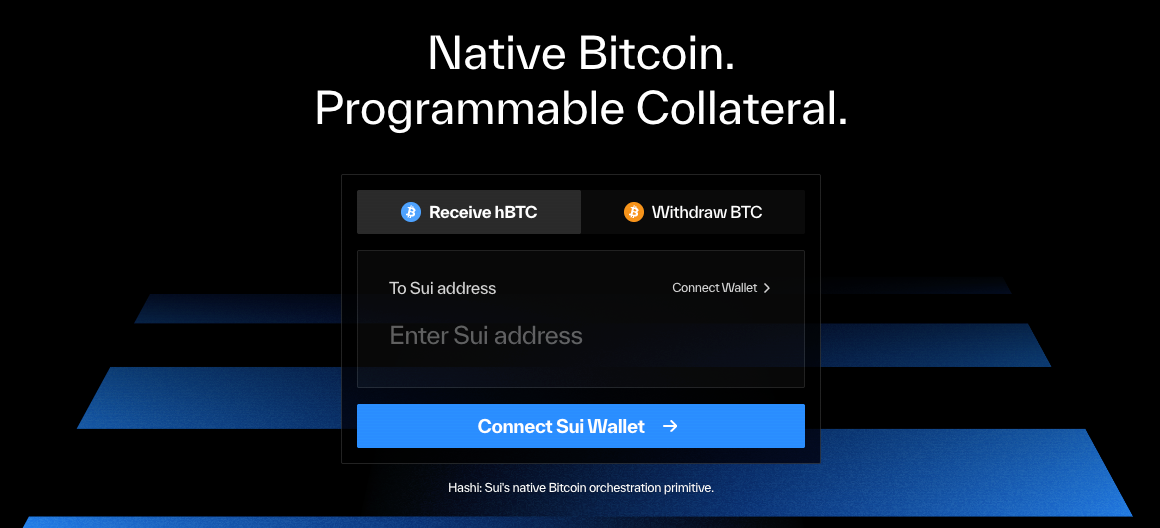
Step 1: Enter the test net and connect the wallet
- Visit the Hashi test web page
- Click the wallet connection button at the top right of the page
- Select and connect your Sui-compatible wallet, confirm authorization
Step 2: Generate a BTC deposit address and receive test coins
- Click "View BTC Deposit Address" on the page and copy the generated BTC deposit address
- Click the BTC testnet4 link at the top of the page to go to the Bitcoin testnet faucet
- You can directly visit
- Paste the copied address into the test web page and click to receive test BTC (daily limits apply)
- Copy the transaction hash (Transaction ID) from the page—this ID is the key proof for subsequent deposit confirmation
Step 3: Submit deposit confirmation
- Return to the Hashi main page and click "I've sent the BTC"
- Paste the transaction ID obtained in Step 2 into the pop-up window
- Click Submit to confirm the deposit
Community users report that the whole process takes about 10 to 30 minutes, mainly getting stuck on Bitcoin confirmation speed. The community suggests depositing and withdrawing more frequently, and to use the collateralization function rather than just depositing without withdrawing. Keep your Sui address and Bitcoin address safe for potential qualification checks.
The officials have not promised any airdrops; participation mainly aims at understanding the mechanism and leaving an on-chain record. Keep an eye on Hashi's official Twitter and Sui Foundation announcements for mainnet and follow-up rules.
Summary
The launch of the Hashi testnet adds an experimental entry for native Bitcoin collateral to the Sui ecosystem. It aims to establish a more direct channel between idle BTC and on-chain finance, with institutions like the Guardian Layer incorporated into the design. Currently, it is solely in the testing phase, with real funds and mainnet timing yet to be determined. Discussions about airdrops are heated, but the officials have not yet provided any related rules.
References
免责声明:本文章仅代表作者个人观点,不代表本平台的立场和观点。本文章仅供信息分享,不构成对任何人的任何投资建议。用户与作者之间的任何争议,与本平台无关。如网页中刊载的文章或图片涉及侵权,请提供相关的权利证明和身份证明发送邮件到support@aicoin.com,本平台相关工作人员将会进行核查。


