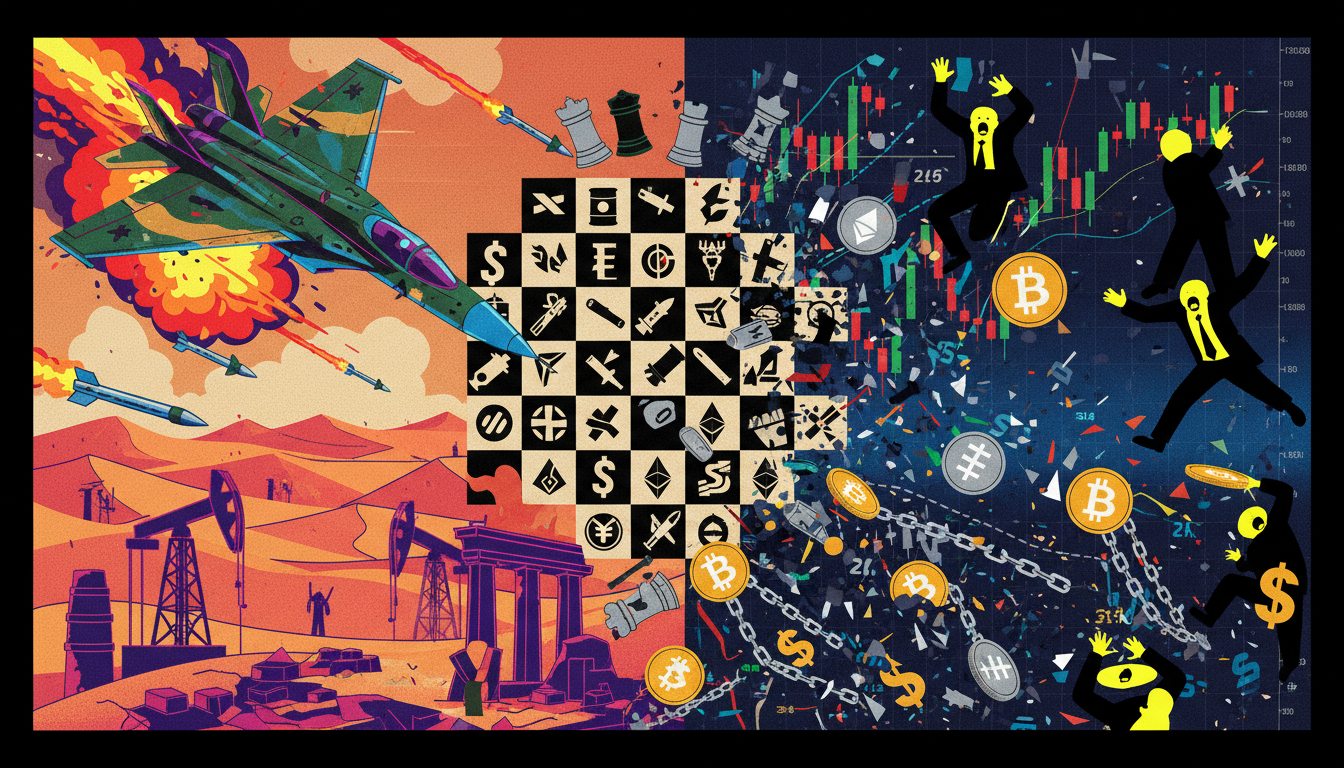
On April 3, 2026, on-chain detective ZachXBT released a latest investigation report, directly targeting Circle for its slow freezing actions in multiple security incidents. He reported that the involved USDC had accumulated an amount exceeding $420 million (according to a single source), covering a series of attack incidents since 2022, including the hack of Drift Protocol in April this year. The sharp point of the report is not the hacker attack itself but rather: as funds shuttle rapidly on-chain, how much responsibility does Circle, as a centralized issuer, bear, and when and by what standards should the "freeze" button be pressed. Around this point, the tug-of-war between DeFi's "code freedom" and centralized compliance obligations has been fully laid out—especially the several hours of freezing window, which has been accused of amplifying what could have been contained losses into nine-digit ecological trauma.
Six Hours to Escape the Scene: $232 million of Uninterrupted USDC
In this round of controversy, the Drift Protocol attack became a focal sample. According to public information, the total losses from this security incident are estimated to be around $280 million, and after the attacker completed the attack at the protocol layer, they quickly converted the obtained assets into USDC and began cross-chain transfers. ZachXBT's tracking shows that approximately $232 million USDC was migrated in just 6 hours through CCTP cross-chain channels (according to a single source), almost a demonstration of "real-time escaping from the scene."
The core of the controversy does not lie in technical details but rather in what happened during these 6 hours—more accurately, what did not happen. During this time window, USDC on the relevant addresses remained freely transferable, and no signs of freezing from Circle appeared on-chain. By the time the hacker funds had been dispersed across multiple chains and addresses, any accountability or tracking became exponentially more difficult. It is this clearly quantifiable "window period" that ZachXBT and some community members used to question: in the context of being able to quickly identify suspicious funds, is Circle's risk control and compliance execution evidently lagging behind the speed of on-chain risk evolution?
ZachXBT's report immediately triggered a chain reaction on social media. Project parties, developers, and ordinary users repeatedly asked the same question: when hacker funds amounting to hundreds of millions are moved through standard cross-chain channels, why was a USDC issuer constrained by strict US regulations unable to respond within hours? This seemingly "delayed" freeze is seen as direct evidence of risk control failure and has pushed Circle into the intersection of regulatory, industry, and community pressures.
From Cetus to SwapNet: "Pattern Repetition" in Freezing Rhythm
The Drift incident is not isolated. According to research briefs, since 2022, accusations of Circle's slow freezing actions have appeared in multiple incidents: from the Cetus Protocol incident in May 2025 to the SwapNet attack in January 2026, and now to Drift, while the targets and amounts named have changed, the narrative axis is highly similar.
After reassembling these cases, the community presented a disturbing "fixed rhythm": an attack occurs, funds are extracted from the victim protocol, a multi-chain migration is completed in a short period, and only after that are there delayed updates to the USDC blacklist and freezing actions. Similar questions have already emerged in events like Cetus and SwapNet, where the previous discussions were not the highest; it was just that at that time, the scale of the incident and attention were insufficient to provoke broader debates. Now, under the magnifying glass of Drift's $280 million loss and $232 million USDC cross-chain funds, this pattern has been amplified once again, even being viewed as a chain of evidence for "systemic compliance execution issues."
This series of examples provides a new perspective on the narrative: the problem is not merely about "bad luck" or "communication delays" in a single event but resembles a stable lagging link in Circle's actual execution of freezing and blacklist management. This lag may stem from multiple factors such as internal compliance processes, external regulatory requirements, and information flow mechanisms, but in the absence of sufficient transparency, market participants see only the results—the hacker funds always manage to complete critical migrations within important time windows, while freezing tends to occur only after "funds have scattered."
Someone Acted First: A Contrast with Tether and Paxos
As the debate further intensified, voices began to appear on social media making horizontal comparisons. Some views pointed out that in several historical cases, Tether and Paxos took freezing actions noticeably faster than Circle, especially when some attack funds had just completed large on-chain transfers, making records of USDT or other assets entering the blacklist visible (according to a single source).
These statements quickly spread in the community, forming a comparative diagram: several centralized issuers, also possessing technical freezing authority, displayed starkly different stances on the two questions of "when to act" and "how quickly to act." Some are considered more inclined to "intercept first even at the risk of collateral damage," prioritizing the contraction of the hacker's arbitrage window; others are seen as leaning towards a more conservative compliance route, not easily taking action without sufficiently complete external requests and evidence chains. This difference directly affects the time hackers can exploit for arbitrage and the proportion of losses that victims can ultimately recover.
It is essential to emphasize that such comparisons are mainly based on public on-chain observations and community gatherings, not derived from the official statistics or authoritative comparisons of the issuers. In other words, the conclusions surrounding "who is faster, who is more cautious" still carry uncertainty. However, even on a perceptual level, after multiple incidents, the market has begun to evaluate different issuers' risk attitudes based on "who presses the freeze button first." This public discourse realistically compels Circle to directly respond to a question: given that they possess the same freezing authority, why do they always appear to be the last to act?
The Tug-of-War Between Compliance Gates and Decentralized Freedom
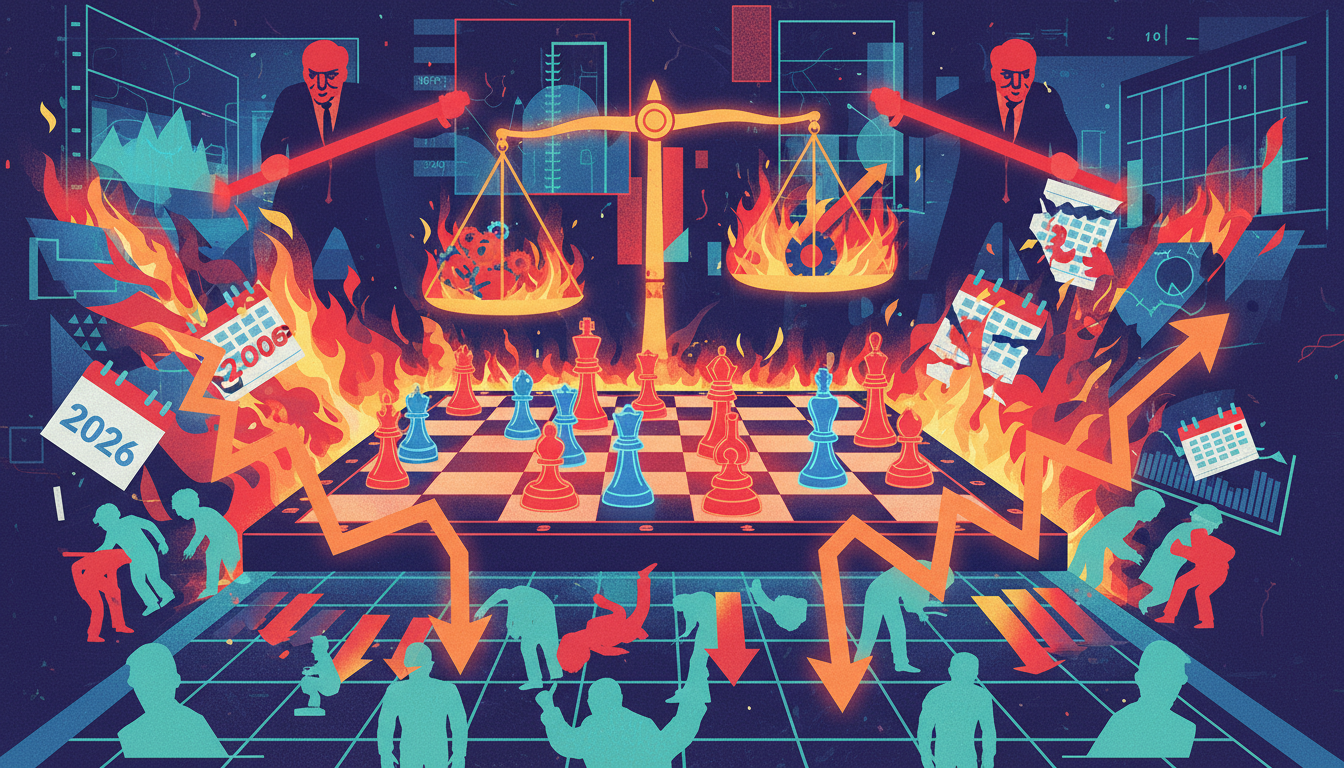
If we zoom out, the controversy over Circle's delays is not simply a matter of "lack of execution" but rather resembles a structural tug-of-war between compliance gates and decentralized freedom. As an issuer under close scrutiny from US regulators, Circle faces multiple constraints in each freezing operation: considerations must include whether adequate legal or enforcement basis exists, whether it touches upon sanctions and anti-money laundering frameworks, and whether there is a risk of erroneously affecting legitimate users and counterparties. In this high-pressure environment, "freezing one step more" may imply potential legal liabilities, while "freezing one step less" could be interpreted as allowing crime from the industry's perspective.
This creates a classic dilemma: freezing too quickly may result in freezing innocent addresses without clarifying facts, disrupting normal liquidity, and triggering legal and public disputes; freezing too slowly, nearly equates to granting hackers a temporary tax-exempt window, transforming hundreds of millions in funds from a single protocol issue into a cross-chain, multi-protocol, or even systemic risk. This paradox is exemplified in the 6-hour window of the Drift incident: once funds have escaped the original chain via CCTP, any subsequent actions turn into "remediation after the event."
In stark contrast are those decentralized assets that cannot be frozen. For these assets, the protocol layer lacks a "blacklist switch," and after an attack occurs, the only remedy is community coordination, protocol rollback, or secondary governance voting. This design is viewed by many as the bottom line of "non-interference" in the crypto world. In contrast, assets like USDC, which can be frozen by the issuer, inherently carry another set of systemic logic: while you enjoy the "sense of security" that comes with traceability and regulation, you must also accept that a centralized entity holds the freezing power under extreme circumstances.
Thus, DeFi protocols, end users, and issuers inevitably find themselves on the "safety vs freedom" tug-of-line. Protocol parties hope to get freezing support promptly when attacks occur; users worry about their funds being unintentionally affected under non-transparent standards; issuers continuously weigh between regulatory and industry expectations. The Drift incident merely provided a highly impactful sample that highlights the differences among all parties in this long-term game.
Amplified Nine-Digit Losses: Secondary Damage to Ecological Trust
In ZachXBT's statement, "Circle's compliance decisions caused nine-digit scale losses to the ecosystem" quickly gained widespread reference. The term "nine digits" here refers not only to the direct loss of around $280 million in a single incident like Drift but also includes further amplified indirect damage under the cross-chain and multi-protocol interactions. The slow freezing led to risks that could have been controlled within a single protocol or chain spilling over into a broader DeFi ecosystem through cross-chain funds exceeding $232 million USDC.
When attackers have enough time to split, mix, stake, or even reuse funds in other protocols, every project and user receiving this part of "polluted funds" may face compliance uncertainties afterward. Certain LP pools on a chain, a lending market, or even seemingly unrelated applications may inadvertently get swept into this. This evolution from single-point attacks to systemic damage is largely realized through the amplification effect of the freezing window.
One of the consequences is that developers and project parties begin to reassess their reliance on USDC. Some teams have started discussing whether to shift towards a multi-asset collateral, multi-issuer coexistence structure to reduce dependence on a single centralized asset for compliance; others propose proactively "reducing USDC exposure" in protocol design, using limits, insurance pools, or permission controls to isolate potential impacts. At the same time, USDC, once viewed as a "safety anchor," has begun to experience trust depreciation in the eyes of some institutions and ordinary users: they are no longer just asking "is USDC safe enough," but further questioning "when something goes wrong, can it do the right thing at the right time?"
Trust migration may not be immediately reflected in on-chain data, but subtle shifts in attitude have already arisen. Some institutions prefer to distribute across multiple issuers, while some ordinary users tend to reduce exposure to a single asset when interacting with sensitive protocols. Circle's delayed freezing decision has, in this sense, transformed from a compliance dispute into a trust test related to the entire ecological security covenant.
Circle's Next Move: Transparent Standards and New Security Contracts
It must be acknowledged that, under the current public information, we still lack several key pieces of information needed to understand the full picture: including how Circle makes freezing decisions internally, the specific timing of external requests and internal approvals in each event, and whether processes are consistent across different cases. These contents are expressly noted in research briefs as missing and needing verification, meaning external observers cannot currently provide a completely precise timeline and responsibility delineation.
Due to this lack of transparency, market expectations for Circle are gradually becoming more specific, which can be roughly summarized into three points: first, more clear and verifiable freezing standards, allowing project parties and users to predict under which conditions a freeze will be triggered; second, some form of response SLA (Service Level Agreement), even if it's a range-based response time, can provide expectation management for all parties; third, independent audits and public reports around freezing and blacklist operations, allowing the industry to retrospectively examine whether each significant decision aligns with established principles rather than being made on a whim.
Looking ahead, the self-protection mechanisms at the DeFi protocol level and compliance rules of issuers may likely form a new combinatorial consensus: protocols reduce reliance on a single freezing action through risk isolation, insurance mechanisms, and multi-asset redundancy, while issuers decrease the space for "black-box decisions" through programmatic and auditable compliance processes. The series of disputes around freezing USDC is compelling the entirety of the centralized asset issuance system to readdress a fundamental question: in a world that demands immutability and transparency, how should issuers with freezing authority re-sign a contract with on-chain freedom, fairness, and security?
Join our community to discuss and become stronger together!
Official Telegram community: https://t.me/aicoincn
AiCoin Chinese Twitter: https://x.com/AiCoinzh
OKX Benefits Group: https://aicoin.com/link/chat?cid=l61eM4owQ
Binance Benefits Group: https://aicoin.com/link/chat?cid=ynr7d1P6Z
免责声明:本文章仅代表作者个人观点,不代表本平台的立场和观点。本文章仅供信息分享,不构成对任何人的任何投资建议。用户与作者之间的任何争议,与本平台无关。如网页中刊载的文章或图片涉及侵权,请提供相关的权利证明和身份证明发送邮件到support@aicoin.com,本平台相关工作人员将会进行核查。