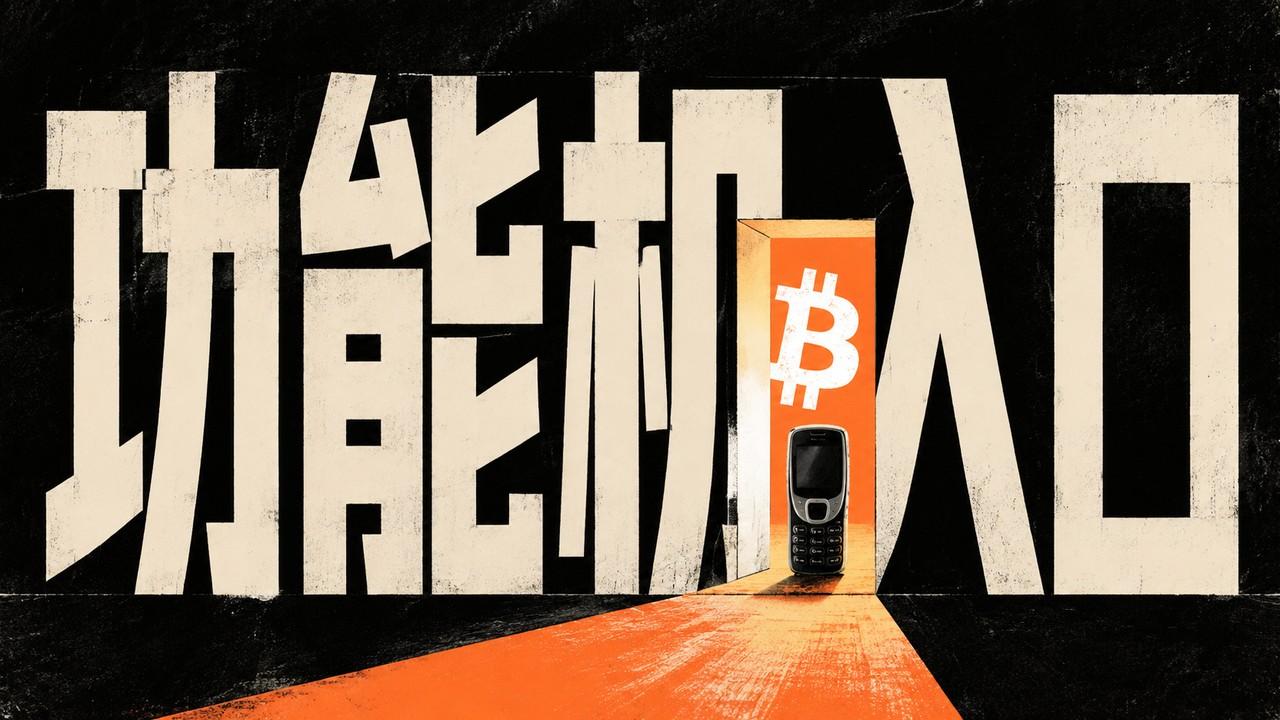
In May 2026, three seemingly unrelated puzzle pieces suddenly came together on the same timeline: On one side, OpenAI quietly offered approximately $2 million worth of OpenAI tokens to a group of founders associated with YC in exchange for company equity, while launching the "Guaranteed Capacity" computing power guarantee service, transforming the anticipated scarcity of future AI computing power into a financial asset with 1–3 year contracts and a tiered pricing model of "the more you spend, the greater the discount"; on the other side, at the Punch zoo in Ichikawa City, Chiba Prefecture, two American men, aged 24 and 27, broke into the monkey enclosure to shoot a promotional video for a memecoin, ultimately getting arrested by the police. This absurd incident has been seen by researchers as a microcosm of the recent chaos surrounding memecoin speculation; almost within the same timeframe, the South Korean presidential office publicly urged Samsung Electronics’ labor and management to reach an agreement as soon as possible on May 20, to avoid the long-standing labor disputes negatively impacting South Korea's export-oriented economy—Samsung Electronics’ electronics and semiconductor business are deeply embedded in the global AI industrial chain. These three events—financialization of AI computing power, on-chain speculation straying into criminal territories, and state power intervening directly to stabilize key enterprises—have locked capital, speculation, and sovereignty back at the same table. The real question is how, under such a structure, market and regulators will reprice crypto and AI-related assets according to their risk premiums and rules.
Token for Equity: OpenAI Courts the Startup Circle
At this "repricing risk" table, OpenAI chose to place its chips directly in the center of the startup circle. From early to mid-May 2026, OpenAI tossed out approximately $2 million worth of OpenAI tokens to founders associated with YC, not in exchange for shares in these companies, but for equity in OpenAI itself. This is seen as another step in its long-term exploration of tokenized financing and monetization of computing power resources: the founders hold tokens closely tied to OpenAI’s future products and capabilities, while the countervalue is equity in this AI giant, essentially bundling the triple identities of "user—partner—shareholder" together. What is more subtle is that the specific share ratio, terms, and vesting arrangements for the token-for-equity swap have not been made public, leaving outsiders to speculate on the real weight of this exchange in the capital structure based only on a rough price tag.
For OpenAI, the strategic meaning of this design is clear: using tokens to lock in a group of the most influential early founders onto its track, so that when choosing technology stacks, product lines, or even business models, they instinctively lean towards OpenAI, as they are both potential heavy users and directly share in the upside of OpenAI’s equity. The token has become a bridge connecting future expectations for computing power use with expectations for equity returns. However, this "deep binding" has sparked a series of reverse questions in the market: How do we define conflicts of interest when founders hold tokens and equities linked to suppliers during technological evaluations? In the absence of disclosed share ratios, valuation assumptions, and detailed terms, is the figure of $2 million sufficient to reflect the real exchange ratio of tokens to equity? How will regulators classify this token, which resembles both financing and pre-selling of resources—is it seen purely as an incentive tool, or does it need to be incorporated into a stricter information disclosure and compliance framework? These open questions themselves already form a risk discount that the market must grapple with when valuing the OpenAI token narrative.
Computing Power Pre-sold: Enterprises Queue to Secure AI Resources
If the token-for-equity exchange transforms equity into an "AI ecosystem passport," then OpenAI's launch of "Guaranteed Capacity" in May 2026 directly commodifies computing power and pushes it into the pre-sale market. Enterprises can sign long-term contracts of varying lengths from 1-3 years with OpenAI, committing to future expenditure in exchange for locking in a certain amount of AI training and inference computing power during the contract period; the higher the committed spending, the greater the discount obtained, and this tiered pricing structure inherently encourages large, long-term commitments to computing power. The specifics related to discount tiers, quota limits, and other details have not yet been disclosed, and the circulating information from external sources is based on single origins, which research briefs have marked as awaiting verification.
Sam Altman’s public statement is the clearest annotation of this service— "As the capabilities of large models continue to grow, global computing power will be in a supply-constrained state for quite some time." Under this narrative, "Guaranteed Capacity" appears more like an AI version of "reserved instances" in the cloud computing world: enterprises lock in future computing rights with time and funding, while OpenAI financializes these future rights with discounts and quotas. The difference is that traditional cloud services reserve general-purpose servers, which can be allocated across various business uses when there’s excess power; here, what’s being reserved are high-end resources for AI training and inference, which are already viewed as “strategic materials” in a new round of technological competition. For large companies capable of securing multi-year contracts, this means they can buy a moat for the next few years all at once on their books; for cash-strapped SMEs, the pre-sold and packaged AI computing power may lead them to fall further behind in the queue, where the entry barrier is no longer just model algorithms but whether they can secure a ticket during periods of tight computing power.
Breaking into the Monkey House: The Cost of Traffic Supremacy
At the same time computing power is being treated as a financial contract for pre-sale, another side of the speculative narrative has climbed over the zoo’s fence. At Punch zoo in Ichikawa City, Chiba Prefecture, two American men, aged 24 and 27, broke into the monkey enclosure area to film a promotional video for a certain memecoin, trying to create a buzz with “real people + dangerous scenes” for a comical token. The two were subsequently arrested by Japanese police; the charges, precise date of the incident, and details of safety measures at the scene are still in a state of missing information and awaiting verification, but this does not affect a fundamental judgment: the act of trespassing into animal enclosures under the guise of promotion is, in itself, a blatant challenge to park rules and public safety, carrying clear illegal and high-risk attributes.
Research briefs have labeled this incident at Punch zoo as a microcosm of the recent chaos surrounding memecoin speculation—in extreme market conditions and the reinforcement of social media structures, the logic "rises come from traffic, traffic comes from risking it all" is being constantly replicated, with project teams and individual participants being passively pulled into a competition of "who dares to cross the line more." The problem is that crossing the line is never just about public opinion risk; it also entails composite risks of legality, morality, and brand identity: animal safety and public perception are consumed, while regulatory bodies gain another reason to tighten controls and take action against memecoin marketing. For any crypto projects and funding that still hope to have a place in mainstream financial and technological narratives, the monkey house at Punch zoo serves as a reminder: when the token narrative is entirely entrusted to extreme marketing, the backlash is not borne by a particular anonymous speculator but by the entire track’s legitimacy in the eyes of regulators and the public.
The Samsung Labor-Management Deadlock: An Invisible Variable in the AI Chip Supply Chain
If the monkey house at the Japanese zoo is the most conspicuous farce in the crypto narrative, then Samsung Electronics is the “quietest” source of risk on the other end. Samsung Electronics’ labor disputes have persisted for years and are no longer just news of a single negotiation breakdown, but rather a structural issue that Korean society has been grappling with repeatedly. On May 20, 2026, the South Korean presidential office rarely publicly urged both labor and management at Samsung Electronics to "make their best efforts to reach an agreement" and specifically to avoid causing negative impacts on the South Korean economy. This direct intervention serves as a reminder to the market: this is not an ordinary internal conflict of a single company, but a macro variable that impacts a whole set of export and industrial chain expectations. Research briefs also emphasize that the South Korean government’s involvement in mediating stems from Samsung's strategic position in Korea’s export-oriented economy; if the long-standing deadlock evolves into substantive production and investment fluctuations, external trade data and employment will be the first to suffer.
For the AI and crypto world, more crucial is Samsung’s role in the global electronics and semiconductor landscape. Samsung is a major global electronics and semiconductor company whose manufactured memory chips and related products are deeply embedded in AI infrastructure and consumer electronics: from high-bandwidth storage required for training large models to inference carriers on everyday user terminals, they are all dependent on the components it provides. If the labor-management deadlock escalates into supply instability, the computing power resources, which have already been repetitively emphasized by people like Sam Altman as being in “long-term shortage,” could face new bottlenecks in storage and supporting components; the costs and delivery timelines of AI training and inference would rise accordingly, affecting mining rig manufacturers, computing-intensive businesses, and even crypto projects relying on large-scale hardware deployments. The market's pricing logic for the "AI + crypto" narrative will also have to incorporate these supply chain labor risks into discounting models.
Three Threads Intertwined: The Next Act of the 2026 Crypto Narrative
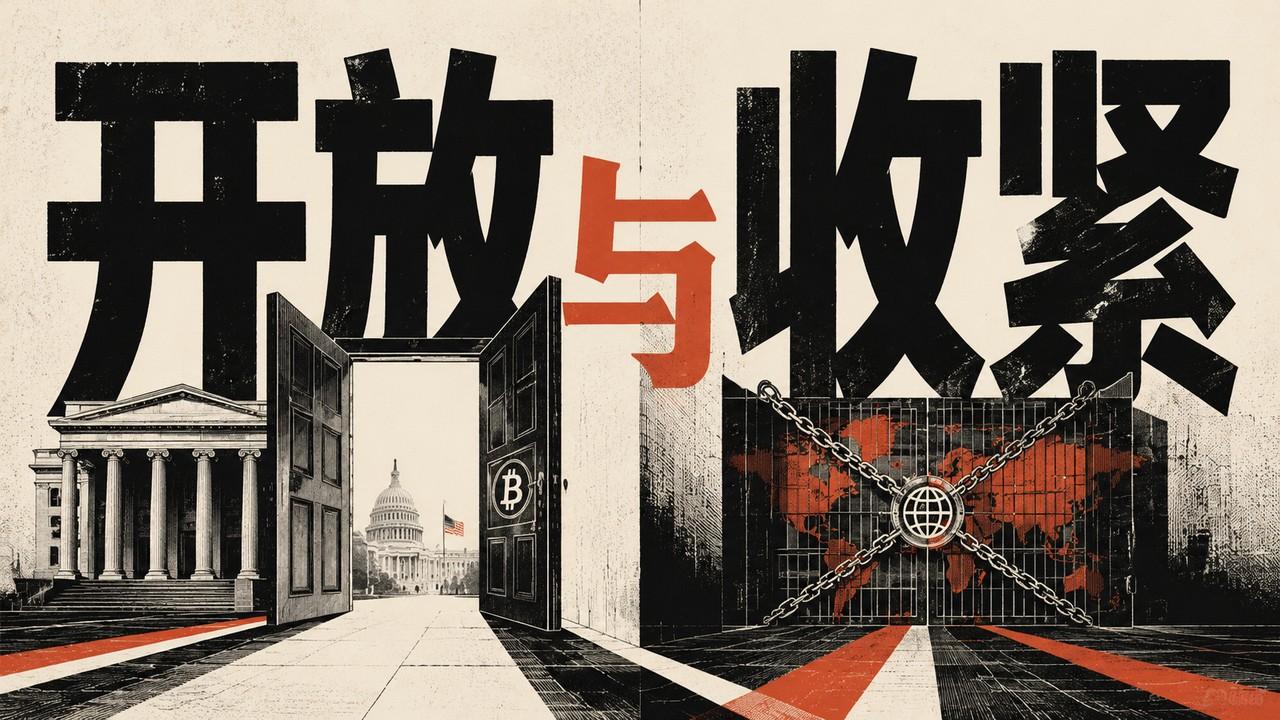
Zooming out, OpenAI's exchange of approximately $2 million of its tokens for equity, combined with the locking contract from "Guaranteed Capacity" for 1–3 years, represents typical asset financialization: future model outputs and computing power that is recognized as long-term scarce are pre-sliced into contracts and equities that can be negotiated for discounts and embedded into valuations; the memecoin incident at the Ichikawa zoo starkly exposed the extremes of speculation to the camera, with marketing crashing repeatedly into societal and legal red lines; meanwhile, the South Korean presidential office’s public urging for Samsung Electronics and labor to reach an agreement highlights the normalization of state intervention, signaling the government’s willingness to directly support macro stability in key technology and export industries. These three forces are intertwining, reshaping the risk structure of the AI and crypto markets in 2026: on one side, computing power and equity are being accelerated into financialization and "prepaid" into prices and narratives, while on the other side, regulation and public sentiment are tightening their tolerance for unchecked speculation. The research brief arranges these three series of events from May side by side, indicating that future observations need to continue along these three threads: whether computing power contracts will evolve into more complex quasi-financial products, whether memecoin-like phenomena will force more robust enforcement and industry self-regulation, and how the boundaries of government intervention between technological capital expansion and labor conflicts will be redefined—these yet-to-be-formed variables will determine who will ultimately bear the risk premium in the next act of the AI and crypto narrative.
Join our community, let’s discuss and get stronger together!
Official Telegram community: https://t.me/aicoincn
AiCoin Chinese Twitter: https://x.com/AiCoinzh
OKX welfare group: https://aicoin.com/link/chat?cid=l61eM4owQ
Binance welfare group: https://aicoin.com/link/chat?cid=ynr7d1P6Z
免责声明:本文章仅代表作者个人观点,不代表本平台的立场和观点。本文章仅供信息分享,不构成对任何人的任何投资建议。用户与作者之间的任何争议,与本平台无关。如网页中刊载的文章或图片涉及侵权,请提供相关的权利证明和身份证明发送邮件到support@aicoin.com,本平台相关工作人员将会进行核查。