Quality assets that steadily appreciate in value are becoming scarce.
Author: Bourbon
"The era where you could close your eyes and make money on anything is really over." The topic of conversation among friends is quietly shifting from buying houses and trading stocks in previous years to "where else can we invest some money."
In the second quarter of 2025, new deposits from residents once again surpassed one trillion, in stark contrast to the annualized yield of a certain treasure falling below 2%, and most bank wealth management products yielding below 3%. The stock market is experiencing increased volatility, with the "Mao Index" and "Ning Combination" undergoing successive corrections, causing many investors to experience a rollercoaster-like market.
An increasingly clear consensus is: Quality assets that steadily appreciate in value are becoming scarce.
Meanwhile, on social media, the topic #young people are starting to hoard gold bars has surpassed one billion views. On Xiaohongshu, posts by ordinary users sharing their experiences of "saving gold beans" have received tens of thousands of likes.
In the past two years, gold has strongly returned to the spotlight. In live broadcasts, hosts from major gold jewelry brands are rapidly promoting their products, and more consumers are treating gold purchases as painless "savings consumption"—achieving both the pleasure of consumption and the effect of asset preservation, which can also be liquidated when needed.
On the investment side, a surge in gold prices is unfolding. Yesterday, the international gold price reached $4,400 per ounce, soaring from over $2,600 per ounce at the beginning of 2025. Domestic gold prices have also surged from 600 yuan per gram to break through the 900-1,000 yuan mark, an increase of over 60%. Notably, the market set over 30 historical highs in 2024, and after entering 2025, the number of record-breaking instances exceeded 50**. As gold prices rise, the topic continues to make headlines and trend on social media.
"When domestic gold prices were 300 yuan per gram, I thought it was too expensive to buy. When it hit 600 yuan, I thought it must be at its peak. Now it's 900 yuan. Is there anything worse than this?" joked 30-year-old internet product manager Zhang Chen at a gathering with friends.
Now, Zhang Chen is seriously contemplating a question: "How should I invest in gold?"
01 Why We Can Still Trust Gold in an Uncertain World
The fluctuations in gold prices are often positively correlated with the "liveliness" of international news. Just recently, the prospects for Russia-Ukraine negotiations remain unclear, and the U.S. is sharpening its knives against Venezuela. According to data from the World Gold Council, global central banks continued to purchase gold in 2025. To paraphrase a line from a skit, "The world is quite chaotic, with constant scheming and intrigue; looking at the global situation, (gold) is the only beautiful scenery here."
Behind this is a consensus that transcends time: in times of uncertainty, gold is the most reliable wealth certificate. As the ancient Chinese saying goes: "Antiques in prosperous times, gold in chaotic times." When the world faces challenges and new uncertainties, the prices of assets like antiques and jade, which rely on specific cultural contexts and stable societies, fall sharply, while gold's safe-haven properties shine once again.
Looking back at the history of human civilization, gold's role has been enduring, universal, and diverse. Gold possesses the dual stability of physical state and value recognition, and its strong liquidity allows it to be easily liquidated, making it historically recognized as the "artifact of value preservation." The ancient Egyptians referred to gold as "the sun you can touch," and from the golden masks of the Mesopotamian civilization to the gold standard of the Bretton Woods system, gold has always been the ultimate store of value and credit anchor.
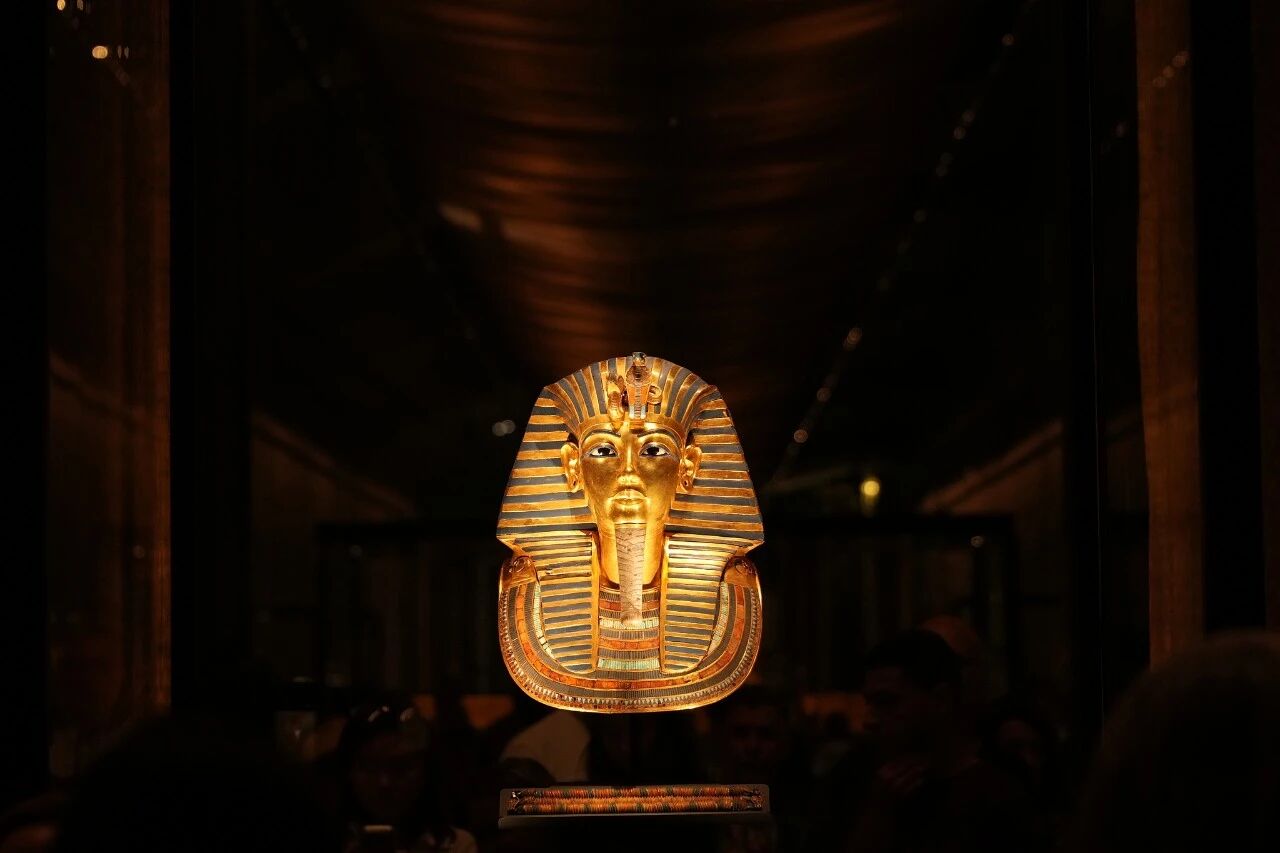
Ancient Egypt, Tutankhamun's golden mask
Investments like stocks, real estate, and wealth management products often rise and fall together, but gold acts like a "lone ranger," frequently moving differently from them.
History is the most powerful proof. During the market turmoil triggered by the pandemic in 2020, U.S. stocks experienced multiple circuit breakers, oil futures fell to negative values, and the global economy hit the pause button. Gold exhibited its characteristics, starting from around $1,500 at the beginning of the year and soaring to a historical high of over $2,000 in August of the same year, becoming one of the most outstanding mainstream assets of the year. A recent example is in 2022, when faced with the strongest global inflation and geopolitical conflicts in decades, traditional stock-bond combinations suffered a double whammy, with the S&P 500 index dropping nearly 20%, while gold once again stood firm, maintaining a relatively resilient performance.
Gold, as a monetary asset that does not rely on the credit of any government or institution, naturally becomes the ultimate safe-haven choice due to its globally recognized independence, liquidity, and value storage function. This demand for safety tends to surge during times of heightened uncertainty, driving up gold prices and, to some extent, offsetting losses from other assets in an investment portfolio.
In addition to hedging risks and serving as a safe-haven asset, gold also has monetary attributes; for thousands of years, it has been the ultimate "anchor" behind money. This imprint is deeply engraved in everyone's mind. Although it does not yield interest, it has long appreciated steadily.
It's important to note that the printing press has been continuously working, and the purchasing power of cash is quietly shrinking. Factories can continuously produce phones and clothes, but the amount of gold underground is limited and cannot be rapidly increased. Therefore, gold is one of the important tools that help ordinary people ensure their wealth outpaces the speed of money printing and preserves purchasing power. What it protects is not just the numbers on the balance sheet, but how many tangible things those numbers can be exchanged for.
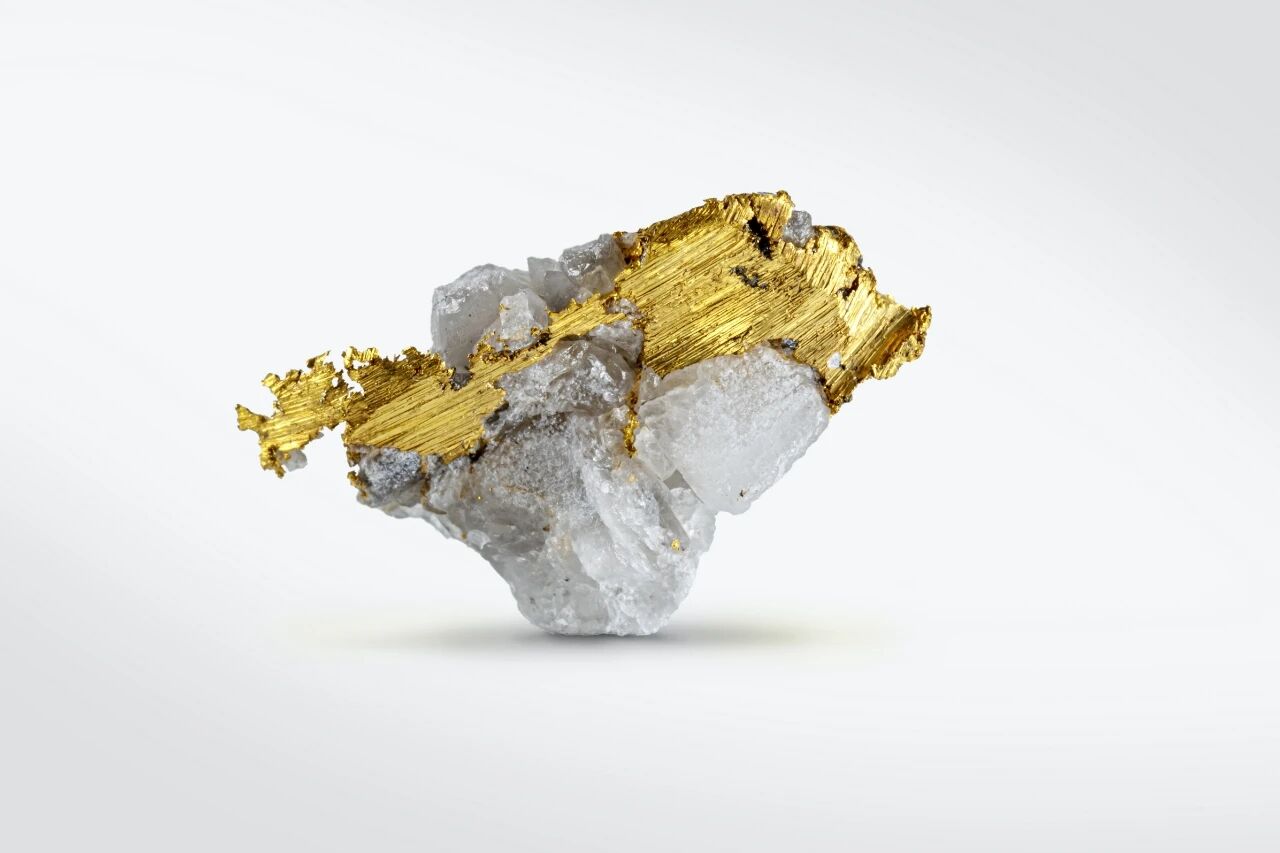
The amount of gold and the speed of extraction determine that its stock is difficult to grow rapidly.
In the past 20 years, the annualized increase in gold prices, when priced in RMB, has exceeded 10%, not only outperforming the Shanghai Composite Index but also yielding higher returns than stable investments like ten-year government bonds.
Now, it's not just ordinary people buying; major investment institutions and central banks around the world are also continuously hoarding gold. Behind this is the trend of de-globalization and de-dollarization, with gold becoming the most solid trump card for wealth accumulation.
02 From Ballast to Engine, Asset Allocation Also Has a "Gold" Ratio
In 2025, as global central banks continue to increase their gold reserves and institutional investors reassess their portfolios, gold's role is undergoing a silent transformation: from an ancient asset for value preservation to an indispensable strategic foundation in modern investment portfolios.
In personal, family, and even institutional investments, gold is gradually evolving from a tactical short-term role to a long-term strategic asset, playing the role of ballast. If an asset portfolio is like a football team, then gold investment is like a defensive midfielder in the team, helping you solidify your defense, organize your defense, and mitigate the opponent's attacks (systemic market risks), and when transitioning from defense to offense, it becomes the first point of distribution, linking the entire team and bringing stable returns. Its presence makes the entire team's formation more solid, allowing for a more composed strategy and better responses to various unexpected situations.
When you invest in other products, whether by purchasing a certain amount of accumulated gold, allocating a portion of your regular investment in a gold-themed fund, or habitually buying one or two small gold bars each year, you are practicing the concept of embedding gold into a diversified investment portfolio, achieving risk hedging, asset preservation, and long-term appreciation. Now, there is a trendy term to describe this long-term approach to allocating gold—“Gold+”.
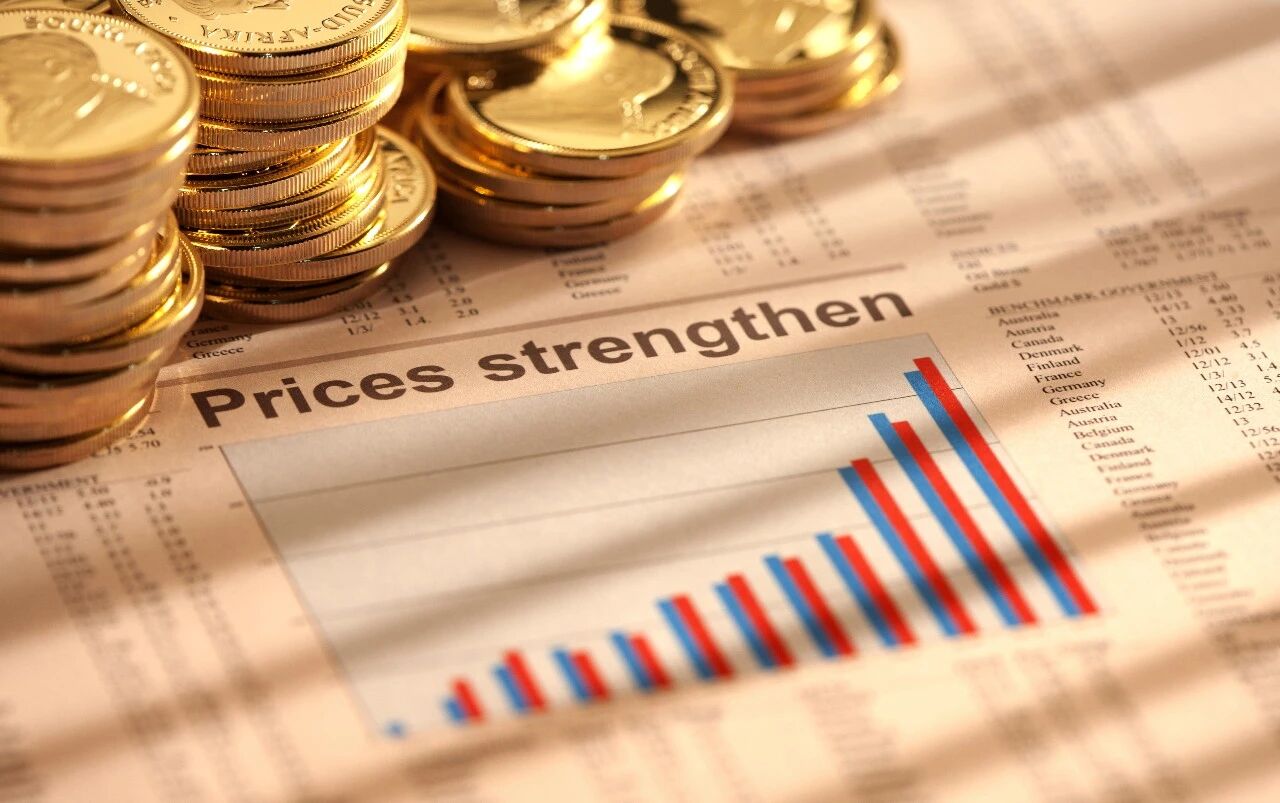
Embedding gold into a diversified investment portfolio can achieve risk hedging, asset preservation, and seek long-term appreciation.
Li Wei, a partner at a private equity fund in Shanghai, is a loyal practitioner of this concept. After all, "the market has taught me a lesson."
Li Wei clearly remembers the market turbulence of 2022: "At that time, my portfolio did not include gold. When A-shares underwent a deep correction, even bonds' defensive effects seemed inadequate, and the overall drawdown kept me awake at night." After that experience, she delved into the data and found that the correlation coefficient between gold and core domestic assets like the CSI 300 has long been close to zero.
As a typical non-credit asset, gold's volatility logic does not depend on corporate profits or interest rates, and its correlation with other investment products is low. We often say not to put all your eggs in one basket, and gold and other "eggs" are not only not in the same basket but not even on the same table. This means that when stocks and bonds "fail," gold can often provide a rare, uncorrelated source of returns, becoming a true ballast in the portfolio. Thus, Li Wei began to treat gold as a long-term fixed allocation.
“It's not a question of whether to buy gold, but how to add it.” Now, Li Wei shows clients screenshots of her account allocation: 60% in bond products, 30% in equity funds, and 10% in gold ETFs.
"Many people treat gold as a tool, only buying high during panic and hurriedly selling during volatility," Li Wei summarizes. "But in fact, gold is more like the vitamin pill you take every day. It doesn't cure acute illnesses, but in the long run, it can help strengthen your constitution (the portfolio's risk resistance), giving you more confidence to cope with life's ups and downs (market fluctuations)."
Gold investment has a low correlation with other investment products, is relatively stable in value, and has anti-risk characteristics.
If you imagine your family's investment allocation as a simple "half stocks, half bonds" piggy bank, over the past twenty years, if you had additionally allocated 10% to gold, this piggy bank would not have suffered as much during the worst market conditions, and the long-term returns would also be more stable. In the past 20 years, the annual average return of gold prices in RMB has exceeded 10%, which is quite considerable, but what is more valuable is that it often stabilizes when everyone is most panicked, even quietly rising a bit, like taking a calming pill.
A simple comparison can illustrate this: If ten years ago, in December 2015, you invested 10,000 yuan in an ETF tracking the Shanghai A-share index, after ten years of ups and downs, the current holding value is about 8,500 yuan. However, if we had allocated 10% to a gold ETF and the remaining 90% to the Shanghai Composite Index ETF, its current total value would be around 12,000 yuan.
As an ordinary person, how should you invest in gold? The principle is understood, but when it comes to taking action, it becomes difficult. "I know I should add some gold, but how much is appropriate? Is it worth buying at such a high price? What if I make a mistake?" It's like knowing that a balanced diet is necessary for health, but facing a dazzling array of ingredients and complex recipes, you suddenly lose the desire to cook.
People like Li Wei, who have investment experience and a clear philosophy, are indeed in the minority. More people lack understanding and grasp of gold investment varieties and timing, thus fearing direct investment in gold.
So, is there a one-stop "gold investment nutrition package"? It's important to know that today's gold investment products are very diverse. You can choose to keep gold bars in your home safe, or opt for modern forms of physical gold, such as bank accumulation gold, purchasing gold rights in grams or even smaller units regularly or sporadically, which has a low threshold and a strong sense of accumulation, combining savings and investment attributes; you can also directly buy and sell gold ETFs that track domestic gold prices through securities accounts, bank accounts, or even online platforms, which trade as conveniently as stocks, have good liquidity, and are effective tools for tracking gold price trends. Additionally, there are many more structured gold-themed funds and wealth management products linked to gold.
However, for most investors seeking convenience and efficiency, researching these products one by one and deciding on allocation ratios and timing for buying and selling remains a time-consuming and labor-intensive professional task. What ordinary people need may not be more options, but rather a professionally judged, optimized combination answer.
03 Professionalism Replaces Solo Efforts: A New Way to Invest in Gold
Thus, "Gold+" investment products have begun to emerge, resembling a carefully balanced investment portfolio package that encapsulates professional asset allocation logic into financial products accessible to ordinary investors.
Wang Tao is a typical case. "I am a novice investor, with neither the time to study the market nor the confidence to operate on my own." As a busy employee at a large company, in early 2024, Wang Tao purchased a multi-asset structured wealth management product with a 10% allocation to gold, recommended by a bank wealth management manager.
The "Gold+" investment product Wang Tao purchased is a multi-asset combination product issued by a professional financial institution, which allocates more than 5% gold in its performance benchmark or asset allocation strategy. It does not require investors to answer the difficult question of "Should I buy gold now?" Instead, the product manager systematically combines gold with other assets (such as stocks and bonds) based on established investment goals and strategies, transforming the complex allocation process into a one-click purchase solution, making strategic gold allocation as simple and direct as choosing a mature wealth management plan.
"I don't need to constantly monitor gold prices, nor do I need to understand the specific ratios of stocks and bonds," Wang Tao said. "The professional institution has already done the allocation for me. I just need to know that my investment portfolio includes gold as a stabilizer. After more than a year, my overall return has exceeded 10%, and I see that some 'Gold+' products have even achieved a maximum return of over 40% in two years."
Wang Tao's experience illustrates that "Gold+" not only brings returns but also leads to a shift in his understanding. "I gradually realized that for assets like gold, watching its ups and downs over one or two years is not very meaningful; only by holding it can its strategic ballast role be highlighted." Now, Wang Tao no longer frequently checks short-term fluctuations but focuses more on the long-term asset allocation logic itself.
Long-term holding better reflects the value of gold investment.
Of course, recognizing the value of gold does not mean that one should invest all funds into it. The "All in" strategy for a single asset, regardless of what it is, often comes with significant volatility risks and psychological pressure, akin to putting all your eggs back into the same basket.
Many investors interested in gold often get stuck on several practical issues: they don't know what proportion to allocate, struggle to grasp the timing for buying, and find it even harder to overcome emotional fluctuations during price rises and falls. "Gold+" products can largely address these issues. They act like a "personal trainer for asset allocation," helping you standardize complex decision-making through the product's established strategies (such as clear gold allocation ratios, professional macro judgment adjustment mechanisms, and structures that encourage long-term holding). At the same time, ordinary investors often exhibit poor discipline, feeling anxious with slight declines and eager to cash out with slight increases. In the movie "Charlotte's Troubles," the story of Dachun buying a house early based on Charlotte's advice and then selling it too soon is a dramatic representation of poor investment discipline. Similarly, "Gold+" products can also discipline fluctuating emotions, allowing ordinary people to execute a long-term gold allocation plan relatively steadily.
According to statistics from the World Gold Council, from 2021 to the first half of 2025, the number of domestic products explicitly using "Gold+" as a strategy grew from just 1 to 24. As of June 2025, 45% of the 515 FOF products in China hold gold. "Gold+" is no longer a marginal attempt but is gradually becoming a common consensus in the asset management industry.
In short, these products have achieved a clever transformation: they integrate professional asset allocation knowledge, macro judgment logic, and the discipline required to counter human emotional fluctuations into a clear product form. They bring the strategic value of gold as a "ballast" out of abstract concepts and complex data, turning it into a concrete, executable, and holdable plan within investors' accounts.
The value of gold investment lies not only in its stability but also in its diverse forms, allowing everyone to find a suitable way to invest in gold. In today's era, it seems that each of us can consider how to seize the "dividend of the times" through gold. Among the many gold investment varieties, at least in terms of operation, "Gold+" is undoubtedly one of the most user-friendly products for ordinary people.
True wealth management is not about seeking shortcuts to overnight riches but about building a resilient long-distance mechanism that can accompany you through cycles.
免责声明:本文章仅代表作者个人观点,不代表本平台的立场和观点。本文章仅供信息分享,不构成对任何人的任何投资建议。用户与作者之间的任何争议,与本平台无关。如网页中刊载的文章或图片涉及侵权,请提供相关的权利证明和身份证明发送邮件到support@aicoin.com,本平台相关工作人员将会进行核查。


