Introduction
In the world of blockchain, every on-chain operation relies on the support of Gas fees. It is the "fuel" that drives the network operation, but it has also become a target for malicious actors. From unlimited authorization leading to assets being "quietly" transferred away, to Gas fee hijacking forcing users to pay costs far beyond expectations, these traps are becoming increasingly covert.
Unlike traditional phishing attacks, these types of attacks often disguise themselves as normal operations such as "authorization," "mint NFT," or "participate in DeFi mining," taking advantage of users' unfamiliarity with contract mechanisms, unknowingly consuming or even stealing assets. To help everyone recognize these risks, the Zero Time Technology security team combines industry security practices, focusing on Gas fees and transaction security based on a series of blockchain security popular science, revealing common traps, mastering practical prevention skills, and clarifying emergency disposal plans after asset damage.
Part 01-Common Gas Fee and Transaction Security Traps
Gas fees serve as the "pass" for on-chain transactions, and the security of related operations directly correlates to users' asset safety. Malicious actors seize users' cognitive blind spots regarding Gas fee mechanisms and contract authorizations, designing various covert traps, many of which disguise themselves as normal on-chain interactions, making them hard to detect. Common traps mainly fall into the following three categories:
1. Unlimited Authorization
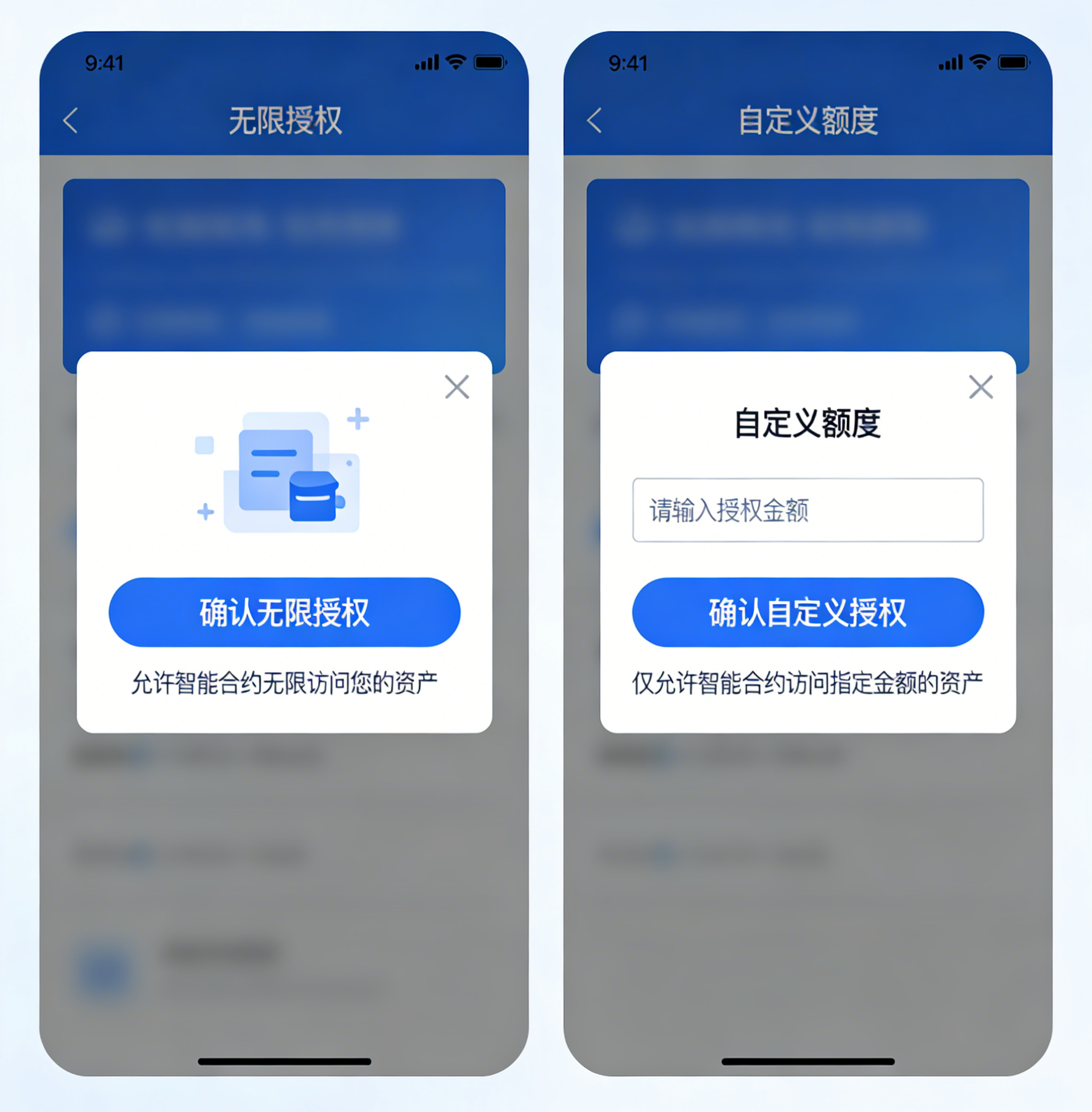
Unlimited authorization occurs when users grant contracts the "unlimited" permission to use a certain token in their wallet while interacting with smart contracts. This is currently one of the most common and harmful asset loss traps.
◆Operational Logic: When you click the "Authorize" button in a DApp, if you do not carefully check the authorization amount, you may have signed an "unlimited authorization" agreement. This means that the contract can theoretically transfer all tokens of that type from your wallet at any time without needing your confirmation again.
◆Typical Scenario: When minting niche NFTs, participating in unverified DeFi liquidity mining, or trading on unknown DEXs, malicious contracts may pre-select "unlimited authorization," prompting users to confirm quickly, and subsequently transferring assets from the wallet in batches without the user's awareness.
2. Gas Fee Hijacking
Gas fee hijacking refers to attackers forcing users to pay Gas fees that are far higher than normal levels through malicious contracts or tampering with transaction data, even directly stealing the Gas fees paid by users; essentially, it is about manipulating parameters related to Gas fees to gain illegal profit.
◆Operational Logic:
Frontend Tampering: The DApp frontend controlled by the attacker will automatically set the Gas price or Gas limit to extremely high levels when a user initiates a transaction, far exceeding the normal costs during network congestion.
Malicious Consumption in Contracts: Malicious contracts embed "infinite loop" code, which continuously consumes Gas during execution until the Gas limit set by the user is exhausted, resulting in transaction failure, but the Gas fee has already been deducted by the blockchain nodes.
◆ Typical Scenario: Users participate in a popular NFT whitelist mint on an unofficial link, and upon confirmation, their wallets are instantly deducted dozens of times the normal ETH amount as Gas fees, while the NFT does not arrive.
3. Fake Authorization / Fake Transactions
Attackers forge authorization requests or transaction pop-ups to lure users into signing malicious data, thereby directly stealing assets or controlling wallets, often occurring in conjunction with Gas fee traps.
◆Operational Logic:
Phishing Links Inducement: Users click on "official links" in phishing emails, Discord messages, or social media ads, entering imitation sites that are highly similar to the authentic DApp.
Malicious Request Forgery: The pop-up "authorization" window on the imitation site superficially displays "authorize tokens for trading," but the actual transaction data has been tampered with, directing the user's assets straight to the attacker's wallet.
◆ Typical Scenario: Users receive private messages stating "Your wallet has security risks and urgently needs authorization verification," and after clicking the link, they complete authorization, not only paying high Gas fees but also having their mainstream tokens instantly drained from their wallets.
Part 02-Wallet Security Settings and Prevention Measures
To deal with the aforementioned Gas fee and transaction security traps, the core lies in "preventive measures." Users do not need to master complex blockchain technology but should focus on three key aspects: authorization management, Gas fee settings, and transaction verification, developing good operational habits to effectively avoid risks, specifically starting from the following three points:
1. Strictly Control Authorization Limits, Adhere to the "Minimum Authorization" Principle
Authorization operations are the main breakthrough point for asset loss; controlling authorization limits is cutting off risk from the source, with the core idea being "do not authorize excess amounts, retract when not in use."
◆Reject Unlimited Authorization: When performing authorization operations in any DApp, always opt out of "default options," selecting "custom limit" to authorize only the minimum number of tokens required for the current operation (for example, authorizing only 0.01 ETH for minting an NFT, or only authorizing the amount for this transaction).
◆Authorize As Needed, Retract When Done: For temporarily interacting DApps, immediately retract authorization after completing the operation; for routinely used compliant DApps, regularly review authorization limits to avoid asset risks caused by contract vulnerabilities.
2. Refined Gas Fee Settings to Prevent Malicious Hijacking
Gas fee parameter settings are crucial for preventing Gas fee hijacking, requiring users to actively control Gas fee settings to avoid being manipulated by malicious frontends or contracts, thereby minimizing unnecessary cost losses.
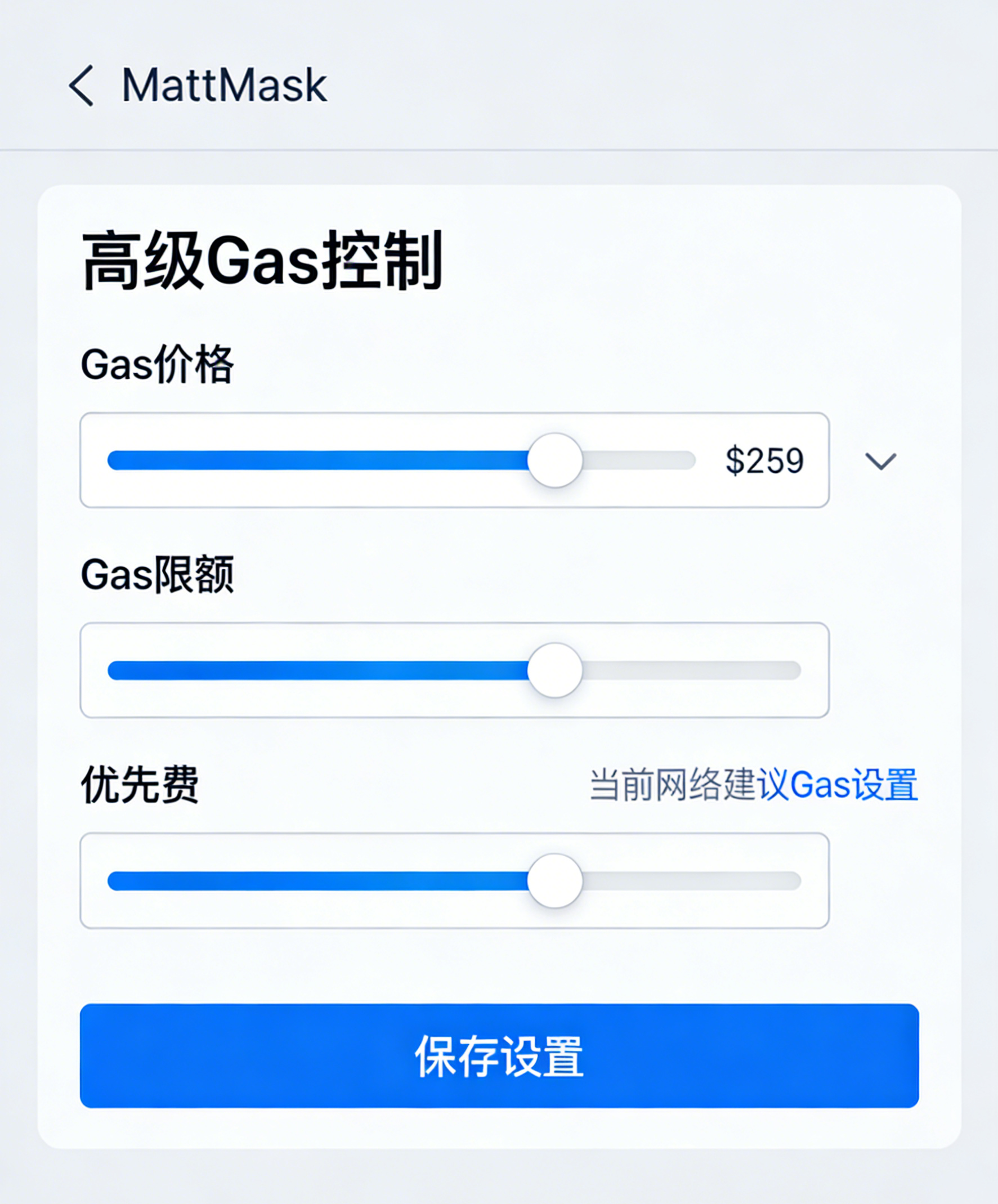
◆Enable Advanced Gas Control: In mainstream wallets (such as MetaMask, TokenPocket), activate the "Advanced Gas Management" function to manually set upper limits for Gas prices and Gas limits, preventing malicious frontend parameter tampering.
◆Refer to On-chain Data: Before initiating a transaction, check the current average Gas price through blockchain explorers like Etherscan, Arbiscan, and reject transaction requests that are obviously higher than market levels.
◆Avoid High Congestion Periods: During periods of popular project minting or significant policy releases, network Gas fees soar; it is advisable to suspend non-urgent operations or choose Layer 2 networks for interactions, reducing costs and risks.
3. Strengthen Transaction Security Defense, Avoid Basic Traps
Apart from authorization and Gas fee settings, verifying the details of every transaction and the security of interaction scenarios is also an important link in preventing traps, requiring "careful checks, rejection of suspicious."
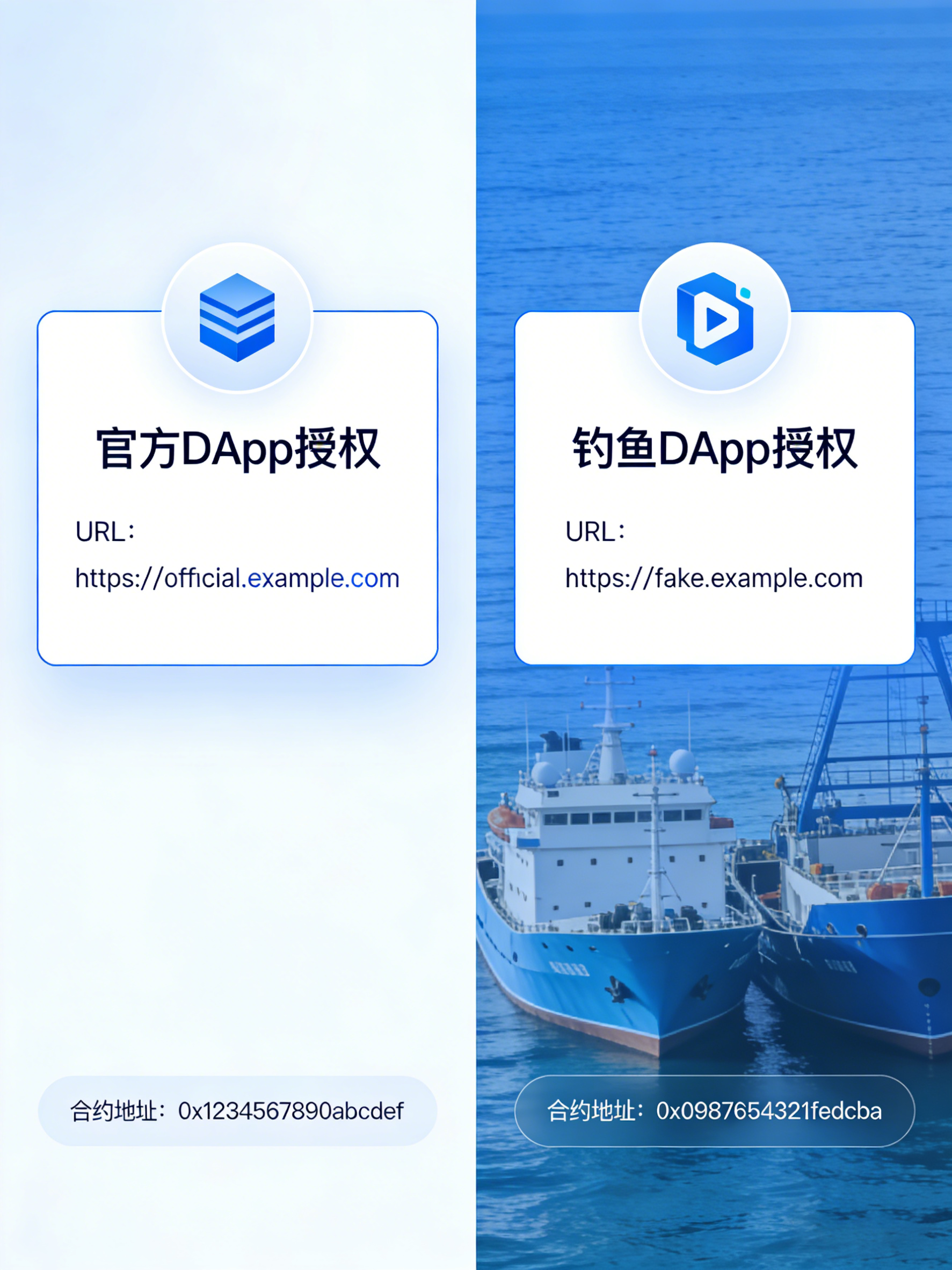
◆Verify Core Transaction Information: When confirming the wallet pop-up, it is imperative to check three points—whether the receiving contract address is consistent with the official one, whether the transaction amount is correct, and whether the Gas fee parameters are reasonable—each is necessary.
◆Validate DApp Authenticity: Obtain DApp links only through official websites or social media blue V accounts, check website SSL certificates and contract addresses, and refuse to click on unverified links.
◆Isolate Risky Assets: Use the "dual wallet strategy," with a hot wallet only holding a small amount of assets for daily interactions, while storing large assets in a hardware wallet or cold wallet, completely isolating on-chain interaction risks.
Part 03-Disposal and Tool Recommendations After Asset Damage
Even with preventive measures in place, one may still encounter malicious attacks due to oversight. At this time, quick and accurate disposal can minimize losses. The Zero Time Technology security team combines practical experience to organize "emergency disposal steps" and "essential security tools," helping users take the initiative in crises.
1. Emergency Disposal in Three Steps (Golden 10 Minutes)
Authorization operations are the main breakthrough point for asset loss; controlling authorization limits is cutting off risk from the source, with the core idea being "do not authorize excess amounts, retract when not in use."
◆Immediately Freeze Wallet and Revoke Authorizations: Upon discovering abnormal asset transfers or high Gas fees being deducted, promptly freeze operations with the wallet's "pause transactions" feature; simultaneously open the authorization management tool to batch revoke authorizations of all suspicious contracts, cutting off the attacker’s asset transfer channels.
◆Secure Evidence and Report to Platforms: Screenshot and save key evidence such as transaction hashes (TxID), malicious contract addresses, authorization records, and DApp access links; submit transaction hashes to blockchain explorers, marking the transaction as "suspected attack;" simultaneously feedback to wallet officials and DApp platforms, requesting assistance in interception.
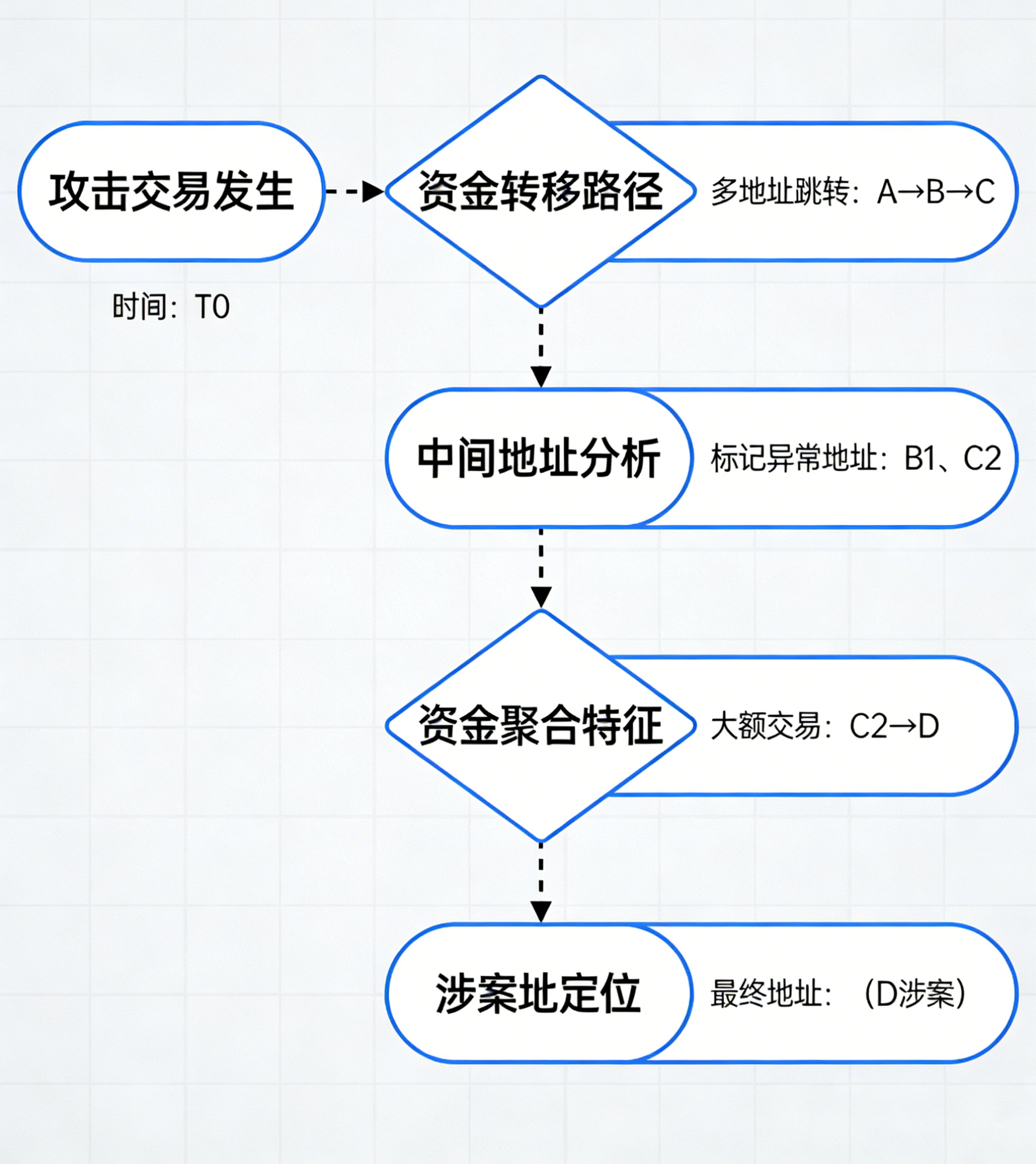
◆Seek Assistance from Professional Security Organizations: If large asset losses are involved, immediately contact professional blockchain security organizations (such as Zero Time Technology) and provide a complete chain of evidence. The security team can use on-chain traceability technology to track the flow of funds from the attacker, assist in connecting with law enforcement, and attempt to freeze the assets of the involved addresses.
2. Recommended Essential Blockchain Security Tools
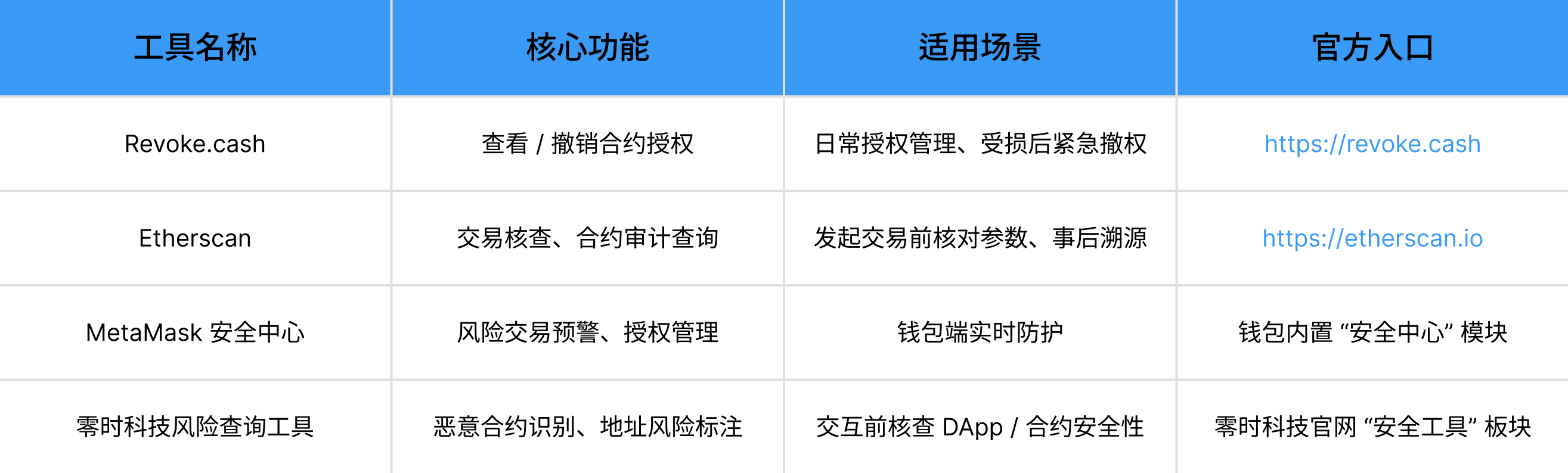
To help users effectively secure protection and quickly handle risks in daily activities, we have selected 4 practical tools that cover core scenarios such as authorization management, transaction verification, and risk alerts, all of which are industry-recognized security tools:
3. Common Disposal Misconceptions (Pitfall Guide)
To assist users in effectively safeguarding their security and quickly addressing risks, we have selected 4 practical tools that cover authorization management, transaction verification, and risk alerts, all recognized security tools in the industry:
◆Mistake One:Paying a "Decryption Fee" to Recover Assets— Attackers seek tokens under the pretext of "helping to freeze the involved address," which is essentially a secondary scam; do not trust easily.
◆Mistake Two: Deleting the Wallet as a Solution— Deleting a wallet does not revoke contract authorizations, and attackers can still transfer assets; the correct approach is to revoke authorizations first and then reset the wallet.
◆Mistake Three: Ignoring On-chain Traceability— After significant losses, relying solely on individual efforts cannot track the flow of funds; it is essential to leverage professional institutions and law enforcement, and never give up on protecting your rights.
Conclusion
Gas fees and transaction security are the "first line of defense" in the blockchain world. Traps like unlimited authorization and Gas fee hijacking essentially exploit users' luck-based mindset and their lack of understanding of technical details. In the face of various DApp interaction invitations, remember the three principles of "minimize authorization, take transactions slowly, and act quickly when damaged" to effectively avoid the vast majority of risks.
免责声明:本文章仅代表作者个人观点,不代表本平台的立场和观点。本文章仅供信息分享,不构成对任何人的任何投资建议。用户与作者之间的任何争议,与本平台无关。如网页中刊载的文章或图片涉及侵权,请提供相关的权利证明和身份证明发送邮件到support@aicoin.com,本平台相关工作人员将会进行核查。


