Written by: Seth
Translated by: Luffy, Foresight News
In March 2012, Israeli developer Yoni Assia proposed the concept of colored coins: marking specific bitcoins so that they could represent real-world assets like stocks, bonds, and ownership certificates.
Unfortunately, this concept has never left the white paper stage. However, it raised a question that many have continued to explore over the next fourteen years: how to enable the free circulation of illiquid physical assets as if they were cash.
Fourteen years later, excluding stablecoins, the scale of tradable tokenized assets has reached $38.29 billion, with committed funds amounting to $369.44 billion and a total of 1.79 million holders.
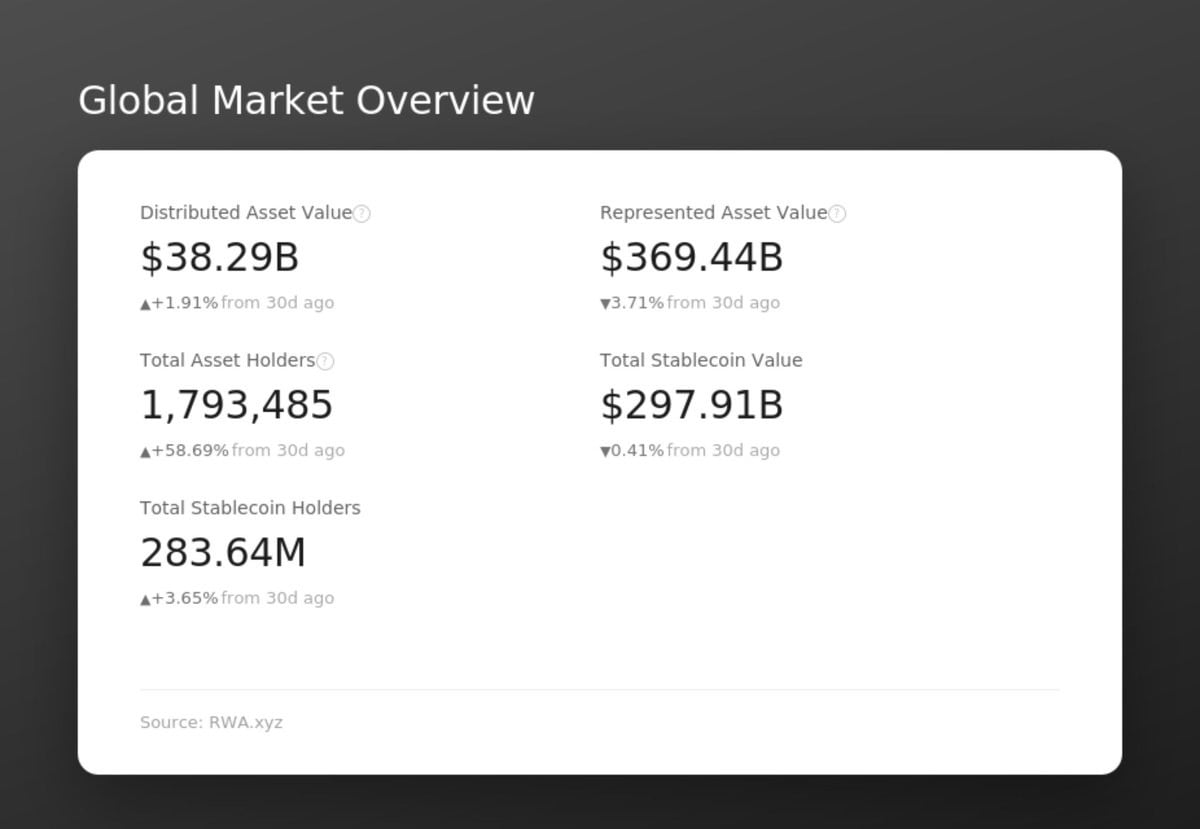
This article layers the complete stages of tokenization development to date and analyzes why this path has been so long.
What is Asset Tokenization
Tokenized assets are debt certificates for real-world assets, where the underlying subjects can be short-term treasury bills, gold bars, credit, hotel equity, represented in the form of on-chain tokens.
Tokens themselves have no independent value. Off-chain, real assets are held by custodians, fund managers, or trust entities, which recognize tokens as valid certificates for extracting the underlying assets. The logic is consistent with stock certificates, bearer bonds, and the relationships with corresponding assets.
The incremental value brought by blockchain is limited but real: it records debt ownership, ownership transfers can be completed in seconds around the clock, without the need for intermediaries to facilitate trades. Stripping away the technological shell, this is an old financial concept; the real innovation lies in trading speed, asset participants, and the way assets are utilized.
Early Builders and First-Generation Dilemmas
Before the industry believed that tokenization could scale, a few pioneers had to prove the feasibility of this idea. In 2017, Lucas Vogelsang and Martin Quensel founded Centrifuge. In the initial four years, the team focused on the Tinlake system, relying on a tiered circular fund pool to provide financing services for real-world receivables and physical assets.
In mid-2021, Centrifuge launched the first RWA funding pool integrated with MakerDAO (now the Sky ecosystem), minting the first batch of DAI backed by real assets, and the plan was successfully implemented.
The same model appeared in real estate. In October 2018, real estate operation company Elevated Returns completed an $18 million financing, tokenizing 18.9% equity of the $224 million-valued Aspen Ridge Hotel and issuing $1 value tokens to accredited investors via Templum Markets. This was also the first large commercial real estate tokenization transaction on the blockchain.

Months later, 31.6% equity of a $5.6 million Andy Warhol painting was tokenized and auctioned in the same manner.
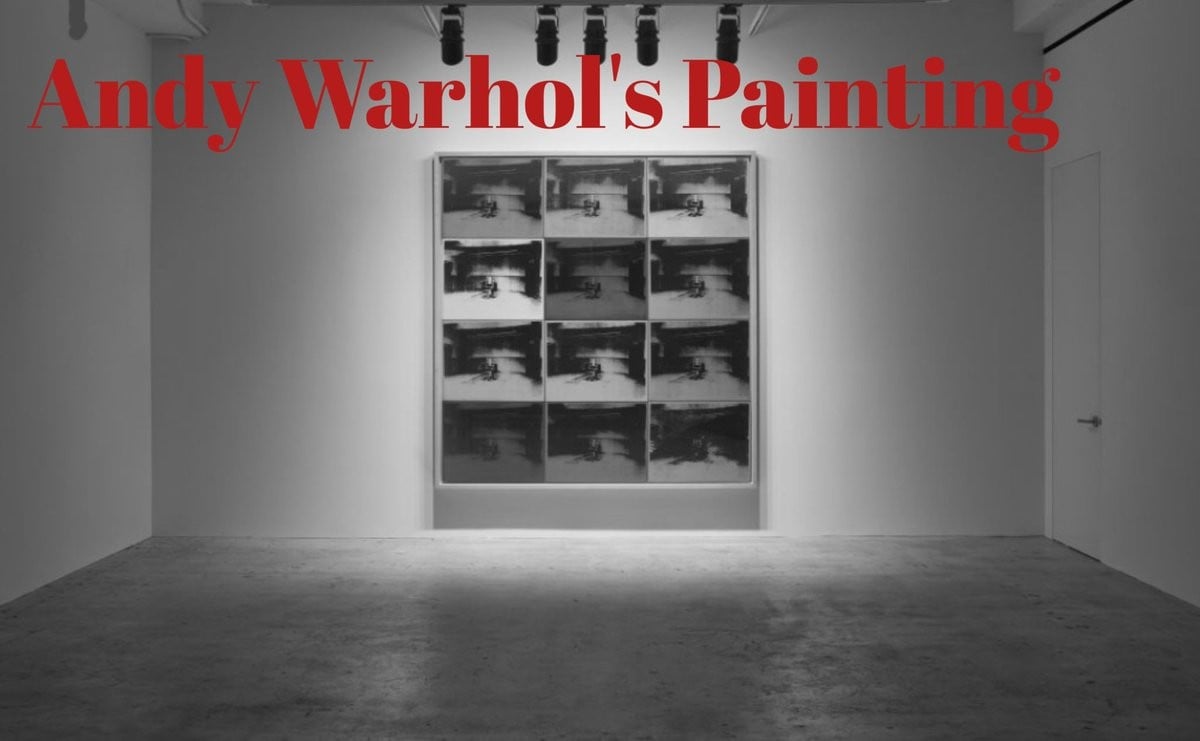
Both transactions were issued smoothly as planned, but later fell into stagnation. After the tokens were minted, the market lacked counterparties, making liquidity a non-issue.
In September 2019, Paxos launched PAXG, the first gold token approved by New York financial regulators. The same year, Tether launched XAUT, leveraging Swiss gold reserves, competing with Paxos's gold products stored at Brinks in London. At that time, neither product attracted significant institutional investment. Seven years later, both are still operating normally, with market capitalizations of $1.9 billion and $2.7 billion, respectively. This also proves that the commodity tokenization model had already been validated long before the wave of treasury tokenization formed.
The improvement of regulatory rules lagged far behind innovation. In 2017, the SEC released the "DAO Report," applying the Howey Test to the determination of token sales for the first time: whether a digital token is considered a security depends on the way it is sold, not its name.
This conclusion gave rise to the Security Token Offering (STO) track, while establishing entry barriers limited to accredited investors. Over the next four years, issuers continued to launch various STO products, but legal restrictions kept the majority of potential traders out of the market. Issues such as thin order depth, mandatory lock-up periods, and unclear regulatory frameworks caused this wave to largely end in 2021. That year, the peak number of active users on prediction market Augur was only 265, which later shrank to 37.
Long-Term Challenges Facing the Industry
Various assets are being tokenized, but the vast majority of tokens remain dormant and untraded for long periods. According to Forbes, currently 88% of the RWA market value is concentrated in 62 asset subjects; only 5 products — Figure Housing Credit Fund, Circle’s USYC, Tether Gold, BlackRock BUIDL, and Justokenglobal’s JMWH fund — account for nearly half of the total market size.
The remaining majority of tokens are forgotten by the market after being minted. Even within the highly concentrated 88% of top assets, less than 10% of tokenized value is actively utilized as collateral in DeFi or involved in lending cycles.
The root of the problem is not a lack of demand. Even before 2024, capital was eager to allocate to tokenized treasury bonds and gold. The real barrier is that unless there are trusted licensed entities to undertake custody, asset transfers, and compliance processes, no institution is willing to endorse such assets. Before BlackRock's entry, no credible entity had verified this business model at a significant scale.
How Tokenization Can Break Through
The tokenization industry lacks better products, but rather a giant that other institutions universally trust and are willing to publicly endorse this track.
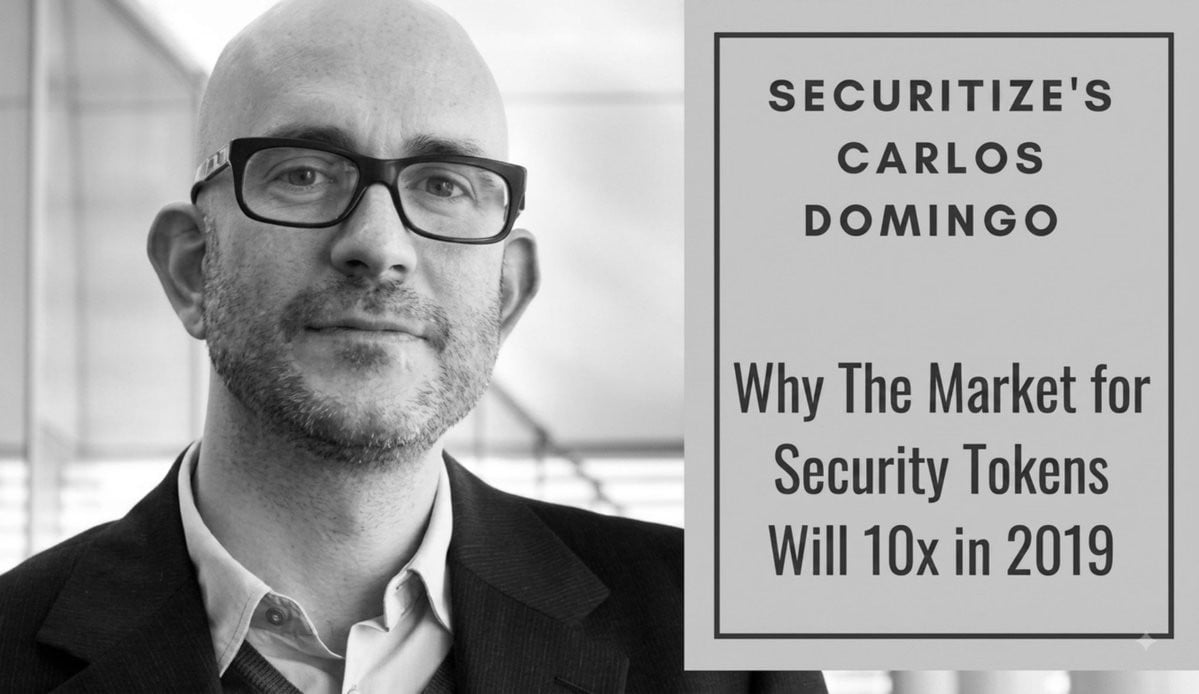
In March 2024, BlackRock provided this answer by launching the BUIDL tokenization fund, managed and tokenized by compliance platform Securitize. Securitize was founded in 2017 by Carlos Domingo and Jamie Finn.
Carlos Domingo previously operated the early-stage security token fund SPiCE VC, which was an important reason why BlackRock chose to partner with Securitize.
Now BUIDL has been issued across 10 public chains, with a scale of $2.8 billion, custodied by Bank of New York Mellon and audited by PwC, with a 7-day yield of 3.42%. BlackRock's entry prompted boards of major asset management institutions to begin taking the tokenization track seriously — an effect that the four-year STO wave had never achieved.
Supplementary background: Franklin Templeton's BENJI fund launched on Stellar in April 2021, marking the first US-registered public fund to use a public chain as the official accounting system, three years before BUIDL. Currently, this fund operates across multiple chains: the EVM version of iBENJI deployed on BNB Chain and Ethereum has a scale of $1.72 billion, while the native Stellar token has a scale of $712.5 million.
Credit and Yield Infrastructure
After the top-level asset packaging plan is formed, the industry middle layer needs a trading market that matches both lending parties. In 2019, Sid Powell and Joe Flanagan launched Maple Finance, which faced significant challenges during its development.

In December 2022, borrower Orthogonal Trading concealed its risk exposure in the FTX collapse, leading to a $36 million loan default. Within a week, the platform's active loan scale shrank by approximately 30%. Powell at that time expressed he was "shocked and disappointed," and based on this crisis, he rebuilt the platform's risk control: broadening borrower access and no longer solely relying on agents to report risk exposure unilaterally.
To date, Maple has issued loans totaling over $20 billion, with its syrupUSDC and syrupUSDT products collectively reaching $1.9 billion, making it a leading tokenized private credit platform.
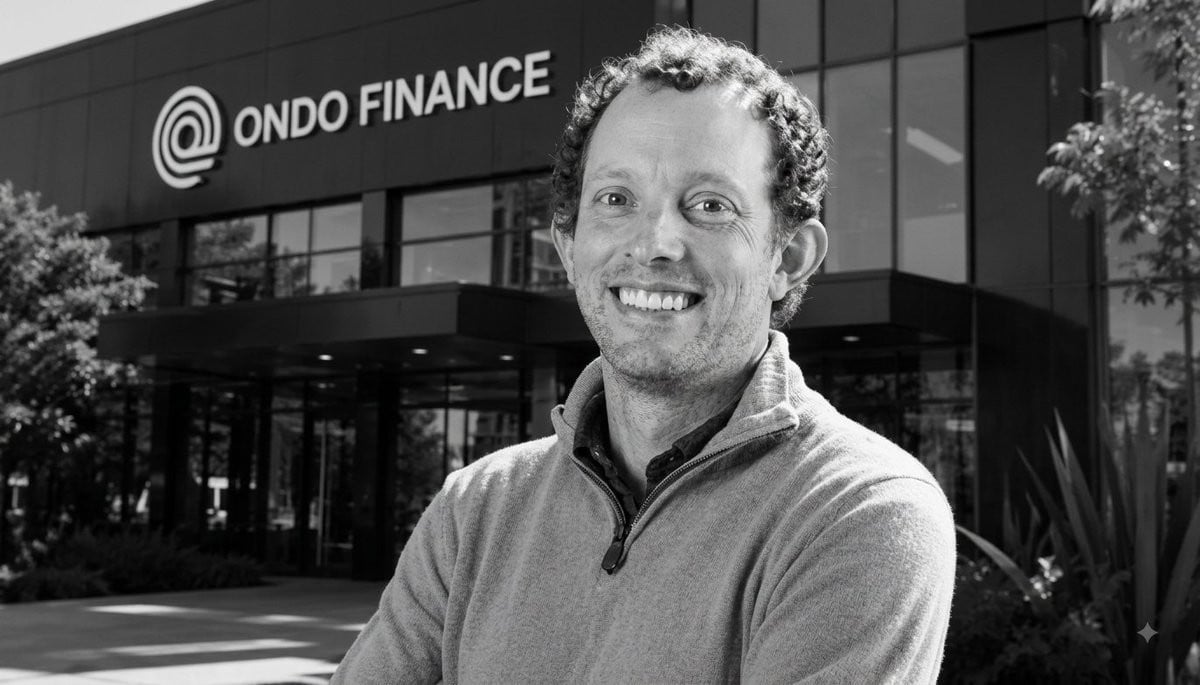
Two years later, Nathan Allman, a senior practitioner of Goldman Sachs Digital Assets, founded Ondo, whose core product OUSG is the first tokenized treasury bond that can be peer-to-peer transferred; USDY is the first yield-oriented stablecoin with no entry barriers. Currently, USDY has a scale of $2.145 billion, and OUSG has a scale of $449 million. Ondo is also the largest on-chain distribution channel for BUIDL. Regrettably, founder Nathan Allman unexpectedly passed away in May 2026.
Oracles and Data Infrastructure
On-chain smart contracts need to reliably read off-chain asset prices and fund net asset values (NAV), which serve as the foundation for all application implementations. Currently, the track is mainly divided among four major networks:
RedStone: In March 2025, Securitize selected RedStone as its core oracle partner. Now RedStone provides daily NAV data streams for all Securitize tokenized funds such as BUIDL, Apollo ACRED, VanEck VBILL, and Hamilton Lane SCOPE. Prior to integration, Securitize-issued tokens lacked real-time quotes — although fund shares existed on-chain, lending protocols could not obtain real-time valuations. Relying on RedStone's price feeds, ACRED was able to generate yield on Morpho, while VBILL could act as collateral on Euler. Currently, RedStone ensures the safety of on-chain assets spanning 110 blockchains, with a scale of around $6 billion, serving mainly for institutional fund pricing rather than native crypto tokens.
Pyth Network: Targeting the other side of the market, it prioritizes speed while simplifying complex NAV calculations. It adopts a pull model, suitable for high-frequency trading targets: stocks, forex, and commodities, supporting over 750 US stock trading pairs and multi-term treasury yield data. Ondo chooses Pyth to provide quotes for USDY yield tokens, covering 65 blockchains. Even without the Securitize technology stack, Ondo's own treasury products have independent, trustworthy price data sources.
DIA: Focuses on verifiability and full-chain transparency from data sources to contracts. The xReal suite covers over 100 RWA price indices, including stocks, ETFs, forex, and bond yields. Stellar and Ripple both chose DIA while advancing RWA collaborations. Institutions prefer complete audited data source logic in compliance processes rather than simply relying on brand endorsements, and DIA precisely matches this requirement.
Chainlink: Handles the business not tackled by the other three — data transmission and asset interoperability across non-trust networks without directly being responsible for fund pricing. Its CCIP channels distribute DTCC intelligent net asset value data, supporting a pilot conducted by SWIFT and UBS in Singapore's "Guardian Project." This project was launched in May 2022 and completed its first actual trial of tokenized funds with UBS in October 2023. In the last quarter, CCIP’s cross-chain transfer scale reached $4.9 billion, growing 353% year-over-year, with tokenized stocks accounting for 58% of the volume. Just the Mantle public chain has seen over $2.5 billion in token transfers through CCIP this year. DTCC is embedding Chainlink’s infrastructure into its collateral application chain, aiming for public launch in Q4 2026.
Building Distribution Channels
Asset packaging issuance and market distribution are two completely independent issues.
The Mantle network stems from BitDAO. BitDAO received strong support from the exchange Bybit, peaking at a treasury size comparable to the Ethereum Foundation. In 2023, BitDAO merged into Mantle, completely taking over treasury assets, previously holding nearly $300 million in stablecoins and 270,000 ETH, and now its treasury size has expanded to $2.4 billion. The funds that most startup teams need years to secure were already possessed by Mantle at the start. Currently, Mantle has launched over 155 types of tokenized stocks, reaching a DeFi liquidity scale of over $1 billion. On August 6, leveraging CCIP to build channels, Mantle expanded RWA infrastructure to Solana, marking the first time the ecosystem has been deployed to a non-native public chain.
Coinbase and Binance focus on collateral and asset aggregation tracks. BUIDL has landed on BNB Chain and can be directly used as collateral on Binance.
MEXC is one of the most comprehensive trading platforms, launching over 105 pairs of Ondo tokenized stock trading pairs, while supporting PAXG, XAUT, and mainstream RWA infrastructure tokens. In August alone, it added 5 assets, covering AI infrastructure and rare earth sectors. In Q1 2026, the platform accounted for 27% of the global tokenized gold trading volume, ranking second globally. This month, MEXC upgraded its RealStocks product, partnering with brokerages to cover over 7,000 US stocks and ETFs, with new functionality allowing token holders to fully correspond with real shareholder rights.
The fastest-growing category is not limited to spot market listings; the RWA perpetual contracts at Hyperliquid and Binance saw a weekly transaction volume of $61.7 billion at the end of July, equivalent to 99.2% of the combined perpetual contract transaction volume of both platforms. Tokenized stocks accounted for 58% of that volume. At Hyperliquid, RWA perpetual trading volume has already exceeded the sum of all other categories on the platform.
Regulation Gradually Keeping Up with Innovation
On the regulatory front, four main lines are advancing simultaneously:
- The "GENIUS Act": The first federal stablecoin bill in US history, signed into effect on July 18, 2025.
- The "CLARITY Act": Aims to establish market rules for the remaining assets of the crypto industry. The bill was passed in the House a day earlier and was approved by the Senate Banking Committee in May 2026 by a vote of 15 to 9. It then fell into a deadlock: Democrats demanded the addition of digital asset conflict of interest clauses for public officials, while Republicans wanted to exclude related content to promote legislation. The Senate went into recess on August 8 without a final vote. However, Senate leaders submitted a motion to end the debate before the recess, setting a procedural vote to start on September 15 (the day after lawmakers reconvene). This vote does not equate to the bill passing but represents the initiation of full chamber debate. Senate staff have revealed that the controversy over conflict of interest clauses remains unresolved. If it is again postponed in September, the midterm election schedule will significantly compress this year's remaining legislative window.
- The SEC chooses an independent path. In March 2026, the SEC and the Commodity Futures Trading Commission jointly released a token classification framework that categorizes digital assets into five categories, with only "digital securities" fully falling under SEC supervision. SEC Chairman Paul Atkins stated in April at the Washington Economic Club that the regulatory agency is "about to release" innovative exemption rules and establish a regulatory sandbox. Companies will be able to trade tokenized securities on-chain without completing the full registration process for 12 to 36 months. Bloomberg reported in mid-May that the policy was about to be implemented; on May 22, the SEC postponed its advancement to listen to objections regarding investor protection from securities exchanges. As of mid-June, the latest news indicates that this exemption proposal has not yet been officially released.
- Nasdaq, NYSE, and DTCC choose not to wait. The SEC approved Nasdaq's rule amendments in March 2026, allowing Russell 1000 components and index ETFs to conduct tokenized trades using existing traditional trading infrastructures; a similar proposal for the NYSE was approved in April. DTCC, with a custody asset scale of about $114 trillion, announced on May 4 that it would conduct a production-grade pilot in July 2026, with more than 50 institutions participating, covering Russell 1000 components, major index ETFs, and US Treasury bonds, planning for full promotion in October. This system retains all traditional rights such as shareholder voting and dividends completely intact, with the core security registration system remaining unchanged; the token is merely a packaged vehicle for settlement records.
The SEC's postponed exemption proposal would have opened up a second, more lenient channel: allowing the issuance of tokens without the authorization of the underlying listed companies, with investors only entitled to economic benefits without shareholder rights. Whether and when this second channel can be established remains uncertain. However, just the DTCC pilot is enough to prove that compliant tokenized trading of mainstream stocks in the US is inevitable.
Has the Liquidity Problem Been Solved?
Revisiting the industry pain points previously discussed: the fragmentation of liquidity has been partially alleviated. The liquidity in the treasury and private credit sectors is relatively sufficient, with scales of $16.2 billion and $7.3 billion, corresponding to 87 and 2,543 underlying assets respectively.
However, liquidity remains weak in other sectors (most categories have scales of less than $1 billion). The custody trust issues faced by leading institutions like BlackRock and Franklin Templeton have been resolved, but small and medium issuers still face challenges. About 97% of tokenized assets still set entry barriers, preventing ordinary retail investors from participating; the root of the barriers can be traced back to the SEC's Howey Test determination criteria from 2017.
This represents a relatively optimistic perspective. In July 2026, BeInCrypto Intelligence released a report based on over 7,000 tokenized product data from RWA.xyz, revealing a more brutal reality: among tokenized assets with a market value exceeding $100,000, 56% (approximately $32.9 billion) had zero on-chain transfer records for the week. Asset onboarding and asset circulation on-chain are two completely different things. The industry has only completed the first step.
Some phenomena belong to the original product design intent: buying tokenized treasury bonds for yields does not require daily trading like speculative bonds. However, the objective reality cannot be ignored, as the market shows a distinct concentration at the top. Five major products account for nearly half of the market value, while the remaining over 6,000 assets mostly remain dormant.
Future Outlook
Major institutions have drastically different predictions for market scale, but they have reached a consensus on growth direction. McKinsey's baseline scenario predicts that the scale of tokenized assets will reach $2 trillion to $4 trillion by 2030; Ark Invest predicts $11 trillion; Boston Consulting Group, in conjunction with Ruijin, predicts that by 2030 it will reach $9.4 trillion, and by 2033 rise to $18.9 trillion; Standard Chartered predicts it will exceed $30 trillion by 2034.
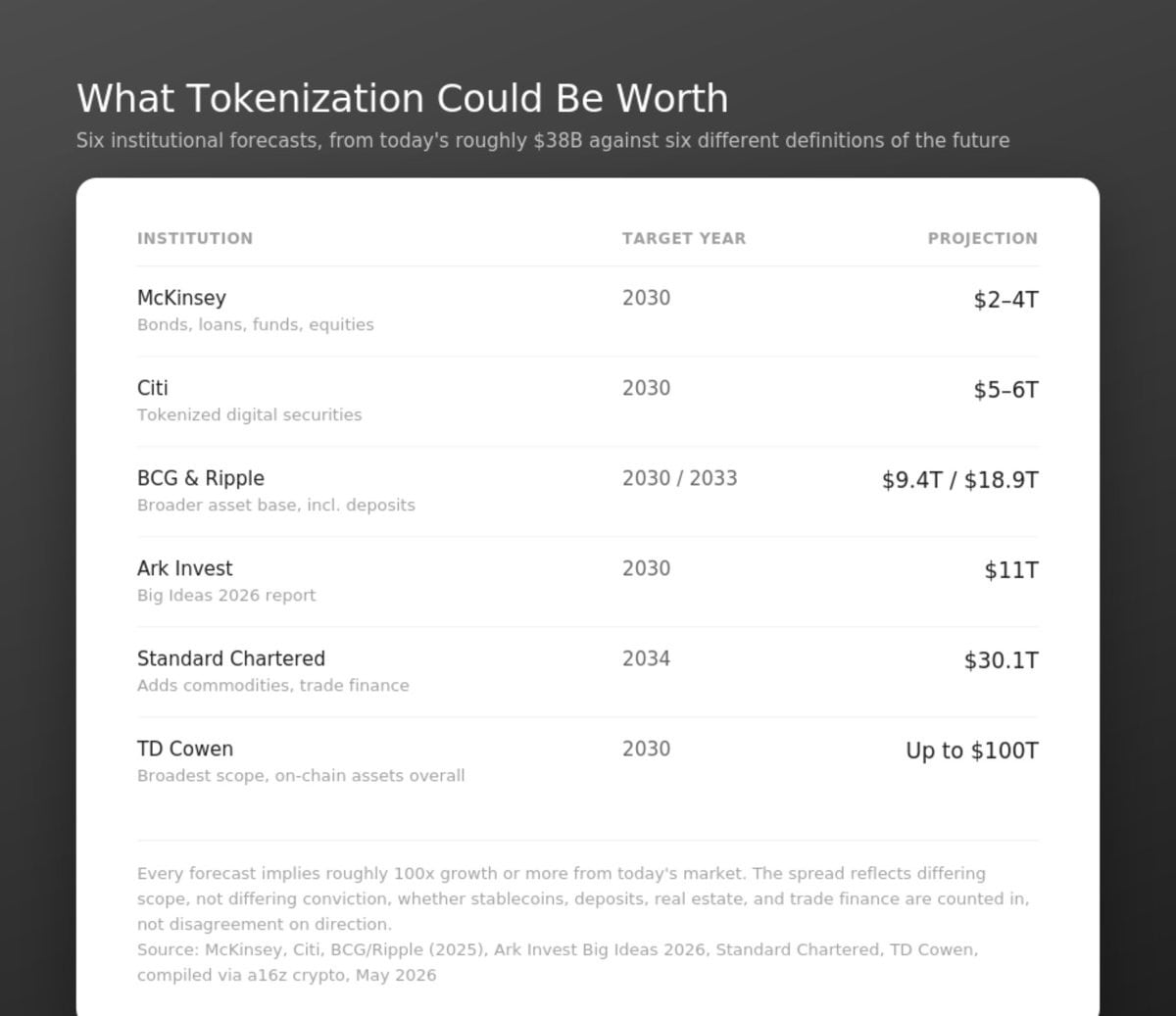
The numerical discrepancies do not essentially represent disagreements over growth; everyone predicts that the market scale will expand a hundredfold from its current state. The discrepancies arise from statistical criteria: whether stablecoins are included, whether bank deposits are included, and how the boundaries of tokenization definitions are delineated.
Institutions both recognize growth expectations and maintain caution. A January 2026 survey by Coinbase and Ernst & Young of 351 institutional decision-makers showed that 73% plan to increase digital asset allocations within the year, and 65% regard regulatory clarity as a primary driver. At the same time, 66% of respondents listed regulatory uncertainty as the biggest risk. The core conditions driving capital entry remain unresolved.
Another survey by Ernst & Young indicated that institutions are reluctant to wait for regulations to land: 83% of institutional investors plan to allocate to tokenized bonds by the end of 2026, compared to only 33% two years ago.
Changes are reflected in the underlying infrastructure rather than merely remaining in survey questionnaires. In February 2026, BUIDL integrated with UniswapX to enable direct trading; in March, it connected with the Chronicle verification system, allowing anyone to verify BlackRock’s underlying treasury bond holdings in real-time using Bank of New York Mellon custody records. The Sky ecosystem’s Spark liquidity layer automatically allocates $1.5 billion in funds, switching between BUIDL, Anemoy, and Superstateinc, directing resources in real-time to the most yield-generating targets — a task previously reliant on manual intervention by trading personnel.
DWF Labs founder Andrei Grachev believes that tokenized stocks have already reshaped trader behavior. Crypto investors can switch to stock assets without leaving their existing trading platforms and predict significant growth in the scale of on-chain stocks and commodities this year. Artem Tolkachev from Falcon Finance straightforwardly articulated this mechanism: composability and redemption mechanisms are essential to truly bridge physical assets and crypto liquidity.
The industry is developing two diverging routes: one prioritizes ownership compliance, establishing access channels where tokens operate entirely within compliance boundaries; the other prioritizes composability, packaging compliant assets like BUIDL to allow for free circulation within permissionless DeFi ecosystems.
This can be seen as a battle between RWA 1.0 and RWA 2.0, but it is no longer merely a theoretical discussion, rather a competitive product roadmap. Earlier this year, Circle’s USYC surpassed BlackRock’s BUIDL in scale, becoming the largest tokenized treasury bond fund, indicating a temporary advantage for the latter in terms of distribution, though brand influence is another matter.
RWA 1.0: Simply mapping physical assets, supporting only buying, holding, and redeeming, with Aspen Ridge hotel tokens and early Maple lending pools belonging to this paradigm. RWA 2.0: Continually generating utility from physical assets. In Q2 2026, the scale of tokenized real assets deposited in various DeFi platforms reached $7.4 billion, over double the previous year, with yield-oriented stablecoins and tokenized treasury bonds being the highest proportion. Maple's syrupUSDT is already operational in Mantle through integration with Aave, with the infrastructure for real capital circulation already established.
免责声明:本文章仅代表作者个人观点,不代表本平台的立场和观点。本文章仅供信息分享,不构成对任何人的任何投资建议。用户与作者之间的任何争议,与本平台无关。如网页中刊载的文章或图片涉及侵权,请提供相关的权利证明和身份证明发送邮件到support@aicoin.com,本平台相关工作人员将会进行核查。


