
Author: Nancy, PANews
Global AI stocks have crossed into a dark moment, finally welcoming a long-awaited collective counterattack. However, “AI stock god” Leopold Aschenbrenner has fallen before dawn.
According to recent reports from foreign media, Leopold's hedge fund Situational Awareness suffered a heavy blow during the severe pullback in AI stocks, with most of its stock portfolio being taken over by Citadel.
In the high-leverage capital game, this rising star investor met his downfall on Wall Street just two years after founding the fund. The so-called cognitive advantages, connections, and even the benefits of the times ultimately could not escape the reckoning of deleveraging and the storm of liquidity.
Falling on the eve of the rebound, Citadel secures a $10 billion bloody stake
The story continues, but the position is gone.
On July 30, the Financial Times reported that due to severe losses caused by the previous sharp pullback in AI-related stocks, Leopold's hedge fund Situational Awareness is seeking additional funds from investors, while also opening options for some investors to purchase fund portfolio assets.
In a letter sent to investors on July 24, Leopold admitted that the fund “could not escape” the recent market fluctuations, particularly affected by the decline in Asian tech stocks. However, he believes that this round of pullback has instead created the most attractive investment opportunity since early 2025, encouraging investors to add funds before August 1.
He wrote in the letter, “If you have been waiting for the right moment to increase your position, now may be that moment.”
However, the market did not develop according to his script. This week, AI stocks continued their downward plunge in a self-destructive manner.
The Wall Street Journal reported, citing informed sources, that Situational Awareness urgently negotiated with several large institutions, including multiple large multi-strategy funds such as Millennium, which participated in bidding, while major brokers such as Goldman Sachs and JPMorgan Chase took part in coordinating asset sales.
Eventually, on July 30, news surfaced that billionaire Ken Griffin’s investment firm Citadel finalized a deal to take over most of the fund’s publicly traded stock holdings. It is reported that the transaction involves about $16 billion in listed stock assets, making it one of the largest emergency asset sales on Wall Street in recent years.
A few months ago, Situational Awareness was one of Wall Street’s star AI hedge funds. In less than two years, with just eight members, the fund's management scale grew from an initial $5.5 billion to over $45 billion. By the end of June this year, the fund's net return rate in the first half reached as high as 439%.
Meanwhile, in the spotlight, Leopold was also regarded by the market as the new generation of investment star in the AI era. The 165-page AI blockbuster prediction document “Situational Awareness,” his genius youth persona, the dramatic experience of being fired by OpenAI, top networking resources, and the astonishing fund returns made the 25-year-old Leopold an object of “copying homework” by Wall Street institutions and retail investors, with his holdings being repeatedly studied by the market.
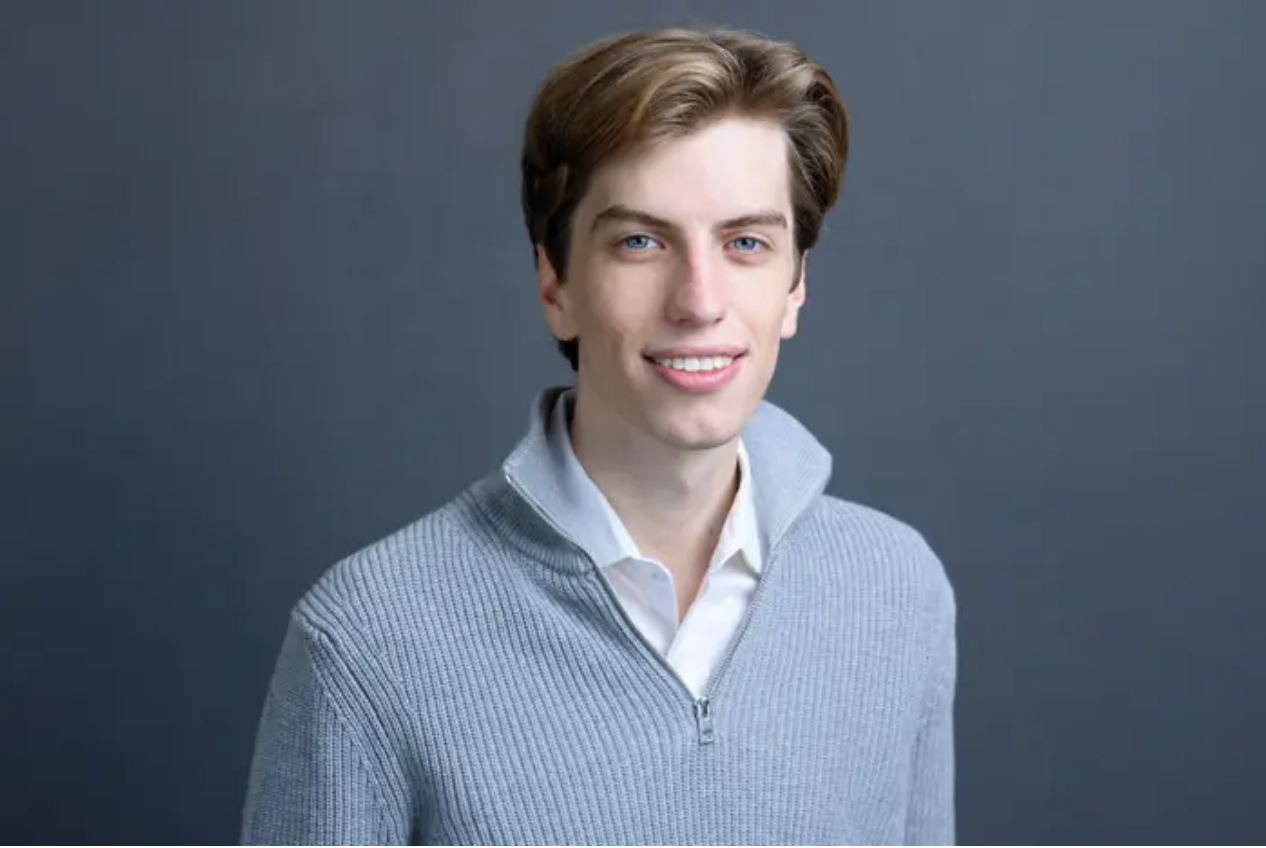
However, Mr. Market ultimately gave this AI investment rising star a lesson. Although the AI stock market has violently rebounded at present, this firm believer in the AI narrative ultimately became the most brutal victim of this round of pullback. Currently, the assets of Situational Awareness have fallen back to about $10 billion.
However, Leopold has not left the table; his fund continues to operate and retains a large amount of private assets, including about $5 billion in Anthropic equity, while holding some positions in the public market.
Meanwhile, Leopold’s fiancée, Avital Balwit, whom he was originally scheduled to marry this weekend, is the chief of staff to Anthropic CEO Dario Amodei, which has also drawn attention to whether this young investor can leverage this relationship for a comeback in the future.
The fall of the stock god raises speculation, AI gamble falls into leverage trap
When a young, high-profile AI star fund, once fervently pursued by retail investors, falls into crisis and ultimately transfers a large portion of its positions to Wall Street veterans, the other main character in the story, known as the vulture, Citadel Securities, also quickly sparked many speculations in the market.
On one hand, Citadel has long been adept at acquiring assets from forced sellers, which has become one of its signature operations. When other hedge funds or institutions are forced to urgently sell due to massive losses, margin calls, or liquidity crises, Citadel often can quickly step in to acquire large amounts of assets at discounted prices and profit from them.
Historically, similar cases are not uncommon. For example, in 2006, Amaranth Advisors was forced to sell its energy portfolio due to huge losses in natural gas trading, and Citadel subsequently acquired the related assets; in 2007, Sowood Capital fell into trouble due to margin pressure and liquidity crisis, and Citadel acquired nearly all of its credit portfolio at a huge discount; that same year, Citadel also provided financial support to the struggling E*Trade and took over some of its problematic assets. Now this scene has once again played out with Situational Awareness, and after acquiring at a low price, the market experienced a significant rebound.
Citadel acts like a patient hunter, waiting for the prey to appear. What has sparked market discussions is that Citadel's affiliated company, Citadel Securities, seems to have played a role in indirectly accelerating the market collapse.
Just this Wednesday, on the eve of the Federal Reserve’s rate decision, Citadel’s macro strategy chief Frank Flight pointed out in a report that the new Fed Chair Kevin Warsh is more inclined to strengthen anti-inflation credibility through an unexpected rate hike, ending the previously excessive reliance on “forward guidance,” and re-establishing central bank independence. In a sensitive window where AI-related stocks were already fluctuating significantly and leveraged funds were under pressure, this anticipation of an “unexpected rate hike” was seen by some market participants as an additional catalyst for panic. However, the Federal Reserve ultimately kept rates unchanged.
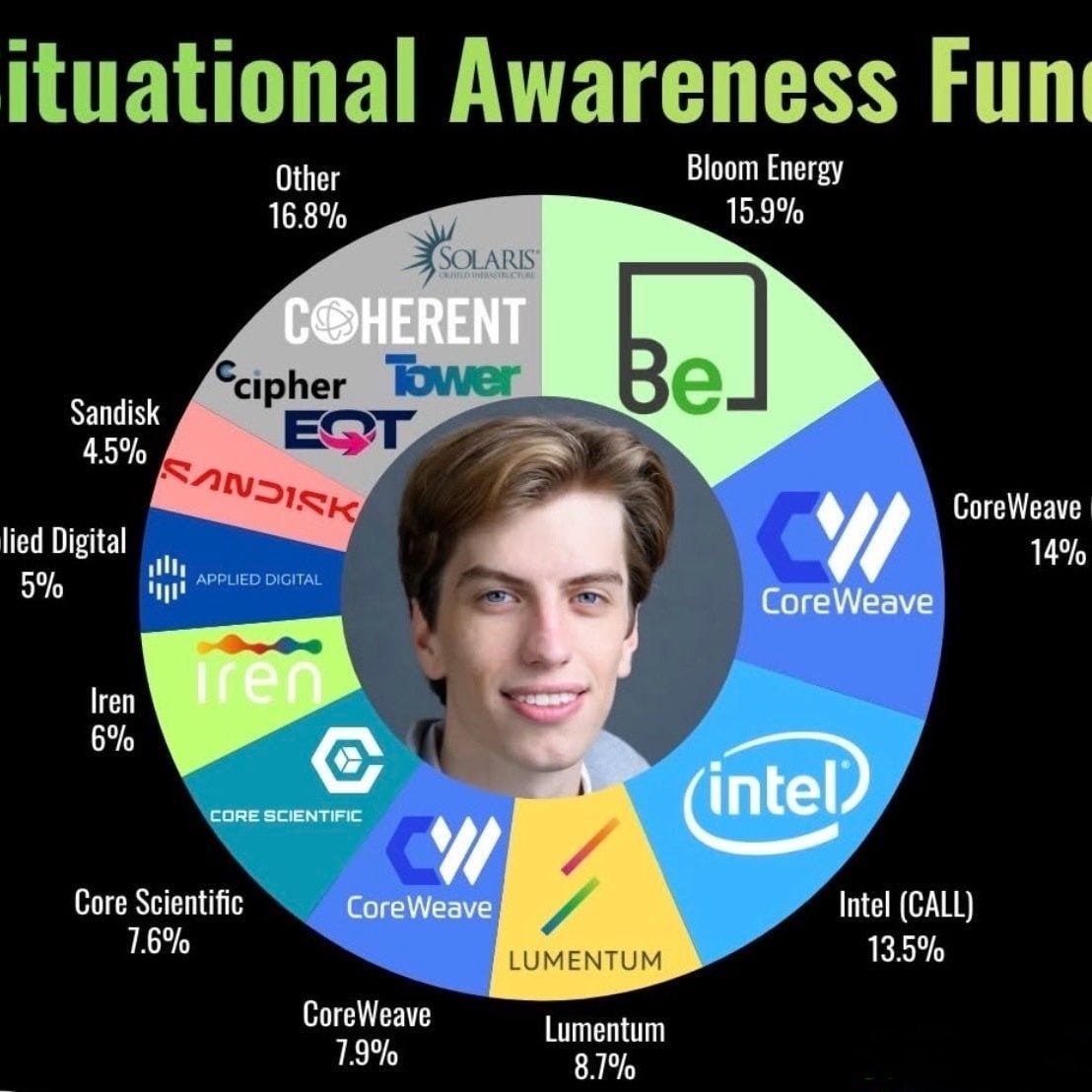
However, what truly led to Leopold’s downfall was the highly concentrated betting on the sector, compounded by the risks amplified by leverage. Over the past two years, Situational Awareness had nearly all its chips bet on the AI industry chain, using approximately 4x leverage to amplify profits. In an upward cycle, leverage served as a profit accelerator, helping create astonishing returns and contributing to the “AI stock god’s” market halo. But as the market turned, the same leverage became a deadly weapon. The AI data centers, power, storage, and GPU cloud-related targets heavily invested in by the fund saw significant declines during this round of AI retreat, leading to a rapid trigger of margin calls, forcing them to urgently sell off most positions. Moreover, Leopold's fund was also shorting the AI-downgrade software stocks, which rebounded when AI stocks fell, essentially getting hit from both sides.
To some extent, Citadel’s urgent intervention also reduced the potential chain sell-off risk in the market. By quickly taking over a large number of positions at discounted prices, it avoided further price declines caused by forced sellers during liquidity exhaustion and, to some extent, cushioned wider panic and market impact.
In fact, the risks are not unique to Situational Awareness. Recently, a report released by Goldman Sachs to clients pointed out that the cumulative increase in total leverage of hedge funds over the first five months of this year is the largest expansion recorded since they began tracking this data in 2016. The sell-off triggered by the reversal in the AI market has set off leveraged alarms. According to a recent report from the Financial Times, multiple banks have required funds with highly concentrated holdings in specific industries to provide additional collateral.
Ironically, Leopold mentioned in a 2024 interview that avoiding collapse is the first and second priority. Betting on AGI not only requires judgment on the right direction but also the ability to withstand shocks from short-term individual errors, as well as to accurately time and sequence bets. However, from a profit of 439% in the year to the explosion and sale of a $10 billion asset, he took about a month.
This epic defeat may be the most brutal lesson that Leopold has encountered. He saw the future of AI but underestimated the power of market fluctuations. Those who can truly traverse cycles rely not only on their ability to foresee the future but also on risk control, emotional management, and the discipline to survive in extreme market conditions. Especially when dancing on the edge of a leveraged blade, even if the direction is correct, one may still fall halfway.
免责声明:本文章仅代表作者个人观点,不代表本平台的立场和观点。本文章仅供信息分享,不构成对任何人的任何投资建议。用户与作者之间的任何争议,与本平台无关。如网页中刊载的文章或图片涉及侵权,请提供相关的权利证明和身份证明发送邮件到support@aicoin.com,本平台相关工作人员将会进行核查。


