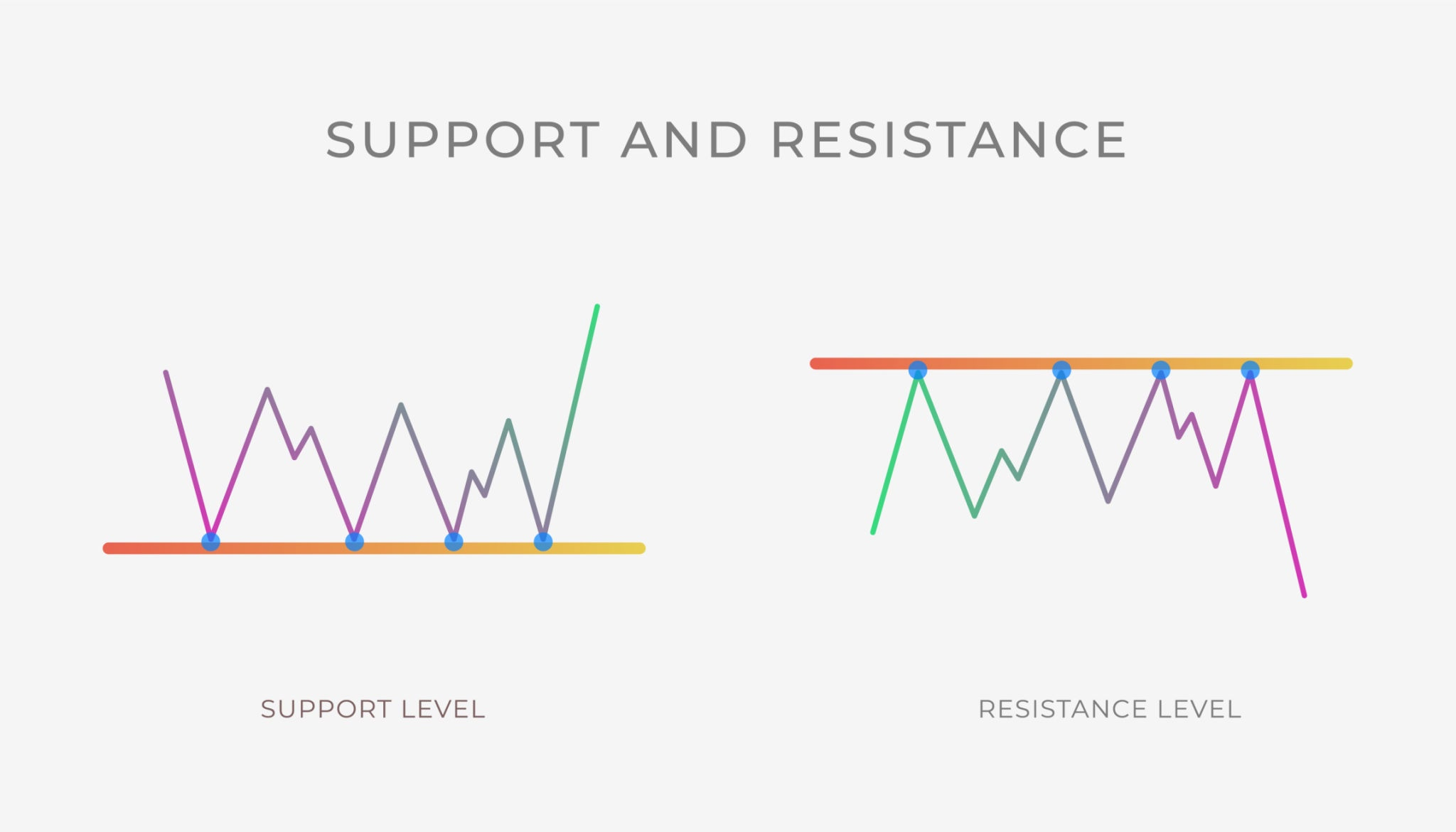
From July 28 to 30, 2026, forces from two directions nearly simultaneously tore the industry into two distinctly different halves: on one side, ARK Invest researcher Lorenzo Valente defined the current phase as "the largest consolidation in history," where he perceives revenues visibly consolidating toward leading protocols such as Hyperliquid and Pump.fun; on the other side, regulatory barricades are raising the walls—Hawkins County in Tennessee passed a second ban with a unanimous 12-vote decision, outright rejecting the establishment, expansion, and operation of new crypto mining facilities and data centers in non-consolidated areas, while in South Korea, Kim Sang-hoon and 15 other lawmakers submitted an amendment to the Specific Financial Information Act, proposing to grant the Financial Intelligence Unit the power to freeze suspicious accounts related to illegal assets for up to 30 days, along with a maximum fine of 100 million Korean Won for non-compliance. Beyond the macro narrative, the blockchain is providing more specific footnotes: relevant addresses of HyperLabs initiated the unstaking of 433,000 HYPE tokens, approximately $23.45 million, in late July, entering a 7-day waiting period, while Multicoin Capital and Bitwise collectively deposited nearly 160,000 HYPE into Coinbase, with Multicoin alone deploying about $7.51 million. These undisclosed adjustments of major positions, in conjunction with the judgment of revenues concentrating towards a few protocols, have transitioned "accelerated consolidation" from a macro assertion to chain-related actions that can be tracked, putting the increasingly fierce "game between leading protocols and regulation" into a pressing question that must be answered today.
Who is at the center of the largest consolidation mentioned by ARK
In Lorenzo Valente's narrative, "the largest consolidation in history" is not a wave of mergers and acquisitions on the valuation sheet but a silent migration in revenue ledgers: in the increasingly rigorous investor screening of 2026, those that can truly continue to keep various revenues such as transaction fees, issuance fees, and market-making subsidies within the protocol are shrinking from a long list of projects down to a few names. The briefing did not provide any data on the proportion of leading revenues, but the direction is clear—financial backers are no longer buying into the story of "maybe it'll grow", but are instead focusing on protocols that have already proven stable revenue models, putting more positions and more patience into them.
Hyperliquid and Pump.fun are indeed representatives of this round of consolidation. The former occupies an important position in contract and derivative scenarios, where depth, risk control, and product iteration reinforce the flywheel of "the bigger, the safer; the safer, the bigger". More trading activities are willing to be conducted under the same matching and clearing logic, naturally pushing allocable protocol revenues toward a few leading protocols. Pump.fun has seized the "default starting point" mindset in the meme issuance narrative, where new coins must tell a story, often completing issuance and early battles on its routing, which binds many long-tail projects from inception under this issuance gateway. The problem is, as the winner-takes-all pattern continues to extend and mid to long-tail protocols on-chain are marginalized, innovation is either forced to "plug in" within the interfaces and rules set by leading protocols or can only experiment in smaller, riskier corners. Consequently, the diversity of the ecosystem is compressed, and the optional paths for the future of the industry are quietly dwindling.
From mining bans to account freezes: regulations begin to tighten
While protocols are growing stronger on-chain, the "power and data centers" are being drawn away piece by piece offline. In September 2025, Hawkins County in Tennessee controversially introduced the first ban aimed at crypto mining due to the ExoticRidge mining project, and now in late July 2026, the county takes another step by passing stricter rules with a unanimous 12 votes: in non-consolidated areas of the county, the establishment, expansion, and operation of crypto mining facilities and data centers are prohibited. This time, the scope of application has been notably widened, yet specific punitive clauses have not been disclosed, sending a clearer signal—that at the local level, decision-makers are no longer entangled in "how to regulate" but rather outright exclude high-energy, high-noise infrastructures that conflict with local voters' interests.
Compared to this blunt top-down ban focusing on "land and power meters", South Korea is taking a different regulatory path in the same window of time: tightening the chain along account and compliance submissions. South Korean lawmaker Kim Sang-hoon, along with 15 others, proposed an amendment to the Specific Financial Information Act, aiming to grant the Financial Intelligence Unit (FIU) the authority to freeze suspected illegal virtual asset accounts for up to 30 days, with a maximum fine of 100 million Korean Won for related institutions or parties failing to execute the freeze order. The bill is still in the proposal stage and does not yet have a public timetable for review, but from the design of the provisions, it is evident that it targets money laundering and suspicious transactions, intending to put risk disposal tools at the account level into the hands of anti-money laundering agencies. The local planning and electricity licensing effectively keep mining operations out, while the national level maintains a "main switch" within the financial system; the result of this tightening from both sides is that industry consolidation is no longer solely driven by technology and market forces, but is forced to reorganize itself on a more fragmented compliance map. Only those leading participants capable of cross-regional layouts and bearing high compliance costs will have the true time and space to continue expanding amid this wave of regulatory encirclement.
Unstaking of HYPE and institutional deposits: on-chain footnotes of leading protocols
Within the same time frame of the regulatory map being redrawn, the chips of leading protocols are subtly shifting on-chain. According to on-chain data compiled by AiCoin and single-source reports, HyperLabs associated addresses initiated an unstaking operation in late July 2026, totaling 433,000 HYPE tokens, valued at approximately $23.45 million at the time, transitioning from a locked position to "pending unlock" status with a 7-day waiting period. For protocols identified by ARK researchers as experiencing accelerating revenue concentration, such a substantial volume of pending unlock tokens will likely be closely monitored by the market before and after the locking ends: on one hand, it reserves more flexible chip scheduling space for the team or ecosystem; on the other hand, against a backdrop of tightening regulations and rising compliance costs, how project parties rebalance security of treasury, expected token sell pressure, and long-term incentives will be directly written into this round of industry consolidation's script.
Almost synchronously with the project's unstaking, institutional sides have also provided their own on-chain footnotes. According to single-source reports and on-chain tracking, Multicoin Capital deposited 137,100 HYPE into Coinbase in late July, about $7.51 million, while Bitwise also deposited HYPE into Coinbase during the same period, bringing the total to nearly 160,000 tokens for both firms. Depositing into centralized trading platforms does not equate to inevitable selling; it remains undisclosed whether these tokens will be sold, continue to be used for staking, or be invested for market-making and other strategies. Without evidence, we can't supplement the intentions of these institutions. However, viewing these substantial deposits alongside HyperLabs' unstaking and ARK's description of "revenues concentrating towards a few protocols" within the same timeframe provides clearer insight: the tokens of leading protocols are being actively managed by a few participants capable of bearing compliance and volatility risks. The short-term trend awaits further verification through subsequent on-chain behavior, but it is already clear which entities possess the rights and patience to adjust their chips during this regulatory siege, as evidenced by these addresses and transaction paths.
Wall Street and tech giants are rushing to build data centers, contrasting crypto infrastructure
Tracing upstream along the question of "who controls the chips", capital is betting significantly on computing power and cloud infrastructure. In late July 2026, according to single-source information, Goldman Sachs is tentatively planning to issue about $5.4 billion in debt for Microsoft-associated data centers, with approximately $4.9 billion as secured bonds and about $500 million as term loans, and the funds are clearly directed—toward data centers needed for AI and cloud computing, not any facilities related to crypto mining. Wall Street is keen to provide high leverage for these "compliant and collateralizable" physical nodes, indicating that in their view, the cabinets, power, and fiber optics supporting large models and enterprise cloud services are much more worthy of long-term bets than using computing power to validate blocks on the chain.
The actions of tech giants reflect this trend. ByteDance is internally integrating its product lines of Feishu and Doubao, consolidating office collaboration with large model applications, preparing at an organizational level for the future bundled sale of "cloud + model + workflow"; meanwhile, the Dark Side of the Moon has completed its shareholding reform and changed its business registration, transforming its R&D team into a standard corporate form that can interface with external financing and regulatory frameworks. On one side, the AI and collaborative office sectors are bringing physical infrastructure and applications into mainstream capital order through structured equity and debt; on the other side, Hawkins County in Tennessee first imposed a ban on specific mining companies in 2025, and later in late July 2026, passed a broader second ban with a unanimous 12 votes, directly prohibiting the construction or expansion of crypto mining facilities and data centers in non-consolidated areas. Both are "data centers", but data centers serving large models are designed as collateral for bonds and equity, while those serving on-chain accounting are excluded from compliance on the local level. Where infrastructure should be built and whom it should serve are being redrawn with two completely different attitudes by regulation and Wall Street.
The surviving questions of the consolidation period: which steps to watch next
The revenue and discourse power of leading protocols continue to concentrate in a few platforms like Hyperliquid and Pump.fun, with regulatory encirclement from local to national levels accelerating from the two mining bans and ban on data centers in Hawkins County to the FIU in South Korea's proposal for 30-day account freeze rights. Meanwhile, Goldman Sachs is planning about $5.4 billion in debt for Microsoft’s data centers, ByteDance is integrating Feishu and Doubao, and the Dark Side of the Moon has completed its shareholding reform, indicating that traditional technology and large model infrastructure are being recognized by capital and regulation as "qualified assets". Amidst this intertwining of three forces, at least three groups of variables warrant close attention: first, how far the trend of revenue and users continuing to concentrate among leading protocols—as pointed out by ARK—will go, whether the industry will form an oligopolistic structure or new traffic entry points will emerge in new tracks; second, if local bans like that in Hawkins County and regulatory tools like the amendment in South Korea will replicate in more states and countries, further redrawing the compliance geographic map for computing power, data centers, and on-chain business; third, the on-chain operational rhythms of leading protocol tokens represented by HYPE—like HyperLabs unstaking 433,000 HYPE entering the waiting period, Multicoin and Bitwise depositing nearly 160,000 HYPE into trading platforms—how these will be relayed or hedged by different stakeholders in the coming weeks, though specific purposes remain unclear, they already form a sample for observing the adjustment of chips and governance structures during the consolidation period. For project parties and investment institutions, the subsequent responses resemble a multiple-choice question: distinguishing high-intensity regulatory regions from experimental markets in business layout, proactively aligning product positioning with narratives recognized by regulation and capital, reserving compliance redundancies in on-chain addresses, account structures, and business lines in risk management. Those who can maintain a verifiable compliance trajectory and clear product boundaries at the intersection of leading concentration, regulatory implementation, and infrastructure repricing will truly qualify to emerge from this period of consolidation.
Join our community, let’s discuss and grow stronger together!
AiCoin exclusive Hyperliquid benefits: https://app.hyperliquid.xyz/join/AICOIN88
AiCoin exclusive Aster benefits: https://www.asterdex.com/zh-CN/referral/9C50e2
On-chain Telegram community: https://t.me/AiCoinWhaleData
On-chain community: https://www.aicoin.com/link/chat?cid=N6OVMor5g
AiCoin on-chain Twitter: https://x.com/aicoinwhaledata
免责声明:本文章仅代表作者个人观点,不代表本平台的立场和观点。本文章仅供信息分享,不构成对任何人的任何投资建议。用户与作者之间的任何争议,与本平台无关。如网页中刊载的文章或图片涉及侵权,请提供相关的权利证明和身份证明发送邮件到support@aicoin.com,本平台相关工作人员将会进行核查。