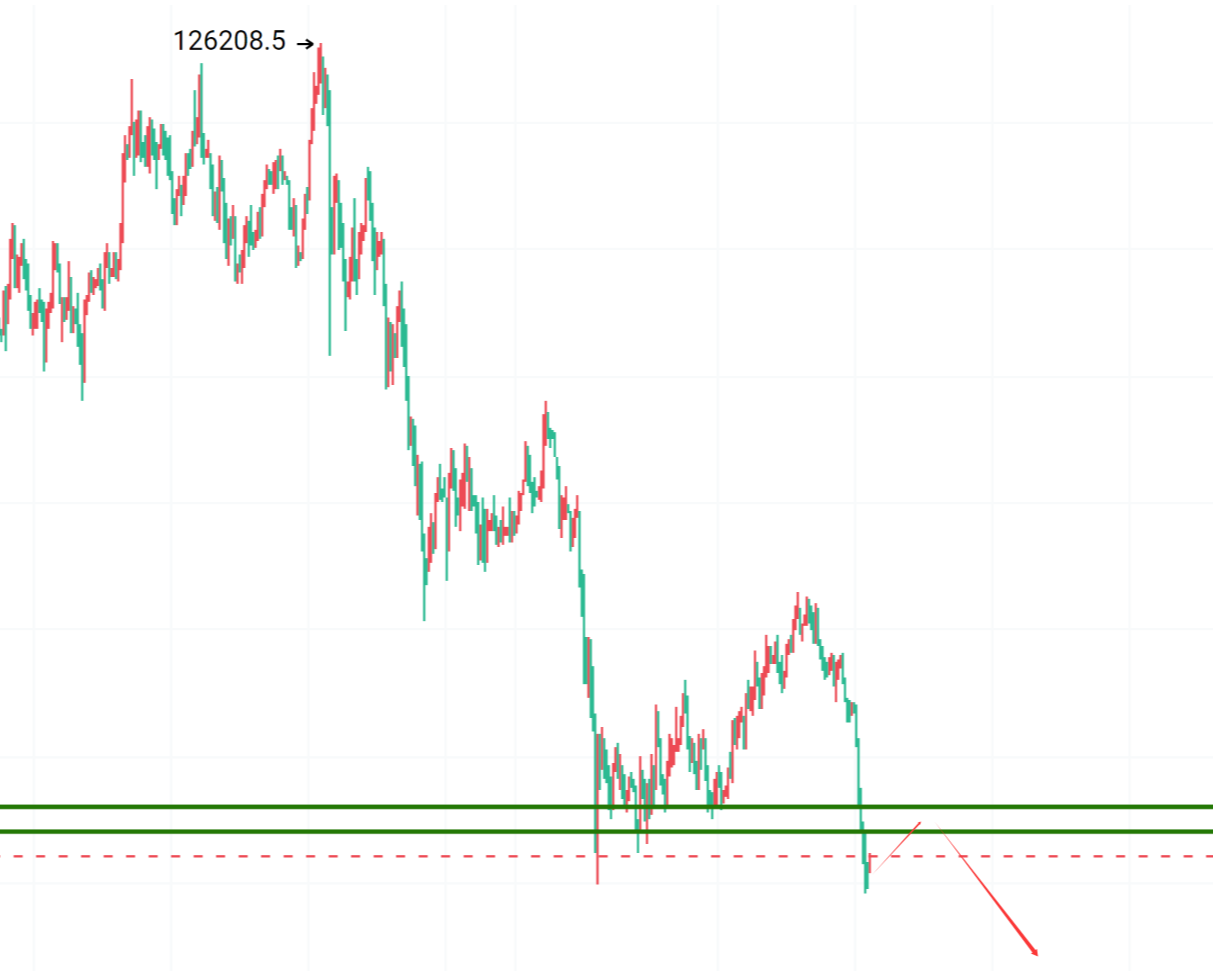
1. Market Crash: Bitcoin falls below $67,000, hitting a nearly two-month low, with a minimum intraday price of $65,385.
2. Mass Liquidation: In the past 24 hours, 278,100 people globally faced liquidation, totaling $1.78 billion, of which long positions accounted for 90%, reaching $1.597 billion, with the largest single liquidation at $27.49 million.
3. Institutional Faith Collapse: Strategy (formerly MicroStrategy) disclosed for the first time that it sold 32 Bitcoins (approximately $2.5 million), breaking the market myth of "only buying and not selling" since 2022.
4. ETF Funds Continue to Exit: U.S. Bitcoin spot ETFs have seen net outflows for 11 consecutive trading days, totaling approximately $3.45 billion, breaking the record for the longest continuous outflow in history, with BlackRock's IBIT seeing a single-day outflow of $528 million.
5. Geopolitical Conflicts Escalate: On June 2, the U.S. and Iran attacked each other again, with the U.S. conducting airstrikes on Iran's Qeshm Island and Iran attacking the U.S. Fifth Fleet headquarters.
6. Macroeconomic Pressures Intensify: Cleveland Fed President Harker stated that if inflation worsens, interest rate hikes may need to be resumed, and the number of job openings in the U.S. reached its highest in nearly two years in April.
II. Market Impact
- Market Capitalization Vaporized: The total market capitalization of cryptocurrencies evaporated by approximately $176 billion in a single day, falling to about $2.37 trillion.
- Bitcoin Nears Halving: Compared to its historical high of $126,000 on October 12, 2025, it has cumulatively corrected by 47.3%, with a decline of over 20% within 2026.
- Capital Concentration at the Top: Bitcoin's market share increased to 56.01%, with altcoins experiencing more severe sell-offs.
- Sentiment at Ice Point: The Fear & Greed Index dropped to 11, entering the "Extreme Fear" range, the lowest since November 2025.
- U.S. Stocks Transmission: Overnight, U.S. stock market crypto-related stocks collectively declined, with Coinbase falling nearly 5%, and Strategy plummeting over 9%.
- Stablecoin Risk Hedge: Tether and USD Coin recorded slight increases, indicating capital seeking to preserve value rather than exit completely.
Core Reasons for Decline
1. Quadruple Bearish Resonance: Strategy's sale breaks faith + Continuous ETF outflow + Middle East geopolitical risk + Fed interest rate hike expectations.
2. Technical Breakdown Triggers Chain Liquidation: Bitcoin breaking the critical support of $68,000 triggered a large number of stop-loss orders and leveraged liquidations, forming a vicious cycle of "decline - forced liquidation - further decline."
3. Exhaustion of Incremental Capital: Institutional OTC trading participation dropped to low levels, with AI and semiconductor sectors diverting a large amount of risk preference capital.
4. Regulatory Uncertainty: The U.S. SEC has listed digital assets as a regulatory priority for the 2026-2030 fiscal year, and the passage of the CLARITY Act still has variables.
Type-Based Operational Strategies
1. Short-term Traders (Intraday/ Swing)
- Absolutely Forbidden to Chase Short: The current market has entered a seriously oversold range, a violent rebound could occur at any time.
- Key Position Operation: $65,000 is a strong support level for Bitcoin. If it effectively holds, one can take a light position (5%-10% of capital) to bet on a rebound, targeting $68,000-$70,000.
- Strict Stop-Loss: If it effectively falls below $65,000, the next support level is $60,000; immediately stop-loss and exit.
- Leverage Control: Recommended leverage ratio ≤2 times; in extreme market conditions, it is best not to use leverage.
2. Medium to Long-term Investors (holding for more than 3 months)
- Dollar-Cost Averaging: Start accumulating Bitcoin in the range of $65,000-$70,000, adding every 5% drop.
- Focus on Top Coins: Only allocate to Bitcoin and Ethereum, the two currencies with the strongest downside protection in bear markets and the most assured gains in bull markets.
- Position Management: Total cryptocurrency holdings should not exceed 30% of investable assets, keeping enough cash to respond to further declines.
- Bottom Signal: When ETF funds have net inflows for three consecutive trading days and the Fear & Greed Index rises above 30, increase investment.
3. Those Who Are Underwater
- Do Not Panic Sell: Historical data shows that selling when the Fear & Greed Index is below 20 leads to over 90% selling at the lowest point.
- Immediate De-leveraging: Clear all leveraged positions to avoid forced liquidation; this is the first rule of survival in a bear market.
- Adjust and Switch Coins: Concentrate holdings in Bitcoin and Ethereum, eliminating air coins and smaller coins that lack practical application scenarios.
- Grid Trading to Lower Costs: Set up grid trading in the $65,000-$75,000 range, gradually lowering holding costs by selling high and buying low.
Future Focus Points
1. Bitcoin ETF Fund Flows: This is the most important indicator right now; three days of continuous net inflows may signal a bottom.
2. U.S. Federal Reserve June Meeting (June 17-18): Pay attention to the interest rate decision and Powell's statements on the interest rate path.
3. Middle East Situation Development: Whether U.S.-Iran conflicts escalate further and whether they affect global energy and inflation.
4. Progress on the CLARITY Act: If passed by the Senate, it will provide a clear framework for U.S. crypto regulation.
5. Mt. Gox Repayment Progress: The release of approximately 140,000 Bitcoins may cause short-term selling pressure.
[We invite you to join the crypto community group]
Scan to join Safew

免责声明:本文章仅代表作者个人观点,不代表本平台的立场和观点。本文章仅供信息分享,不构成对任何人的任何投资建议。用户与作者之间的任何争议,与本平台无关。如网页中刊载的文章或图片涉及侵权,请提供相关的权利证明和身份证明发送邮件到support@aicoin.com,本平台相关工作人员将会进行核查。