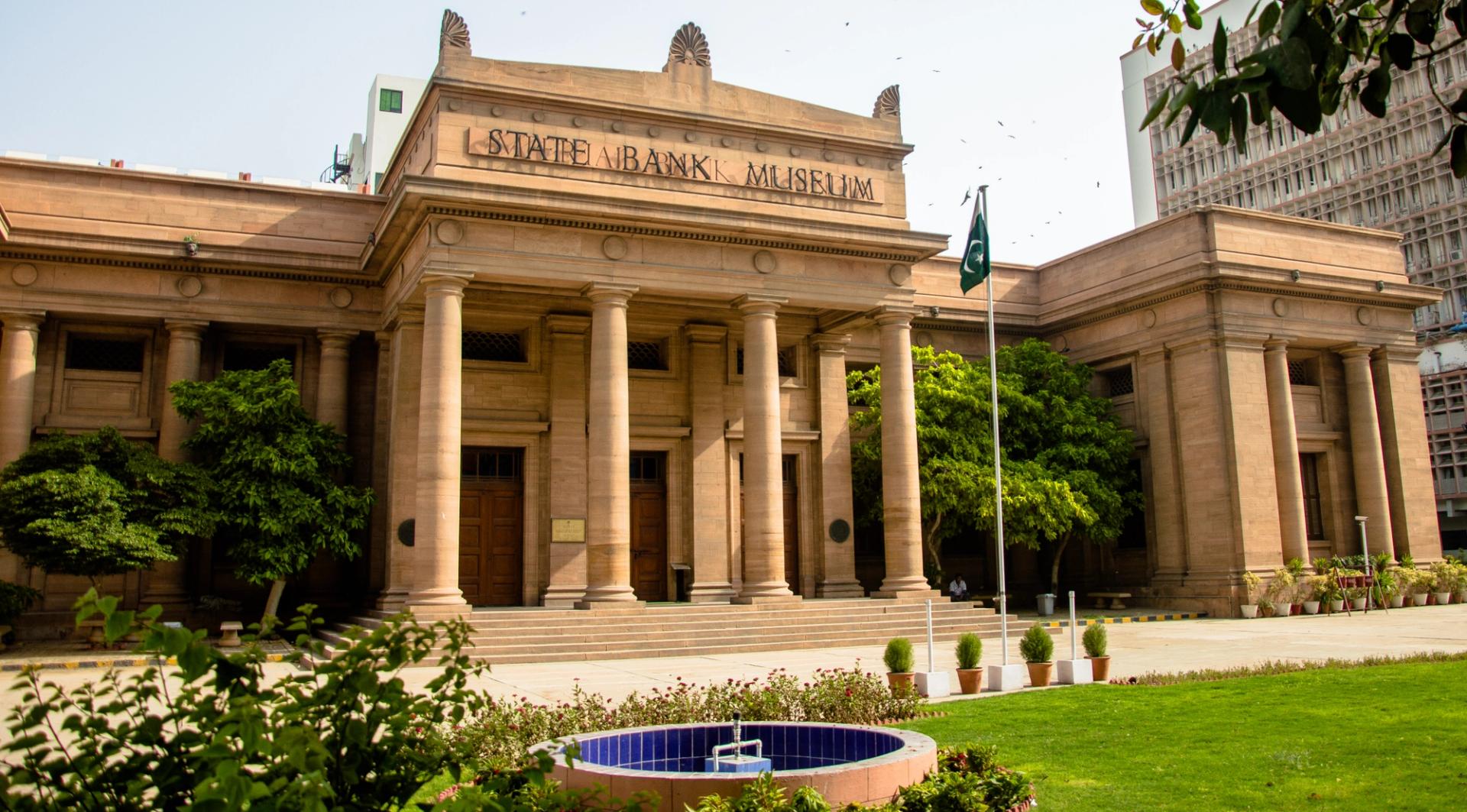
What to know : Pakistan’s central bank has lifted its blanket ban on crypto services, allowing banks and financial institutions to serve licensed crypto firms under a new regulatory framework. While banks may open accounts for virtual asset service providers approved by the Pakistan Virtual Asset Regulatory Authority, they remain barred from trading, investing in or holding crypto with their own funds or customer deposits. The move follows the 2026 Virtual Assets Act and comes as Pakistan, already one of the world’s largest retail crypto markets, pursues plans for tokenized state assets, expanded Bitcoin mining and a national stablecoin.
Pakistan’s central bank notified all banks and financial institutions in the country that the ban on providing crypto services has been lifted.
However, according to the new state bank rules, banks are banned from investing, trading or holding crypto assets using their own funds or customer deposits.
The State Bank of Pakistan’s move follows the recent enactment of the 2026 Virtual Assets Act, which establishes Pakistan’s Virtual Asset Regulatory Authority (PVARA to license, regulate and supervise the sector.
The central bank replaced its 2018 ban on crypto with new rules that permit regulated banks and other financial institutions to open accounts for crypto firms approved under PVARA.
Under the new state bank framework, banks can provide services to virtual asset service providers (VASPs) licensed under the new crypto act, as well as to those seeking approval, subject to strict compliance with anti-money laundering (AML), know-your-customer (KYC), and other counter-terrorism financing regulations.
“Subject to strict compliance with the conditions outlined herein, SBP Regulated Entities (REs) may open bank accounts of entities duly licensed by PVARA as Virtual Asset Service Providers (VASPs),” the State Bank of Pakistan said.
The central bank’s rules also set out detailed conditions for onboarding crypto firms, which include mandatory verification of licenses, enhanced due diligence and ongoing supervision of all their transactions.
In December, the government of Pakistan and Binance signed a memorandum of understanding (MOU) allowing the world’s largest crypto exchange by trade volume to explore the tokenization of up to $2 billion in bonds, treasury bills and commodity reserves in Pakistan.
That same month, the Chairman of Pakistan's Virtual Assets Regulatory Authority (VARA), Bilal Bin Saqib, announced in a video interview with CoinDesk his country’s plans to accelerate crypto adoption, leverage Bitcoin mining, and launch a national stablecoin.
Roughly 40 million or about 17% of the Pakistani population are involved in crypto trading, the government said in February. The country is the third-largest crypto market by retail activity, ahead of places like Germany and Japan.
免责声明:本文章仅代表作者个人观点,不代表本平台的立场和观点。本文章仅供信息分享,不构成对任何人的任何投资建议。用户与作者之间的任何争议,与本平台无关。如网页中刊载的文章或图片涉及侵权,请提供相关的权利证明和身份证明发送邮件到support@aicoin.com,本平台相关工作人员将会进行核查。


