On April 15, 2026, the Iranian government publicly stated that it will use alternative ports outside the southern port to circumvent the U.S. blockade arrangements targeting the Strait of Hormuz, in order to maintain the rhythm of crude oil and other foreign trade exports as much as possible. This statement means that the long-term game between the U.S. and Iran over shipping routes is being further brought to the forefront in one of the world's most sensitive energy chokepoints. The Strait of Hormuz carries immense weight in crude oil and natural gas transportation; once "choke points" are established, what spills over is not just oil prices but also the overall risk appetite of the financial markets. On that day, the cryptocurrency market experienced a synchronized shock: RAVE token plummeted about 23% in a single day, while meme tokens fell over 16%. The chain reaction of combined geopolitical risk and weak liquidity is becoming a key clue to understanding the current round of volatility.
Choked at Hormuz: How Iran Breaks Through
In the macro context of the U.S. continuing to impose sanctions on Iran and exert blockade pressure in the Strait of Hormuz, Iran's primary challenge is the sustainability of energy exports and foreign exchange income. As the main export route in the Persian Gulf, any restrictions at Hormuz would force a slowdown in the transportation of Iran's crude oil, petrochemicals, and even some ordinary goods, further compressing its fiscal space and geopolitical maneuvering room. For an economy that is highly dependent on energy exports, such a blockade is not only a military and diplomatic issue but also a survival economic dilemma.
Under this pressure, Iran issued a signal through official channels on April 15, stating it would use "alternative ports" to bypass the Hormuz blockade and maintain the flow of foreign trade. Publicly available information only clearly specifies "outside the southern port," without naming specific ports or disclosing handling capacity, loading and unloading facilities, and security assurance levels. The information is highly restrained, reflecting both Iran's habitual use of "ambiguous spaces" in countering sanctions and the fact that the feasibility of this alternative plan can currently only remain at a macro judgment level.
From the perspective of logistics and energy economy, the alternative port scheme faces multiple uncertainties in capacity, costs, and time. Once Hormuz is no longer directly relied upon as the main channel, whether it is land transport connections, pipeline layouts, or long-distance sea transport, all will increase unit transportation costs, extend delivery timelines, and make insurance pricing more difficult. Whether capacity can handle original export scales, whether infrastructure can complete adaptation in a short time, and whether regional security conditions allow for long-term stable operation are all realities that currently lack specific data support but will inevitably constrain its effectiveness.
Crude Oil Arteries Blocked: Global Energy Tension Intensified
The Strait of Hormuz has long been regarded as the "artery" of global crude oil and natural gas transportation. Many Middle Eastern countries must pass through this narrow waterway for their oil and gas exports to enter Asian, European, and some American markets. Its strategic importance is reflected not only in its high volume as a proportion of global totals but also in the near lack of completely equivalent alternative routes. If there is a problem at Hormuz, market expectations will immediately amplify, creating structural impacts on both spot and forward oil prices.
In the market pricing mechanism, both blockades and detours jointly affect oil price expectations. Blockades reinforce the risk premium of "possible supply interruptions," while detours mean longer transportation distances and slower turnaround cycles, thereby raising unit freight costs and overall expenses. These costs will ultimately be partially passed on to oil prices. Meanwhile, the geopolitical risks faced by shipping companies are rising, requiring insurance companies to reassess rates for war risks and supplementary insurances, while shipping companies may proactively adjust shipping routes to avoid sensitive waters and opt for safer but more distant paths.
For major buyers and oil-producing countries, this situation forces all parties to recalibrate risk hedging and pricing logic. On the buyer's end, refineries and commodity traders are more inclined to increase hedging positions, locking in costs through futures and options, and raising the diversified allocation ratio in spot procurement to reduce dependence on a single channel and single production area. On the one hand, oil-producing countries can benefit from a short-term rise in oil prices, while on the other, they must balance between "price dividends" and "pressured demand," not ruling out the possibility of intervening in market expectations through quota adjustments or verbal guidance to avoid excessive volatility that could harm their medium- to long-term interests.
RAVE Plummets and meme Cools: Emotion Chain Reaction Ignited
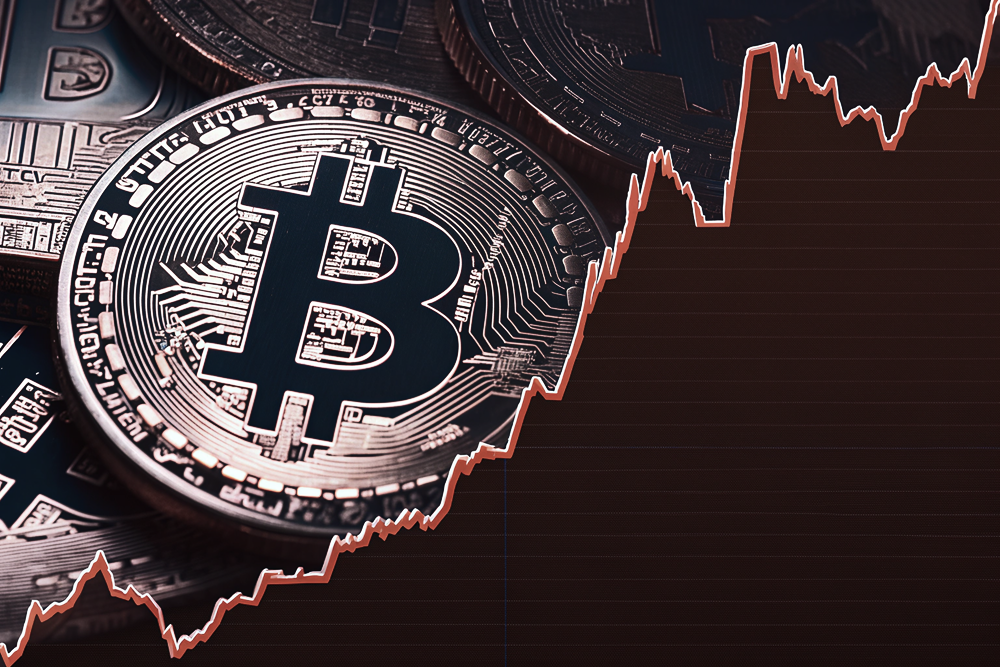
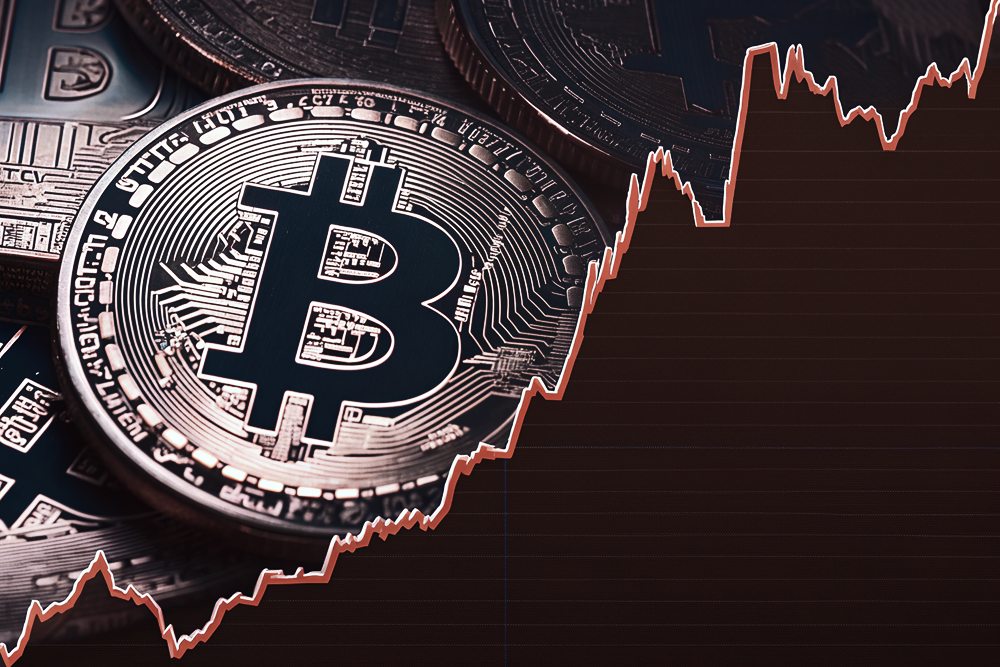
Almost synchronously with Iran's announcement of using alternative ports, a significant risk asset sell-off occurred in the cryptocurrency market that day. According to briefing data, as the news from Iran was reported, RAVE token dropped about 23% in a single day, while the overall drop for meme tokens exceeded 16%. This sector, highly reliant on emotion and liquidity, became the first batch of "sensitive assets" under geopolitical fluctuations.
From the perspective of changes in risk appetite, this synchrony is easy to understand. When macro and geopolitical uncertainties are collectively amplified, funds tend to withdraw from the most flexible and fundamentally weakest sectors first, pulling back chips from high-volatility, high-narrative-dependent tokens. The accelerated decline of RAVE and the meme sector reflects a typical "risk exposure reduction" mechanism: first selling off the most speculative, then considering the repricing of core assets.
More critically, the current round of geopolitical conflict narratives has exacerbated the already fragile liquidity environment of the cryptocurrency market, amplifying the magnitude and speed of price fluctuations. Currently, the overall trading volume and depth of the market have significantly contracted compared to the last two years. When new buying pressures are insufficient and market-making willingness declines, marginal sell orders can more easily break through the order book, triggering chain liquidations and technical crashes. The news of Iran circumventing Hormuz itself may not have a direct and quantifiable fundamental impact on crypto assets, but under the combination of "low liquidity + high uncertainty," it is sufficient to ignite short-term emotions.
Imagining Cryptocurrency Channels in the Gaps of Sanctions
From a longer timeline perspective, Iran has long been in a constrained state within the dollar-dominated global settlement system. This structural constraint has continuously reinforced its motivation to explore alternative settlement channels. Whether seeking to establish cross-border local currency settlement frameworks with friendly countries or attempting to use central bank gold reserves and barter to bypass sanctions, the goal is to maintain the basic foundation of energy and foreign trade while being excluded from traditional clearing networks.
In the current context of port restrictions and pressured energy exports, cryptocurrency assets have a natural theoretical appeal in terms of "value transfer" and "circumventing controls." On-chain assets do not rely on a single sovereign settlement system for cross-border movement, and peer-to-peer transfers do not require going through commercial banks and traditional payment networks, thus, on an imaginative level, providing a "parallel channel" for countries under sanctions. For those financially blocked, this decentralized infrastructure seems to align closely with their real challenges.
However, from a practical operational perspective, countries like Iran face stringent constraints in actually using cryptocurrency assets on a large scale. First, on-chain transactions are highly transparent, and large capital transfers can easily be captured by on-chain analytics companies and regulatory authorities; once identifiable ties are established with sanctioned entities, downstream participants also face secondary sanctions risks. Secondly, major compliant trading platforms worldwide are increasingly tightening KYC, anti-money laundering, and sanctions list screening processes, setting high barriers for official or semi-official funds to flow in and out through public markets. Lastly, the large-scale application of cryptocurrency assets for cross-border settlements also involves wallet infrastructure, key management, technical talent, and internal governance, which is far more complex than merely "opening an address to receive payments."
Next Steps for Wall Street and Regulators
On the traditional finance side, institutional funds are trying to reassess the allocation value of cryptocurrency assets in an environment of rising geopolitical risks. Briefings indicate that Coinbase will release its Q1 financial report on May 7, and the performance and guidance from such compliant trading platforms are often seen as indirect signals of institutional participation and industry vitality. On one hand, geopolitical tensions may enhance the attention on the "digital gold" narrative, prompting some funds to view Bitcoin and mainstream coins as hedging assets similar to gold; on the other hand, an overall decrease in market risk appetite may impose strong discounts on all high-volatility assets.
From the U.S. policy standpoint, while continuously pressuring Iran, Washington's regulatory attitude towards the cryptocurrency industry has also fallen into a dilemma. Excessively stringent regulation and enforcement could weaken the U.S.'s dominance in global crypto infrastructure and capital flows, potentially providing opportunities for other jurisdictions or adversaries to expand; but if regulation is too lax, it will be viewed as leaving a huge "grey area" on sanction compliance, anti-money laundering, and national security issues. In the context where cases like Iran are continually discussed in public opinion, the crypto industry is caught in a gap where it "cannot fully loosen, nor can it apply a simple one-size-fits-all approach."
Under the dual pressure of oil price volatility and risk asset pullback, the repricing path of institutional funds towards Bitcoin and mainstream coins may become more refined. Some hedging positions may view BTC as the "high-beta gold" in their portfolios, increasing allocations beyond traditional commodities and stock index hedges; however, at the same time, high-leverage and high-valuation long-tail tokens will be more easily cleared from institutional asset pools. What ultimately presents itself may be a divergent pattern of "core assets being relatively resistant to declines, while marginal assets are sharply cleared," with Hormuz and Iran being just one of many catalysts triggering this repricing process.
From Hormuz to On-chain: Risks Shadow at Every Turn
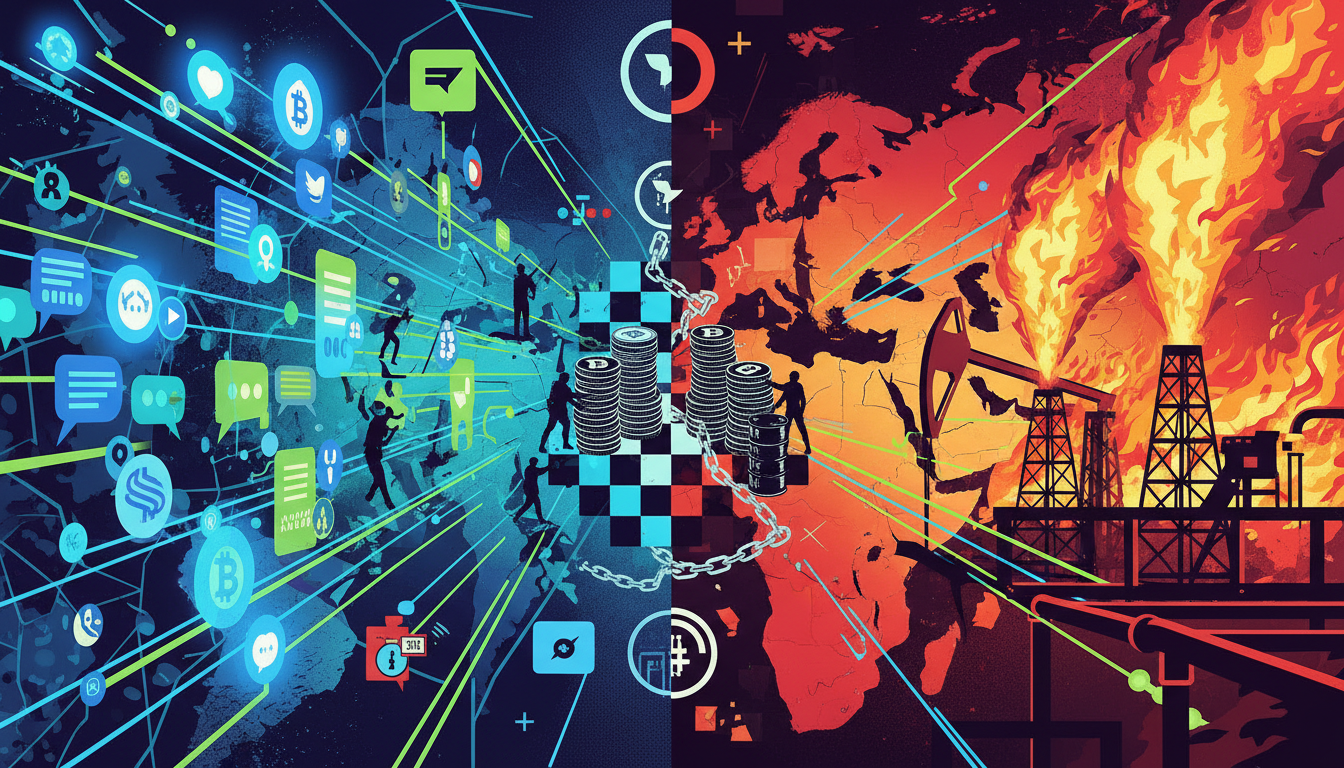
In summary, Iran's attempts to circumvent the Hormuz blockade and utilize alternative ports will continue to create resonance in both the energy market and the cryptocurrency market in the short to medium term. One side is the tension in crude oil arteries and the rise in oil price risk premiums, while the other side is the high-risk tokens represented by RAVE and meme sectors being the first to encounter emotional releases, leading to a reevaluation of configuration logic for Bitcoin and mainstream coins by institutional investors. Geopolitical conflict, energy pricing, and digital asset volatility are being woven into the same narrative chain.
However, it must be emphasized that current specific execution rules regarding the U.S. blockade and detailed information about alternative ports remain highly incomplete, and the briefings also clearly reflect gaps in data. The lack of public verification regarding the actual throughput capacity, specific route choices, and execution details means we must maintain boundary awareness when interpreting events, acknowledge cognitive uncertainties, and avoid treating deductions as facts and emotions as conclusions.
In an era of normalizing geopolitical conflict, investors need to rethink the risk allocations between on-chain and off-chain assets: each intense fluctuation in energy prices may transmit to cryptocurrency assets through inflation expectations, monetary policies, and risk preferences; while cryptocurrencies themselves, due to their global liquidity and decentralized characteristics, become entangled in a new round of games regarding sanctions and compliance. Finding a sustainable balance between hedging and returns, and establishing one's risk control framework under conditions of significant information asymmetry, will prove to be more worthy of long-term investment of effort than the individual events themselves.
Join our community, let’s discuss and become stronger together!
Official Telegram Community: https://t.me/aicoincn
AiCoin Chinese Twitter: https://x.com/AiCoinzh
OKX Benefit Group: https://aicoin.com/link/chat?cid=l61eM4owQ
Binance Benefit Group: https://aicoin.com/link/chat?cid=ynr7d1P6Z
免责声明:本文章仅代表作者个人观点,不代表本平台的立场和观点。本文章仅供信息分享,不构成对任何人的任何投资建议。用户与作者之间的任何争议,与本平台无关。如网页中刊载的文章或图片涉及侵权,请提供相关的权利证明和身份证明发送邮件到support@aicoin.com,本平台相关工作人员将会进行核查。