Source: Giant Microsoft's AI
Written by: On the way Xiaoxia
Today, the Shemiran area in northern Tehran is shrouded in an extreme sense of unsettling tranquility. For Iran's Supreme Leader Ayatollah Ali Khamenei, this tranquility usually signifies safety, but on this day, it became a prelude to death.
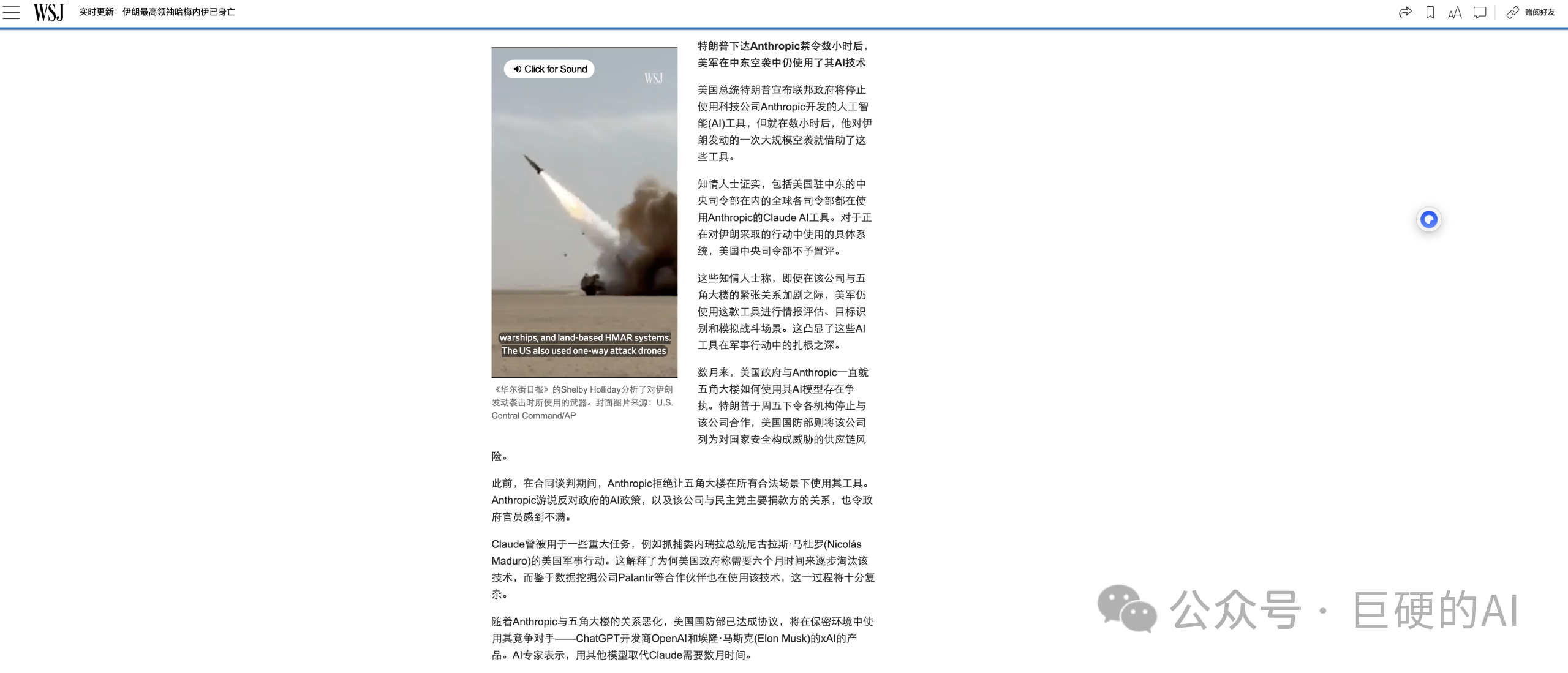
This operation, code-named "Operation Epic Fury," was not a traditional large-scale bombing, but rather a "surgical" strike woven from underlying code, real-time remote sensing algorithms, and distributed computing power. After the attack, Trump confirmed Khamenei's death on social media.
The emblematic significance of this operation lies in that it was the first high-level targeted assassination in human history fully dominated by artificial intelligence (AI) in the "Kill Chain." In a command center buried deep underground in Tehran, Khamenei may have thought he had evaded satellites, but he did not realize he was facing not a single weapon but a global surveillance and strike network composed of Palantir, Anduril, and leading large language models (Claude). This network no longer relies on expensive traditional platforms but instead depends on "software-defined weapons."
The Wall Street Journal reported that in this war, AI is no longer an auxiliary tool; it has become a true decision-maker, tracker, and executor.
Silicon Valley's "Warfare Operating System": Palantir
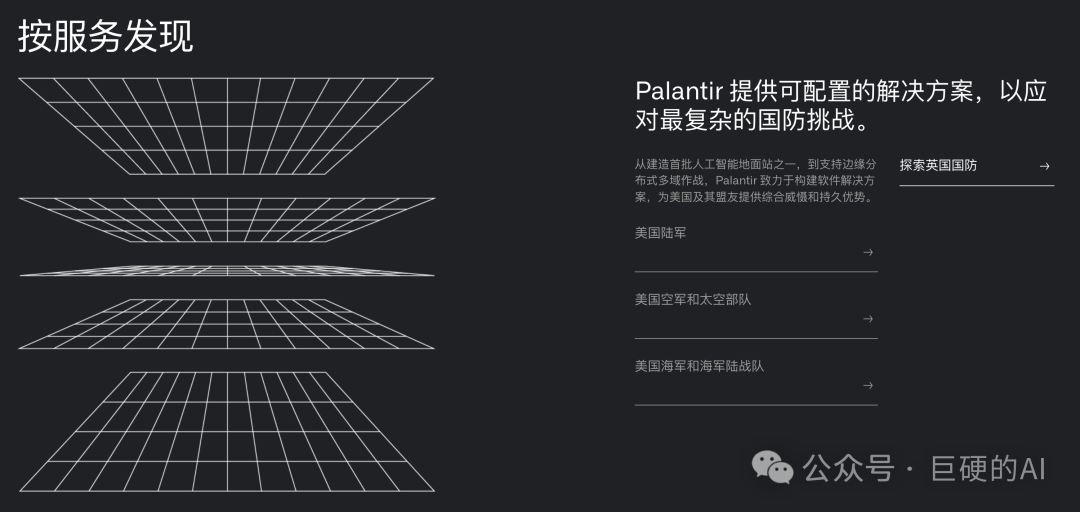
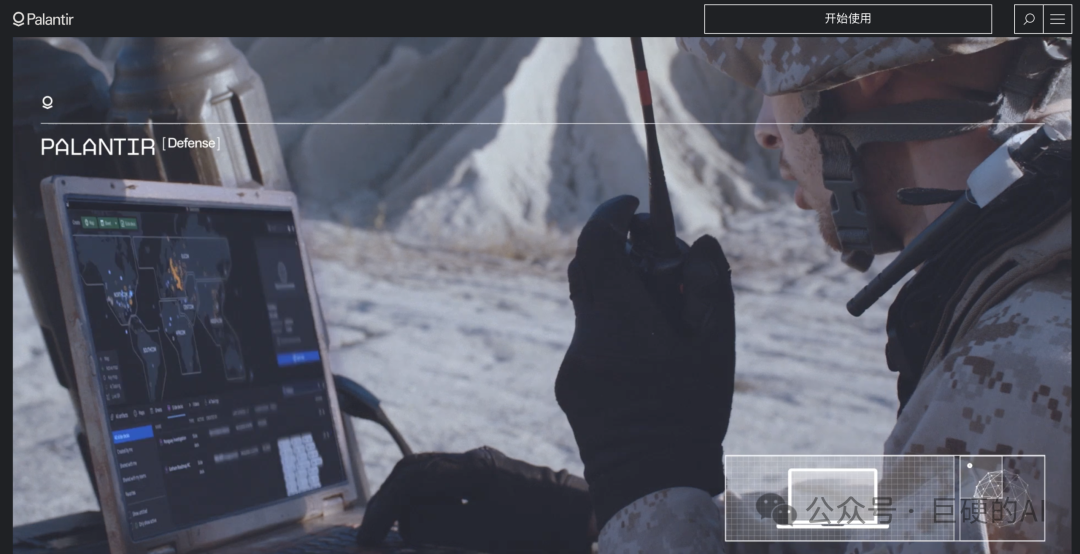
Behind the assassination operation, Palantir's technology platform played the role of the "battlefield brain." Founded by Peter Thiel, the company's core mission has always been to break down data silos between intelligence agencies.
Breaking Down Silos: "Ontology"
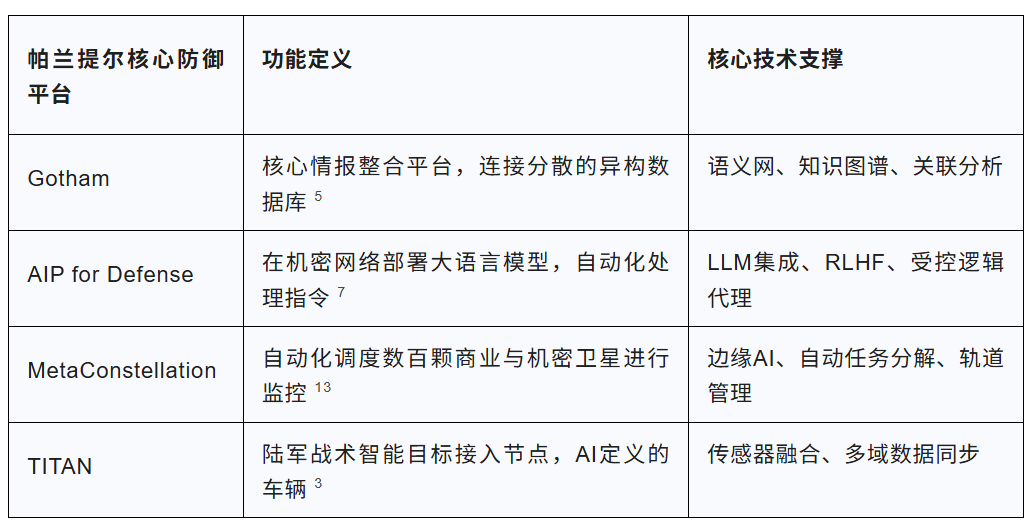
Palantir's most powerful weapon is its artificial intelligence platform (AIP) and flagship product "Gotham." In traditional command systems, intelligence analysts need to manually compare satellite images, communications interception records, and open-source social media data. However, in "Operation Epic Fury," Palantir's "Ontology" technology transformed these chaotic data into intuitive real-world objects.
The so-called "Ontology" involves mapping complex enterprise or battlefield data into easily understandable entities, such as "personnel," "locations," or "launchers." By integrating data from ERP systems, sensors, satellites, and network monitoring into a "Common Operating Picture" (COP), commanders are no longer faced with dull reports but a real-time digital battlefield twin.

Frontline Deployed Engineers: Programmers on the Battlefield
To ensure that this complex system operates in Tehran's high-intensity electronic warfare environment, Palantir deployed a group of special soldiers—Frontline Deployed Engineers (FDE). These engineers do not sit in air-conditioned rooms in Denver or Silicon Valley but wear tactical vests and are directly embedded within U.S. Central Command (CENTCOM) operational units.
This wartime capability has shortened system updates, which originally took months, to just hours. When Khamenei was killed, it was FDE who adjusted the MetaConstellation's satellite scheduling logic in the background, ensuring that over three satellites simultaneously cross-verified when the target left the bunker.
Starshield Debuts: SpaceX's Super Battlefield Broadband
To understand this action, one must first comprehend how the U.S. military broke through Iran's impenetrable electromagnetic blockade.
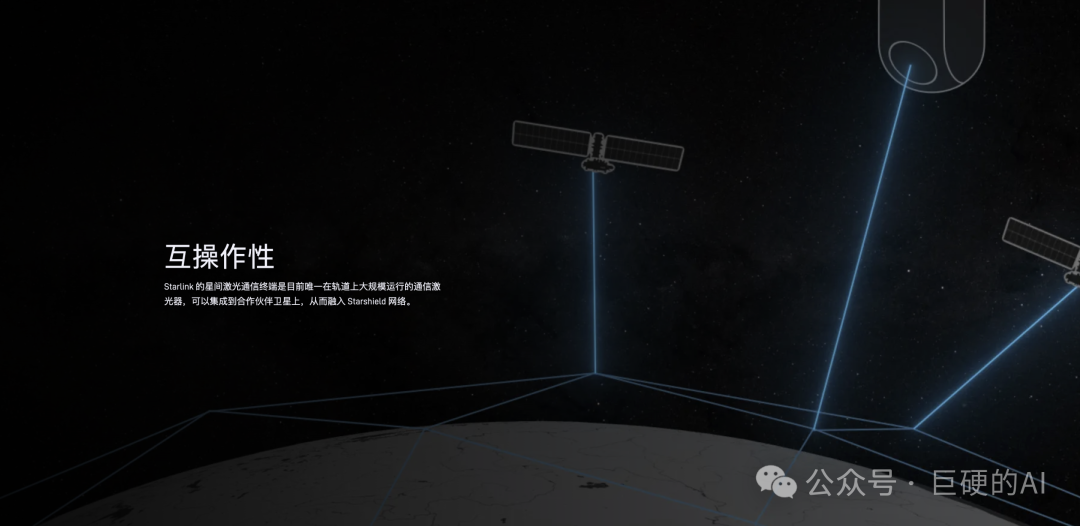
Before the operation began, Tehran cut off ground internet and mobile communications throughout the territory, trying to blind the U.S. military's sensors. However, according to The Wall Street Journal, the U.S. military used SpaceX's most mysterious asset—“Starshield” and its MILNET satellite constellation.
This is no longer the semi-civilian Starlink terminals found on the Ukrainian battlefield. Starshield consists of about 480 specialized hardened satellites, integrated with NSA-grade security encryption protocols. In U.S. Central Command (CENTCOM) operational logs, these satellites were vividly referred to as "digital oxygen": when the Iranian Revolutionary Guard used Russian-made "Kalinka" jamming systems to cut off frontline communications, Starshield built an uninterruptible aerial grid in orbit through laser inter-satellite links of up to 200 Gbps.
The most intimidating is a compact terminal known as UAT-222. It measures only two feet square and can be carried by a single special forces soldier. When this small cube was opened near Khamenei's residence, PB-level high-resolution images and electromagnetic signals that originally required hours to transmit penetrated the jamming smoke in seconds, directly injecting into Palantir's analysis engine.
Claude: A Struggle Over the Soul of AI
However, during the AI's killing of Khamenei, a fierce internal conflict erupted in the U.S. over AI ethics. The focal point of the conflict was the top model Claude, developed by Anthropic.

As the only advanced model authorized to operate on highly classified, physically isolated networks by the Pentagon, Claude was the tool most relied upon by U.S. military intelligence analysts. Its "Claude Gov" version excelled at handling vast amounts of intercepted Persian confidential documents.
Claude's role in the operation was not to directly control weapons but to process vast amounts of unstructured war data. According to leaked information, the U.S. military first used Claude on a large scale for "intelligence synthesis" in early 2026 during operations targeting Venezuelan leader Maduro. Claude was able to quickly read thousands of hours of intercepted Persian conversations, identify cracks in the command chain within the Iranian Revolutionary Guard, and generate dozens of dynamic strike scenario simulations for commanders.
Analysts no longer needed to write lengthy briefings; they simply asked like ordering food: "If we electronically suppress Tehran at this moment and simultaneously conduct airstrikes, what would be Khamenei's most likely escape route?" Claude would provide optimized interception probability charts based on its extensive military theory training and real-time injected intelligence streams.
However, according to an exclusive revelation by The Wall Street Journal in February 2026, a public hostility erupted between the Trump administration and Anthropic's CEO Dario Amodei. Secretary of Defense Pete Hegseth demanded that Anthropic remove all safety guardrails from Claude, to integrate it directly into fully automated lethal weapons systems.

Instead, OpenAI and Elon Musk's xAI took over. xAI quickly became central to the military's most secret missions because it promised computational power "unfettered by political correctness." Ironically, in the operation targeting Khamenei, the Claude model running on the Palantir platform still played a crucial supportive role—despite refusing to directly pull the trigger, it had already cleared away the intelligence fog for the final strike by processing PB-level data from previous secret operations against Venezuelan President Maduro and the Tehran interceptions.
“Where's Daddy?”: Algorithms Tracking Everyone
If Palantir and Claude provided strategic intelligence, then the three AI systems developed by the Israel Defense Forces (IDF) reveal the most chilling logic at the tactical level. These three systems are collectively known as the "mass assassination factory."
Lavender and Habusola
In the operation targeting Tehran, the U.S. military borrowed algorithms honed in real combat by the IDF in Gaza.
- “Habusola” (The Gospel): An AI system specifically designed to recommend target buildings. It can generate strike lists at a rate of 100 per day, whereas humans could only generate 50 in the past year.
- “Lavender”: Scores millions of individuals, automatically marking suspected militants by analyzing social networks, movement trajectories, and call records. At its peak, it marked 37,000 targets.
Deadly "20-Second" Decisions
The most controversial aspect is the role of humans in the process. According to The Guardian, after these AI systems recommend targets, human commanders often spend only "20 seconds" to review. This 20 seconds is barely enough to confirm if the target is male.
More cruelly, there is a system called "Where's Daddy?". It tracks not planes like traditional radar but the association between targets and their family residences. The system automatically monitors when marked individuals enter their homes. Commanders believe that launching attacks while these individuals are reunited with their families is easier than attacking military installations, even though this means that civilians in the entire building may become "collateral damage."
During the assassination of Khamenei, this logic was elevated to the level of national leaders. The algorithm no longer looked for Khamenei's luxury vehicle but rather searched for his every subtle characteristic.
Anduril and Shield AI: Software-Defined Aerial Superiority
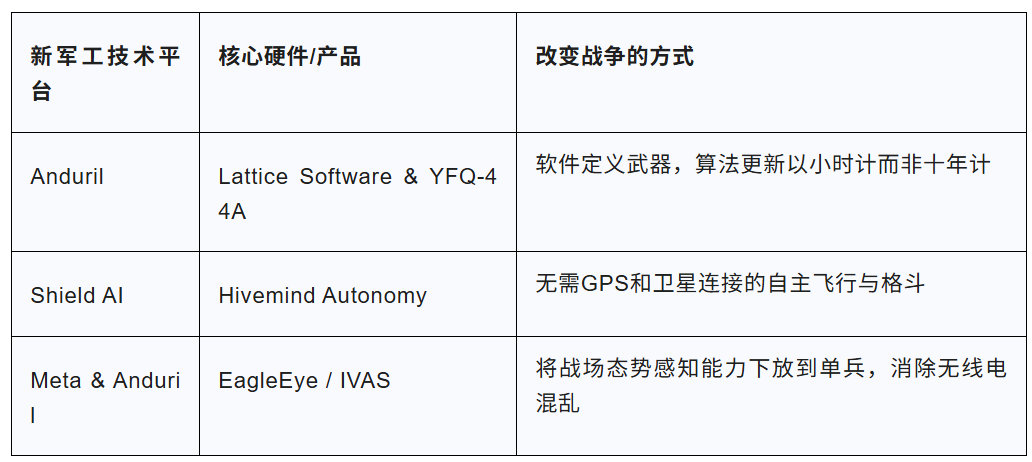
To execute the final strike, the U.S. military no longer frequently deploys expensive stealth aircraft but instead utilizes collaborative combat aircraft (CCA) defined by new military industries like Anduril and Shield AI.
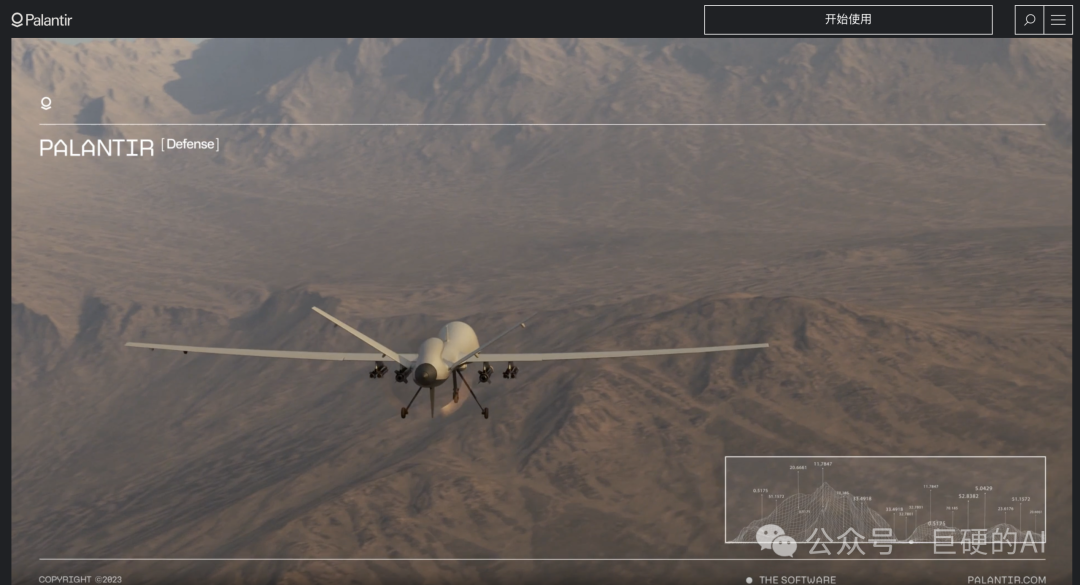
A technological highlight of this operation is that the drone swarm can autonomously adjust its formation based on real-time threat perception upon entering Tehran's airspace. When Iran's air defense radar locks onto one of the drones, the entire swarm shares this threat through the Lattice software system and automatically dispatches a subgroup for electronic inducement and anti-radiation strikes. This "software push" warfare renders traditional, hardware-centric defense systems clumsy and outdated when faced with algorithmic iterations.
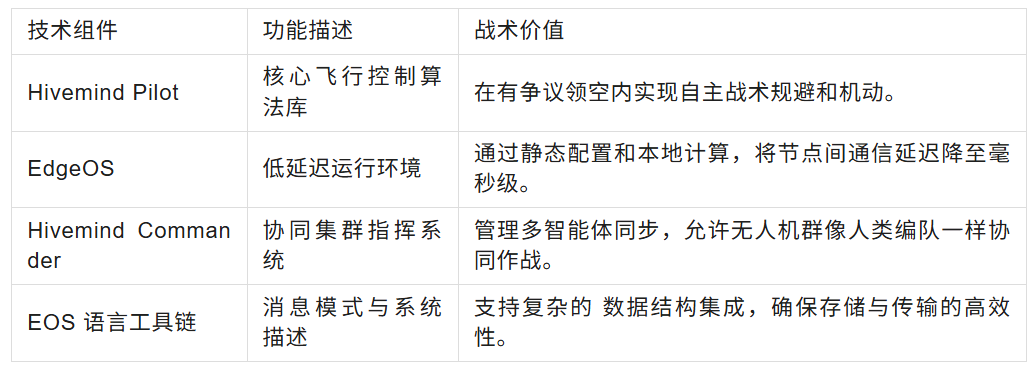
Shield AI focuses on developing what they call "the world's best AI pilot"—Hivemind. This software allows unmanned systems to execute complex tasks even when completely deprived of GPS, satellite communications, and human operators.
The technological foundation of Hivemind is EdgeOS, a middleware environment designed for high-performance real-time robotics. Its core features include:
Aerial Mind Switching: The Power of A-GRA Architecture
In February 2026, Anduril demonstrated a shocking experiment: its YFQ-44A drone successfully switched between two completely different AI systems during flight. The first half of the journey was controlled by Shield AI's "Hivemind" software, allowing the drone to autonomously navigate and form formation like a bird; the second half seamlessly switched to Anduril's "Lattice" system to execute final target locking.
This "aerial mind switching" relies on a modular standard called "Government Reference Autonomous Architecture" (A-GRA). This means that if the enemy develops electronic interference against a certain AI, the drone can instantly download and run another algorithm as if updating an app on a phone.
EagleEye Headset: Soldiers' "Digital Teammates"
In ground cooperation, U.S. special forces wore "EagleEye" mixed reality headsets co-developed by Anduril and Meta (formerly Facebook).
This headset is no longer a bulky bulletproof helmet but rather a holographic display system integrated with all data from the Lattice network. Soldiers can directly see enemy skeletal postures, obscured target outlines, and even view real-time footage from airborne drones through the headset. Palmer Latch calls it the "soldier's digital teammate," providing every frontline fighter with a synchronized God view in line with the Pentagon.
“New Military Industry”: How Venture Capital Reshapes the Arsenal
Behind Khamenei's assassination lies a hidden check.
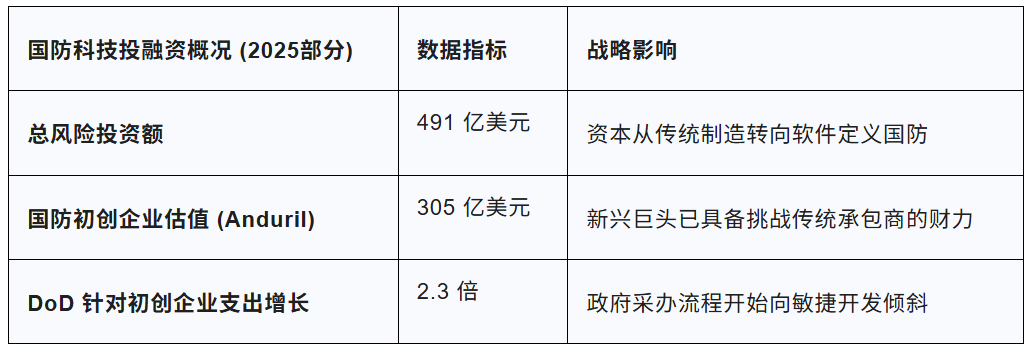
For decades, the arms business has been the territory of traditional giants like Lockheed Martin. But now, Silicon Valley venture capital is officially taking over the battlefield's R&D tempo through the "American Dynamism" strategy.
The "New Military-Industrial Complex" on Sand Mountain Road
Led by Andreessen Horowitz (a16z), venture capital firms completed a record $15 billion in financing in 2026. Their bets are no longer on food delivery or social software but on hard tech companies like Anduril, Shield AI, and Saronic.
The operational logic of these companies is fundamentally different from traditional contractors:
Speed: Traditional giants take ten years to develop a radar, while these companies need only a few months through software simulation.
Consumability: They do not pursue building a $100 million F-35; instead, they aim to produce 10,000 autonomous drones worth $10,000 each.
Software First: In their view, weapons are simply "code wrapped in aluminum shells."
This shift in capital has given the U.S. a high tolerance for error in operations targeting Iran. Even if some drones are intercepted, the remaining machines can still automatically compensate through the distributed Lattice network.
Three Clocks: The Strategic Limitations of AI War
After Khamenei's death, military strategists began reflecting on the cost of this victory. They proposed the famous "Three Clocks" theory to examine conflicts in the AI era.
Military Clock: AI greatly shortens the time from "sensor to shooter." A targeted assassination that originally required months of preparation can now be executed within seconds after the algorithm confirms the target. The military clock has been accelerated to the extreme.
Economic Clock: While AI weapons are cheap per unit, the rapid consumption exponeably increases pressure on the supply chain. If conflict lasts for a long time, energy premiums, shipping risks, and inflation will backfire on the attacking party's economy.
Political Clock: This is the slowest clock. AI can accurately kill a leader, but it cannot automate winning the consent of the local people nor quell regional anger.
Khamenei's death proved the algorithm's invincible position in the "Find, Fix, Finish" cycle. However, as wars become as low casualty and highly efficient as clicking a screen, the political threshold for humans to engage in war has been dangerously lowered.
The End and Beginning of an Era: Software-Defined Geopolitics
This is the true process of artificial intelligence killing Khamenei: no smoke-filled trench warfare, no heroic aerial dogfights, only the constantly pulsing data bars on the Palantir platform, the intelligence summaries processed by the Claude model, and the red contours drawn by Anduril's Lattice system on the HUD.
Khamenei's downfall marks the complete opening of the era of "software-defined geopolitics."
As pointed out by The Wall Street Journal's commentary: We have entered a battlefield where human commanders do not even have time to feel fear.
So who is the winner?
免责声明:本文章仅代表作者个人观点,不代表本平台的立场和观点。本文章仅供信息分享,不构成对任何人的任何投资建议。用户与作者之间的任何争议,与本平台无关。如网页中刊载的文章或图片涉及侵权,请提供相关的权利证明和身份证明发送邮件到support@aicoin.com,本平台相关工作人员将会进行核查。


