Author: Liang Yu
Editor: Zhao Yidan
In February 2026, Caixin published a major report titled "Strict Supervisory Measures on Overseas RWA," revealing the latest attitude of regulatory authorities towards the cross-border issuance of Real World Assets (RWA). The report pointed out that "strict regulation overseas" is the general tone established in the "Notice on Further Preventing and Handling Risks of Speculation in Virtual Currency Transactions" jointly issued by nine departments in 2021 (i.e., "Document No. 42"), but this tone is not a simple "one-size-fits-all" approach.
According to familiar regulatory insiders, Hong Kong, as one of the places for the overseas issuance of RWA, has RWA projects based on local assets that are not within the regulatory scope of Document No. 42, and are not under the jurisdiction of domestic regulatory authorities. For RWA issued overseas based on domestic assets, the regulatory logic has shifted from "previously, none were allowed" to "now there is no outright prohibition," but they must accept strict supervision from the Institutional Department of the China Securities Regulatory Commission (CSRC). The report emphasizes that there is no intention of "encouragement," and it should not be interpreted as "promoting development," nor as "hastily pushing forward," with the core still being "strict regulation."

Just before and after the release of the Caixin report, there were rumors in the market that the CICC Hong Kong team had been in contact with major public chains and exchanges to discuss business cooperation, and technology giants such as Ant Group and JD.com have also expressed high concern over policy changes. This series of actions has sparked heated discussions in the market: under the tone of "strict regulation," why are leading institutions accelerating their layout instead? What room does the policy leave for compliant RWA innovation?
This article will take the Caixin report as the starting point, combining the policy framework of Document No. 42, the latest implemented cases, and the movements of institutions, to penetrate the superficial meaning of "strict regulation" and restore a real picture of the new regulatory landscape for RWA.
1. Policy Origins: What is the "Strictness" of Document No. 42?
To understand the current policy environment of the RWA market, one must return to the "Notice on Further Preventing and Handling Risks of Speculation in Virtual Currency Transactions" jointly issued in September 2021 by the People's Bank of China and nine other departments. This document lays the foundation for China's stance on virtual assets, and its core statements are still the fundamental guidelines for market participants.
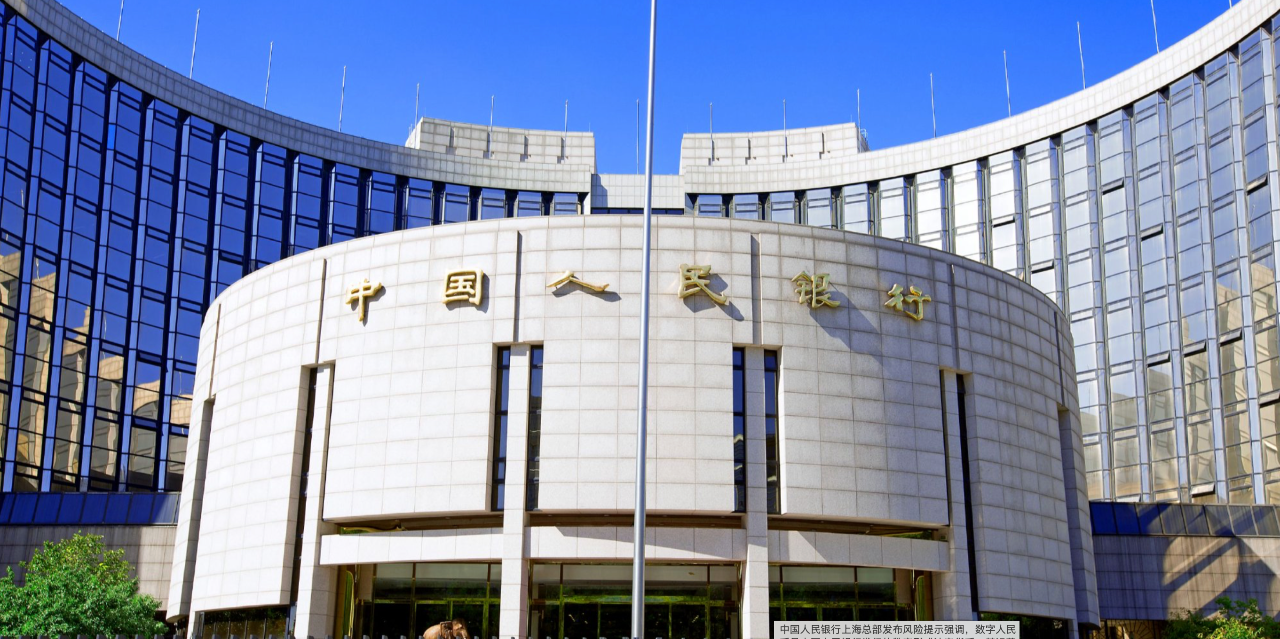
According to the notice, virtual currencies do not have the same legal status as legal tender, and virtual currencies such as Bitcoin, Ethereum, and Tether do not have legal compensation and cannot be used as currency for circulation in the market. More critically, the notice clearly states that "virtual currency-related business activities are considered illegal financial activities"—conducting currency exchange between legal tender and virtual currencies, exchanges between virtual currencies, providing information intermediation and pricing services for virtual currency transactions, token issuance financing, and virtual currency derivatives trading are all strictly prohibited and must be banned by law.
This means that any financing activities conducted domestically using virtual currencies are within the red line. At the same time, overseas virtual currency exchanges providing services to domestic residents through the internet also fall under illegal financial activities. This clause completely blocks the paths for domestic parties to participate in virtual currency transactions overseas.
However, Document No. 42's regulatory target is "virtual currencies" rather than "tokenized assets." There is an essential difference between the two: virtual currencies have no corresponding physical assets, and their prices are entirely driven by market speculation; while RWA (tokenization of real world assets) expresses ownership of real-world asset classes such as bonds, credit, and real estate in digital form on the blockchain. This distinction lays the groundwork for further policy detailing.
According to Caixin, citing familiar regulatory insiders, the "strict regulation overseas" in Document No. 42 mainly targets RWAs issued overseas based on domestic assets. RWAs based on Hong Kong assets do not fall under the regulatory scope of Document No. 42 and are not the responsibility of domestic regulatory departments. This means that the tokenized issuance of local assets in Hong Kong enjoys relatively independent policy space.
But it must be noted that regulatory insiders emphasize: for RWAs issued with domestic assets going overseas, "it is not said that they are all prohibited now," but must undergo strict supervision from the Institutional Department of the CSRC, and "there is no 'encouragement' meant here, it cannot be interpreted as 'promoting development,' nor as 'rushing forward,' but instead is 'strict regulation'."
Thus, we can outline a clear layered regulatory framework:
Red Line Zone (Domestic): Domestic institutions and individuals are strictly prohibited from engaging in any form of virtual currency-related RWA issuance and trading activities within the country.
Strict Regulation Zone (Domestic Assets Going Overseas): Issuing RWAs overseas (including Hong Kong) based on domestic securities, funds, loans, etc. as underlying assets must accept penetrating supervision from the CSRC, with high compliance costs and strict approval thresholds.
Exception Zone (Hong Kong Local Assets): The issuance of RWAs based on local assets in Hong Kong is handled by the Hong Kong Securities and Futures Commission according to its regulatory framework and does not directly apply to Document No. 42.
This layered framework establishes a direction for compliant RWA innovation.
2. Compliance Window: The "Breaking the Ice" Path of Asset-backed Security Tokens
If Document No. 42 defines "what cannot be done," then the relevant guidelines issued by the CSRC gradually clarify "how to proceed."
In November 2023, the Hong Kong Securities and Futures Commission issued a circular on "Intermediaries Engaging in Activities Related to Tokenized Securities" and another on "Tokenized Investment Products Approved by the Securities and Futures Commission," systematically explaining the regulatory stance on tokenized securities. The circular clearly states that the nature of tokenized securities is essentially traditional securities packaged as tokens, therefore, the legal and regulatory provisions of the traditional securities market continue to apply to tokenized securities.
This statement has profound guiding significance: it implies that as long as the underlying assets are compliant security products, tokenizing them does not change their securities attributes and will not automatically trigger additional regulatory prohibitions. The key is to ensure that the tokenization arrangements do not introduce new risks—including ownership record risks, technological risks, cybersecurity risks, and more.
Within this framework, "asset-backed security tokens" supported by cash flows from domestic assets have become the most operationally feasible compliant path. The operational logic is: high-quality domestic assets (such as supply chain finance accounts receivable, infrastructure revenue rights, consumer crédito asset packages) are structured through special purpose vehicles (SPVs) to issue securities in digital token form overseas (predominantly in Hong Kong).
The compliance key points of this model include: first, the underlying assets must be real, legal, and transparent; second, the issuer must be licensed or cooperate with a licensed institution; third, the tokenization arrangement must undergo third-party audits to ensure the security and integrity of smart contracts; fourth, funds must flow back through qualified domestic institutional channels (e.g., QDII), ensuring compliance of cross-border capital movements.
On August 29, 2024, a landmark case verified the commercial feasibility of this path. Shenzhen Futian Investment Holdings Co., Ltd. (rated "A-" by Fitch Ratings) successfully issued the world's first RWA digital bond listed on an exchange— "Fuhui" (FTID TOKEN 001). The issuance scale of this bond was 500 million RMB, with a term of 2 years and a coupon rate of 2.62%, issued in digital token form on the Ethereum public chain, and listed both on the Macau Financial Asset Exchange Co., Ltd. (MOX) and Shenzhen Stock Exchange.
The innovation of "Fuhui" lies in that it is the world's first product that simultaneously achieves "public offering," "listing," and "RWA digital bond" characteristics. The issuer has government credit backing, and the underwriting syndicate consists of leading investment banks such as GF Securities (Hong Kong), CMB International, China International Capital Corporation, and Orient Securities, indicating that traditional financial institutions are becoming key drivers of RWA innovation.
It is worth noting that the underlying asset of "Fuhui" is the issuer's own credit rather than a specific domestic asset package, therefore it does not involve the "domestic assets going overseas" issue focused on in Document No. 42. However, it provides the market with a complete compliance template: how to issue on a public chain, how to achieve dual listings, how to coordinate multi-jurisdictional regulation, and how to ensure smart contract security—this "Futian Model" lays the foundation for the launch of more RWA products in the future.
3. Who is Taking Action, and What are Their Intentions?
The opening of the policy window is always first captured by market participants with keen senses. The weekend after Document No. 42 was published, the CICC Hong Kong team began contacting major public chains and exchanges to explore cooperation. This timing is highly significant—it is not a follow-up after policy clarification, but an urgent action during the week of the policy release.
Why is CICC so eager? As a leading Chinese securities firm, its client base includes numerous central enterprises and state-owned enterprises holding high-quality domestic assets. In the context of rising costs for traditional financing channels and tight domestic liquidity, RWA provides a new financing avenue for them: to conduct compliant tokenized issuance of domestic assets and raise offshore funds from global investors. This not only serves the financing needs of corporate clients but also expands its investment banking business line.
Alongside CICC, internet tech giants like Ant Group and JD.com are also taking action. According to Caixin, both Ant Group and JD.com have shown high concern over policy changes. This concern quickly translates into substantive layout.
In August 2024, in cooperation with the A-share listed company Langxin Group, the first New Energy physical asset RWA project was completed in Hong Kong. This project anchors some charging piles operated by Langxin as the RWA anchor asset and issues digital assets for charging piles based on credible data on the blockchain, with each digital asset representing a portion of the revenue rights corresponding to each charging pile, raising approximately 100 million RMB. Ant Group's CTO Wang Wei stated that this is a new exploration in the overseas business segment, aiming to establish a technological bridge for physical enterprises.
Ant’s layout doesn’t stop here. In May 2024, the Hong Kong Monetary Authority announced the framework working group for the wholesale central bank digital currency (wCBDC) project Ensemble, with ZAN (a web3 brand under Ant Chain) joining as a technology company to provide tokenized deposit technical solutions. Previously, Ant Group had provided credible modules and IoT technology for battery equipment to Shenzhen Dudu Battery Swap, linking devices to the blockchain to enable real-time tracking of battery health.
JD.com has chosen a different path—stablecoins. In July 2024, the Hong Kong Monetary Authority announced the initial participant list for the stablecoin regulatory sandbox, with JD CoinChain Technology (Hong Kong) being one of the first shortlisted companies. Subsequently, Tianxing Bank, established as a joint venture between Xiaomi and Shenchao Group, announced a stablecoin issuer sandbox cooperation with JD CoinChain Technology. JD’s entry into the stablecoin market is seen by industry insiders as a strategic consideration to fill the cross-border payment gap—compared to traditional payments, stablecoin transfers on the blockchain can achieve immediate payment and settlement without intermediaries, increasing time efficiency by over a hundred times and reducing costs by more than ten times.
Another early mover is BOC International. In June 2023, BOC International, in collaboration with UBS Group, issued fully digital structured notes worth 200 million RMB for the Hong Kong market, becoming the first domestic financial institution to issue tokenized securities in Hong Kong.
From the layout of these institutions, a common characteristic can be observed: they are not "speculating on coins," but are using blockchain technology to transform the financing and circulation methods of physical assets. Ant anchors to new energy charging piles, JD.com focuses on cross-border payments, and CICC targets investment banking business—each is finding a point of entry that aligns with its main business.
4. China's Role in the RWA Wave
Widening the perspective, the layout of Chinese institutions in RWA is not an isolated event, but part of the global financial digitalization wave.
Boston Consulting Group predicts that by 2030, the market size of tokenized assets will reach 16 trillion USD, equivalent to 10% of global GDP at that time. Behind this prediction is the collective entry of the world's leading financial institutions.
In March 2024, BlackRock launched its first tokenized fund on a public blockchain—the BlackRock US Dollar Institutional Digital Liquidity Fund (BUIDL), which surpassed 550 million USD in size by the end of 2024. This fund primarily invests in cash, US Treasuries, and repurchase agreements to provide qualified investors with opportunities to earn USD returns. BlackRock’s exploration emphasizes the key roles of compliance and security, collaborating with blockchain projects such as Securitize and Maple Finance to ensure that tokenized products meet regulatory standards.
Goldman Sachs' GS DAP platform successfully facilitated the issuance of digital bonds by the European Investment Bank as early as 2021. Financial giants such as HSBC, JPMorgan Chase, and Citigroup have also explored tokenized government bonds. In February 2023, the Hong Kong Monetary Authority issued 800 million HKD in tokenized government green bonds, becoming the first governmental agency to actively participate in RWA innovation.
Meanwhile, major global economies are accelerating legislative regulation of virtual assets. In May 2024, the US House of Representatives passed the "21st Century Financial Innovation and Technology Act" (FIT21), establishing a clear legal framework for digital assets. The EU passed the world's first comprehensive regulation on crypto assets (MiCA) in June 2023, which will come into full effect by the end of 2024. In July 2024, the Monetary Authority of Singapore approved Paxos to launch the USD stablecoin USDG, which is managed by DBS Bank. In December 2024, the Japanese government proposed reforming the tax system on cryptocurrency earnings, planning to reduce the tax rate from 55% to 20% to attract international companies.
In this global wave, Hong Kong plays a unique role as a "super connector." Zhijing Network pointed out that Hong Kong's Web3.0 ecological construction needs to fully leverage the advantages of the "One Country, Two Systems" framework to attract global capital, talents, and technology. Through the "offshore issuance, dual listing" model (such as the "Fuhui" being simultaneously listed on MOX and Shenzhen Stock Exchange), Hong Kong is bridging the offshore and onshore markets, gaining recognition from mainstream capital markets.
5. Risks and Challenges: Finding Opportunities in Strict Regulation
Despite the vast prospects, the development of RWA still faces multiple challenges, and practitioners need to maintain a sober awareness.
Compliance risk is paramount. Yu Jianing (co-chair of the Blockchain Committee of the China Communications Industry Association) pointed out that although Hong Kong has a complete financial infrastructure and favorable policy environment for RWA development, the regulatory framework still needs further clarification and refinement. RWA involves complex issues such as asset ownership, transaction security, and data privacy, and the existing legal and regulatory systems may not be fully capable of addressing these challenges.
Money laundering risks cannot be ignored. Recently, the Supreme People's Court and the Supreme People's Procuratorate released an "Interpretation on Several Issues Concerning the Application of Law in Handling Money Laundering Criminal Cases," clarifying that transferring or converting criminal proceeds and their profits through "virtual assets" can be identified as money laundering criminal behavior. Considering that RWA transactions primarily occur on blockchain networks, on-chain transfers have a strong anonymity, and conventional risk control technologies may struggle to effectively respond. Industry insiders suggest that in addition to conducting due diligence as required, on-chain monitoring mechanisms should be further improved, using blockchain analytical tools to enhance address analysis and risk tracking capabilities.
Technological risks need vigilance. Vulnerabilities in smart contracts, interruptions in blockchain networks, fork events, and loss of private keys can all lead to investor losses. The issuance documents for "Fuhui" explicitly warn of smart contract risks and mitigate them through multiple audits and a bug bounty program. As for the risks associated with technological dependence, the stability and security of the system architecture will be continuously tested.
Liquidity risk tests the market depth. The secondary market liquidity of tokenized assets is still in the cultivation stage. Although "Fuhui" has achieved dual listing, the liquidity between the on-chain market and traditional exchanges may currently still be isolated, requiring intermediaries for asset conversion. Ensuring sufficient market depth and price stability is the key for RWA to truly unleash liquidity.
The risks of policy interpretation should not be underestimated. Regulatory insiders repeatedly emphasize that Document No. 42 "must not be interpreted as 'promoting development' or as 'rushing forward'." Any behavior that misconstrues "strict regulation" as "encouragement" may lead to regulatory risks. Practitioners must explore innovation under the premise of compliance, rather than testing the boundaries of policy.
Conclusion: Finding Opportunities in Strict Regulation, Exploring Innovation Under Compliance
Returning to the initial question: when CICC urgently meets with public chains over the weekend, when Ant Group and JD.com accelerate their layouts, when "Fuhui" successfully issues and dual lists—these signals collectively point to one conclusion: Document No. 42 is not a "one-size-fits-all" prohibition on RWA, but rather establishes a refined layered framework of "domestic prohibition, strict regulation overseas, and exceptions for Hong Kong." Under the tone of "strict regulation," the compliant path of "asset-backed security tokens" has opened up for the first time, which is the core reason for the low-key layout of leading institutions.
The RWA Research Institute believes that the significance of this round of policy evolution lies in the fact that it clearly delineates the bottom line with the words "strict regulation," while also pointing out the direction with the specific tool of "asset-backed security tokens." When CICC starts sitting down to discuss cooperation with public chains, this means that the "institutional era" of the Web3 world is quietly beginning in a uniquely Chinese way—finding opportunities in strict regulation and exploring innovation under compliance.
The question for practitioners is not whether to "do or not to do," but rather "how to do it." Which "regulatory layer" does your asset belong to? Do you have the capability to meet penetrating scrutiny? Is your chosen partner licensed and compliant? Before answering these questions well, any impulse to "rush forward" must be approached with caution.
The ultimate outcome of RWA is not a contest between regulation and market, but the compliant integration of finance and technology. This road will undoubtedly be bumpy, but the direction is already clear.
(This article is based on publicly available information and authoritative media reports, and does not constitute any investment advice. The market has risks, and compliance is the premise.)
Reference Materials:
· "Risk Warning on Speculation in Virtual Currency Transactions"
· "Core Elements Analysis of the World's First Public Offering of Listed RWA Digital Bonds: Shenzhen Futian Investment Holding 'Fuhui'"
· "Internet Giants Accelerate Their Layout in RWA, Domestic Web3 Trends Reemerge"
· "Hong Kong's Web3.0 Ecological Construction Needs to Leverage the Advantages of 'One Country, Two Systems'"
· "Notice on Further Preventing and Handling Risks of Speculation in Virtual Currency Transactions"
· "Document No. 42 Emphasizes Strict Regulation on Overseas RWA, CICC Hong Kong has Contacted Public Chains and Exchanges"
· "Giants Target Asset Tokenization Overseas, Security and Compliance Remain the Bottom Line"
· "Virtual Assets in Hong Kong: Recent Regulatory Dynamics"
· "2024 Public Chain RWA Annual Research Report"
免责声明:本文章仅代表作者个人观点,不代表本平台的立场和观点。本文章仅供信息分享,不构成对任何人的任何投资建议。用户与作者之间的任何争议,与本平台无关。如网页中刊载的文章或图片涉及侵权,请提供相关的权利证明和身份证明发送邮件到support@aicoin.com,本平台相关工作人员将会进行核查。


