Author: Liang Yu
Editor: Zhao Yidan
On December 16, 2025, the Shanghai headquarters of the People's Bank of China once again issued an urgent risk warning through the official website of the Shanghai Municipal Local Financial Supervision Administration and various authoritative media, directly pointing out the recent rise in fraudulent activities disguised under the name of digital renminbi.

The warning clearly states that the digital renminbi is a digital form of legal currency, operating under a "central bank - digital renminbi business operation institution" dual-layer operational structure, with no private promotion centers established and no digital renminbi promoter examinations existing. Criminals publish false information on online platforms, using high returns as bait, such as "recruiting promoters," promising "exchange subsidies" and "commission on turnover," to lure the public into joining chat groups, thereby committing fraud or even engaging in pyramid schemes.
The central bank explicitly states that the digital renminbi is a legal currency for payment and has no speculative space. Any claims of "exchange subsidies," "commission on turnover," "high returns," or incitement to speculate on currencies are fraudulent. Criminals often use such rhetoric to induce the public to disclose personal sensitive information or participate in pyramid schemes. The public must remain vigilant and maintain a clear mind regarding investments that promise "guaranteed profits," and be cautious of falling victim. If suspected fraud occurs, please report it immediately.
This warning, rather than merely exposing a criminal method, clarifies the essence of a significant innovation. It forces us to think beyond the clamor of fraud: when a financial infrastructure aimed at enhancing economic efficiency is parasitized by crime due to its own advancement, how should we defend the fertile ground for its growth? The outcome of this game will directly determine whether this technology becomes a glamorous facade for scams or a trustworthy cornerstone supporting the circulation of the next generation of digital asset worlds. Every moment of clear awareness and vigilance from the public is the most powerful reinforcement of this cornerstone.
1. Comprehensive Analysis: The "Viral" Spread Path of New Fraud
The latest official warning outlines the complete chain of digital renminbi fraud. The fraud begins with carefully packaged advertisements placed on social platforms and short video channels, claiming to "recruit official digital renminbi promoters."
Once a user makes contact, they are lured into joining a seemingly legitimate chat group. Within the group, "instructors" conduct brainwashing-style promotions through online meetings, showcasing forged "red-headed documents" and "authorization certificates," and organizing so-called "official promoter qualification exams."
The core of the fraud lies in the rhetoric of "high rebates." Criminals claim that users can exchange their own funds for digital renminbi and deposit them into their controlled fake platforms or wallets, not only earning "static income" far exceeding bank deposits but also extracting "dynamic commissions" by developing downlines through "referrals."
This is consistent with the fraud model exposed by CCTV in April this year, where the criminal gang spread rumors that "a digital renminbi bank is about to be established in Shanghai" and used "exchange subsidies" of 2%-5% as a gimmick to defraud.
Notably, this warning emphasizes the "four no" principle: do not seek high rebates, do not engage in "referrals," do not click on unfamiliar links, and do not join groups for meetings, which precisely corresponds to every key link in the fraud process.
2. In-Depth Exploration: Three Cognitive Soils for Fraud Proliferation
The persistence of digital renminbi fraud stems from the criminals' clever exploitation of three major cognitive gaps during the popularization of new financial technologies.
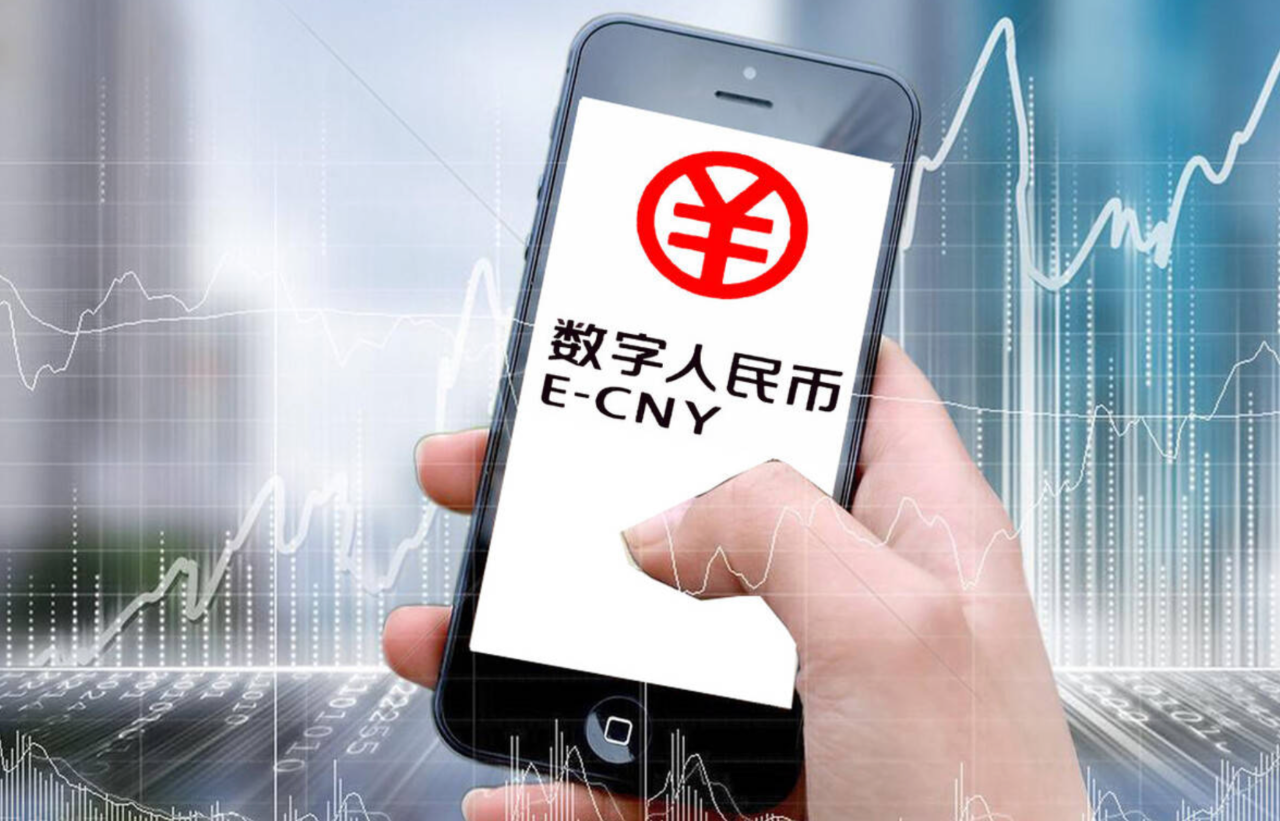
First is the confusion between legal currency and investment targets. Despite the central bank repeatedly emphasizing that the digital renminbi is a digital form of the renminbi, positioned as cash in circulation (M0), equivalent to paper money and coins, and its core function is payment, with no speculative space.
However, the combination of the words "digital" and "currency" easily leads some members of the public to associate it with highly volatile crypto assets like Bitcoin, mistakenly believing it has appreciation potential. Criminals exploit this association to fabricate lies about "early accumulation and appreciation."
Second is the confusion between official structures and public imagination. The digital renminbi adopts a clear "central bank - operating institution" dual structure, with designated commercial banks responsible for providing exchange and circulation services to the public.
However, the general public lacks understanding of this rigorous official operational system. Criminals fabricate non-existent institutions such as "digital renminbi promotion centers" and "market expansion departments," creating a complete false image to exploit the public's trust in national credit.
Finally, there is confusion between technological innovation and fraudulent rhetoric. The programmability of the digital renminbi and innovations like smart contracts are intended to serve compliant scenarios such as targeted payments and transaction condition triggers.
Fraud gangs, however, package these technical terms into investment gimmicks like "smart dividends" and "automatic rollovers," distorting financial infrastructure that serves the real economy into illegal fundraising tools that promise "guaranteed profits."
3. Deceptive Networks: The Concealed Mutation of Fraud in the Social Era
Currently, digital renminbi fraud exhibits highly organized, networked, and concealed characteristics, making it more deceptive. The main battleground for fraudulent activities has completely shifted to various social applications and short video platforms.
Criminal gangs reach potential victims precisely by purchasing traffic, releasing carefully edited "expert interpretation" videos, and commenting on financial-related topics to "ride the wave" of trending discussions.
They even operate a whole set of seemingly legitimate online portals, complete with fake "news updates," "partner organization" logos, and develop rudimentary apps or web wallets to display false "profit growth," creating a false impression of a robust platform.
More dangerously, some fraud models have completely transformed into pyramid schemes. They are no longer satisfied with defrauding single amounts of money but instead use a "developing downlines - tiered commissions" mechanism to lure early victims to actively bring friends and family into the trap to recover losses or earn commissions, achieving "viral" spread.
This model transforms fraudulent activities from simple economic crimes into malicious behaviors that undermine the foundation of social trust and pose broader harm. The official risk warning particularly emphasizes "no 'referrals'," which is a targeted strike against this mutated form of fraud.
4. Precision Disarmament: Upgrading and Coordinating Official Response Strategies
In the face of constantly evolving fraudulent methods, the response strategies of regulatory and official institutions are also showing new characteristics of systematization, precision, and normalization.
The Shanghai headquarters of the People's Bank of China has made a significant improvement in this warning by providing extremely specific and actionable behavioral guidelines—the "four no" principle. This differs from previous relatively vague warnings, as it directly builds defenses into every specific scenario the public may encounter: vigilance against benefits, vigilance against links, and vigilance against social groups.
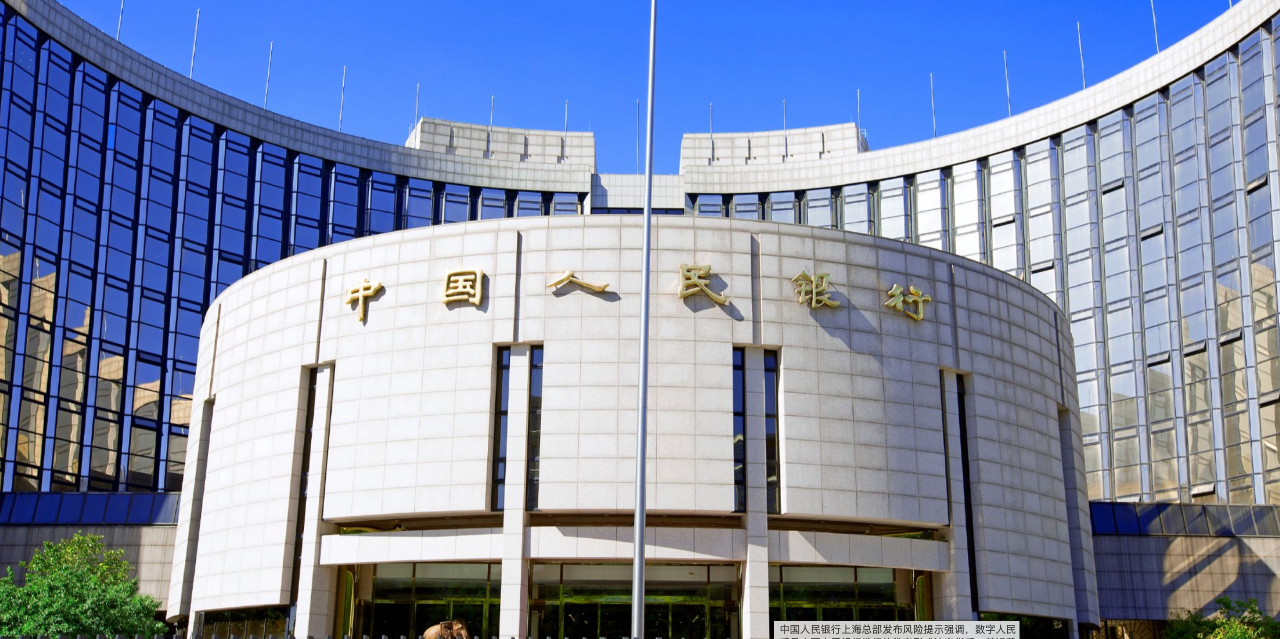
The authorities are attempting to cut off every key operational node of fraud using the most straightforward language. For example, they clearly inform the public that the only official download channel for the digital renminbi app is the mobile app store or the website (www.pbcdci.cn), and any other links are traps.
At the same time, the inter-departmental collaborative strike mechanism is being strengthened. This risk warning was issued by the Shanghai headquarters of the People's Bank of China and officially posted on the website of the Shanghai Municipal Local Financial Supervision Administration, reflecting the linkage between financial regulation and local financial governance departments.
From the early cases reposted by the government of Shenqiu County, it can also be seen that local government platforms are becoming important regional platforms for debunking rumors and issuing warnings against nationwide fraudulent information. This protective net, from central to local, and from vertical regulation to horizontal collaboration, is gradually being woven tighter.
5. Value Restructuring: Digital Renminbi as the Compliance Cornerstone of the RWA Ecosystem
Amidst the clamor and scams, we need to calmly examine the long-term strategic value of the digital renminbi as a national financial infrastructure. A consensus that is forming is that the true stage for the digital renminbi may lie in providing a core compliance value transfer foundation for the tokenization of the next generation of digital assets—especially real-world assets (RWA).
RWA aims to transform tangible assets such as bonds, real estate, and intellectual property into on-chain digital certificates. One of the core challenges it faces is how to interact safely and efficiently with a stable, trustworthy, and compliant legal currency system to complete the entire process of subscription, transaction, and dividend distribution.
Current solutions often rely on stablecoins, but they are still troubled by the credit of the issuer, regulation, and price volatility. The digital renminbi, as a native digital legal currency, offers a better solution.
Its "payment equals settlement" feature can greatly enhance the efficiency of RWA transactions; its embedded "controllable anonymity" feature can ensure compliance with anti-money laundering requirements while safeguarding necessary transaction privacy; and most importantly, it is backed by a complete national sovereign credit and financial regulatory framework.
This provides compliance assurance throughout the entire lifecycle of RWA from issuance, circulation to settlement. It can be envisioned that in the future, the interest distribution of a digital bond could be automatically executed from the issuer's digital renminbi wallet to thousands of holders' wallets through smart contracts, with the process being transparent, instantaneous, and immutable.
6. The Layered Future of a Healthy Digital Renminbi Ecosystem
To enable the digital renminbi to truly serve as a "trustworthy artery" for the RWA and even broader digital financial ecosystem, the current primary task is to thoroughly purify its own growth environment.
Ongoing fraud consumes social cognitive resources and undermines the public's trust in this technology. If the term "digital renminbi" continues to be associated with negative terms like "fraud" and "pyramid schemes" in the public discourse, its credibility as a serious financial infrastructure will be severely eroded.
This, in turn, will raise the social acceptance cost for genuinely valuable applications, hindering their deep integration with the real economy. Therefore, the current severe crackdown and frequent warnings are essentially clearing the way for future innovations and delineating the runway.
From a broader perspective, the promotion of the digital renminbi and the development of innovative formats like RWA must be examined under the fundamental coordinate of "serving the real economy."
Whether combating fraud or exploring integration with RWA, the success or failure of these efforts hinges on whether they can meet the real needs of the physical industry in payment settlement, asset circulation, and supply chain finance more efficiently, at lower costs, and more safely.
Looking ahead, a healthy digital renminbi ecosystem should be a multi-layered system with clear layers and defined responsibilities: the bottom layer is a pure and stable legal currency payment system guaranteed by the central bank; the middle layer consists of compliant commercial applications developed by financial institutions and technology companies based on its characteristics.
The top layer would be innovative scenarios such as RWA transactions. Each layer of innovation must not come at the expense of distorting the legal attributes of the underlying currency. The risk warning issued this time reinforces this unshakable cornerstone.
In the warning released by the Shanghai Municipal Local Financial Supervision Administration, beneath the prominent "four no" principle lies a deeper question of the times.
As fraudsters begin to skillfully use community operations and online meetings to package scams, are we prepared to convey truly valuable financial knowledge to the public with equal or even greater efficiency and wisdom?
In this cognitive competition, every successful fraud consumes the social trust capital of a national-level technological innovation; while every timely warning and thorough exposure lays the most indispensable trust cornerstone for the future possible era of the value internet driven by the digital renminbi.
Some sources of information:
· "Risk Warning Against Recent Fraud Disguised as Digital Renminbi Promotion"
· "Central Bank Digital Currency Research Institute: Rumor Refutation!"
· "People's Bank of China Shanghai Headquarters: Digital Renminbi Has No Speculative Space, Beware of Being Deceived"
免责声明:本文章仅代表作者个人观点,不代表本平台的立场和观点。本文章仅供信息分享,不构成对任何人的任何投资建议。用户与作者之间的任何争议,与本平台无关。如网页中刊载的文章或图片涉及侵权,请提供相关的权利证明和身份证明发送邮件到support@aicoin.com,本平台相关工作人员将会进行核查。


