
Author: SanTi Li, Nahida, Silver Moon
As AI technology capabilities are increasing exponentially, we are entering a whole new era. #AI is changing the way we work at an unprecedented speed, and the biggest challenge we face is no longer "lack of information," but the truly scarce resources are becoming: inspiration, attention, judgment, and the ability to think independently.
When AI can complete searches, analyses, writing, programming, and even propose solutions in just a few seconds, the biggest risk for humans may no longer be "not knowing how to use AI," but rather over-reliance on AI, ultimately handing over our own thinking authority and judgment to AI.

Therefore, the truly important skills for the future are not to make ourselves more machine-like, but to retain those abilities that truly belong to humans while fully utilizing machine capabilities.
The following five habits aim to help you build your own "Survival and Efficiency Operating System in the AI Era."
1. Proactively disconnect, return to nature, and exercise more
The body is the underlying foundation of the human cognitive system
The response speed of AI is in milliseconds. We can open multiple windows at the same time, converse with multiple models, and have AI do a vast amount of work for us. While efficiency seems to increase exponentially, one easily overlooked fact is: screens and servers do not get tired, but human bodies and brains do.

If efficiency is greatly enhanced and is in the hands of a few people, it only significantly increases their work efficiency advantage, but when it becomes a collective technological update, it can easily lead humans into a state of prolonged exposure to high-frequency information stimulation, prolonged sitting, and task switching, which will continuously deplete attention and cognitive resources, eventually resulting in an "extremely efficient yet unwittingly stagnant and mentally drained" overload state.
- Establish a "Digital Fasting Zone": Set fixed time periods each day to completely leave the screen (e.g., the first hour after waking up, the last hour before sleeping), or set a time to completely disconnect from networks and smart devices, reclaim your attention to the physical world and refresh your brain.
- Counter virtual immersion with bodily perception: Regular aerobic exercise or entering natural environments (such as basketball courts, football fields, forests, parks). The non-linear visual and movement of nature releases dopamine, which is the best way to restore attention resources and activate unconscious creativity (such as "shower inspiration").
- Differentiate between "high stimulation" and "true rest": Scrolling through short videos, social media, playing high-intensity games, or aimlessly chatting with AI are essentially digital stimuli that not only do not provide rest but also make the brain more tired or even lead to insomnia. True recovery comes from physical movement, deep sleep, sunlight, nature, breathing, and real human interactions.
The body is not a burden to production efficiency,the body itself is part of cognitive ability. The stronger AI becomes in the future, the more humans need to protect their physical carriers.
2. Continuously optimize your collaboration principles with AI
Don't just learn prompts, build your own Human-AI Operating System
View AI as your digital avatar or top aide, not just a tool for occasional queries. Never let AI dominate the principles—especially now, the probability of AI experiencing "hallucinations" and "earnest nonsense" is still quite high. Different models may also exhibit "confident yet incorrect" judgments, so the stronger the model's capabilities, the less humans can afford to let go of verification and final decision-making.
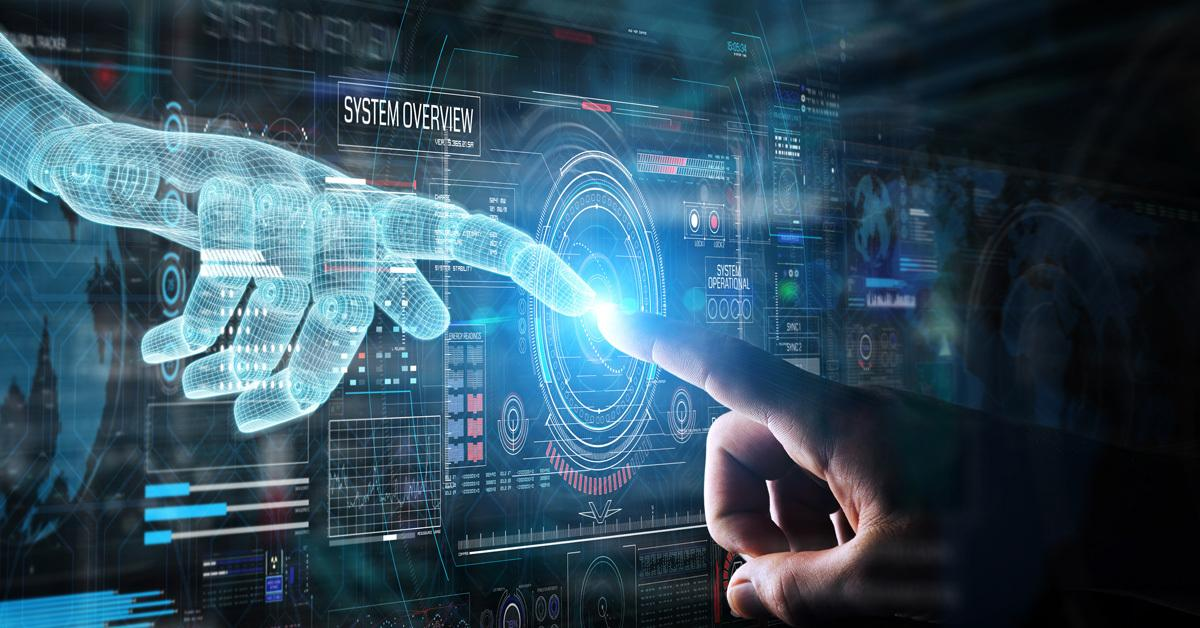
In the future, what will differentiate people is not who masters more temporary prompt techniques, but who can design and solidify a stable human-AI collaboration system (Human-AI Operating System).
- Clarify the division of labor interface:
AI's role: data collection, data organization, draft generation, framework building, code writing, formatting, repetitive tasks, and scenario simulations.
Human-exclusive: timely feedback, strategic direction, value judgment, risk-taking, final decision-making, aesthetic taste, ethical boundaries, and understanding of the real world.
- Create customized system prompts: Summarize your work standards and core principles into normative documents and embed them in AI settings. For example: "When analyzing problems, first differentiate between facts and inferences; uncertain information must be clearly marked; do not create non-existent facts for the sake of completeness; important conclusions must provide a verification path."
- Continuously iterate the collaboration SOP: After completing a difficult task, reflect: Where were the highest communication costs? Why did AI misunderstand? What rules should it have been informed of in advance? Gradually establish your own standard operating procedures. (In some ways, treating AI like a "digital puppy" that needs long-term training isn't bad: the clearer the rules you give it, the easier it is to form stable working habits.)
3. Keep your thinking refreshed and clear, don't stubbornly grind when you're stuck
AI can work endlessly, but humans shouldn't consume unconditionally
One of AI's greatest advantages is also its biggest trap: it can always continue.
You can keep modifying prompts, ask AI to rewrite, switch models, change methods, analyze again, and then continue modifying. Until a few hours later, you suddenly realize: you don't even know what problem you originally wanted to resolve.
This is a cognitive trap that easily occurs in the AI era: machines do not have fatigue mechanisms, but humans do.
During moments of cognitive blockage or emotional anxiety, humans can easily fall into a vicious cycle of constantly adjusting prompts, trying to squeeze out the perfect answer immediately. Tugging back and forth with AI in a state of unclear instructions can not only severely deplete your cognitive energy but also confuse AI's processing principles, turning it into a relentless tool that consumes tokens and money without clarity. I once experienced a small algorithm bug where codex and claude, the top two models, failed to modify over two days. Later, I just stopped modifying, and the next day, with a clear mind, I suddenly thought of a completely different approach, resulting in AI completing it in 3 minutes through another method.
- Recognize signals of "cognitive diminishing returns": If you find yourself modifying prompts three times in a row without satisfactory answers, or if you start feeling visibly irritated by AI's output, it indicates that your thinking has entered a blind spot and cognitive energy has been depleted.
- Implement a forced shutdown: Once you feel "stuck," immediately leave your seat and stop interacting with AI. Go drink water, take a walk, shower, give your brain a cognitive buffer period and allow implicit thinking to operate naturally.
- Return from "stubbornly working on details" to "redefining the problem": When thinking is stuck, instead of optimizing the prompt, ask yourself again: "What is the real problem I want to solve? Did I set a wrong premise? Is this problem really worth solving further?"
Just like in stock investment, there's a sunk cost, it seems that the token consumption in the AI era may also create a similar sunk cost mentality.
4. Decisively interrupt AI, take control of the interaction
Do not let AI's output rhythm take over your thinking rhythm
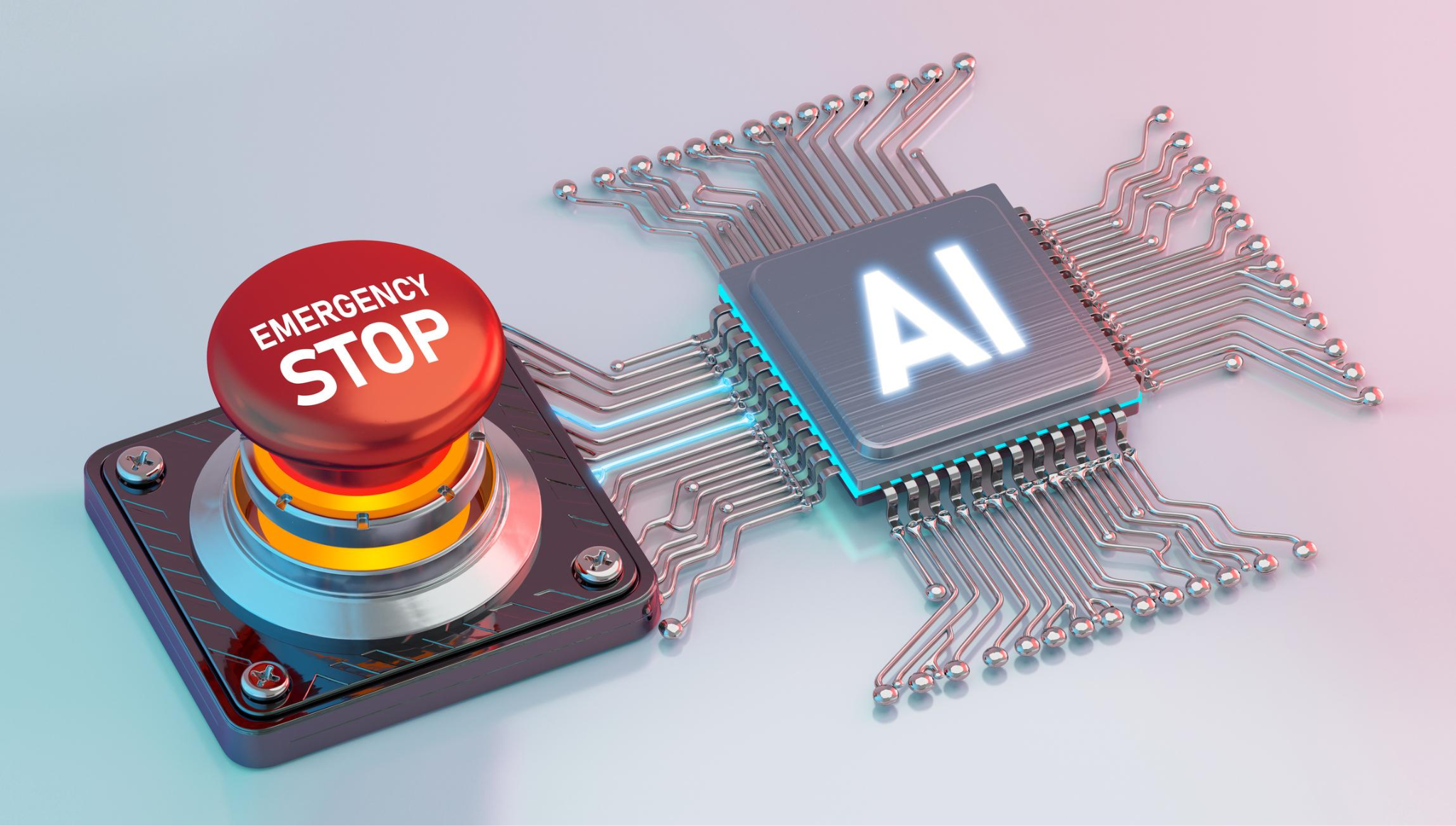
The generative mechanism of large language models determines that they may provide seemingly logical but actually biased and hallucinatory answers. If you habitually wait until AI finishes generating one or two thousand words before you read, your thinking rhythm will be completely diverted by AI.
You need to master a key human-machine interaction skill: iterative steering.
- Press the "stop generation" button: As soon as you find AI's output deviating from the core intent, starting to pile up empty talk and clichés, or the direction has been wrong from the first sentence, do not hesitate to interrupt it immediately, and never waste time reading ineffective information. Therefore, humans also need to watch if AI's thinking model is flawed in the process of AI's thought process; this aspect can be quite energy-consuming too. AI is like autopilot now; you cannot fully rely on it.
- Immediate correction and fine-tuning: After interrupting, immediately add constraints. For example: "Stop, you misunderstood. What I need is not an industry overview, but three specific actionable steps."
- Force it into "step-by-step thinking" mode: Refuse to accept completed plans that run into thousands of words. Ask AI to "first give three core assumptions, and after I confirm, expand the first part", breaking down big tasks into small loops, ensuring that the steering wheel of interaction is always in your hands.
5. Discover opportunities through inspiration, determine answers with taste
Answers and execution are becoming increasingly cheap; what's truly expensive is the questions and aesthetics
As AI capabilities improve, the "execution cost" for writing articles, coding, creating PPTs, and analyzing data approaches zero. If in the future, the token price for top models at the Claude Fable5 level mirrors the recent deepseek flash, then overall costs will significantly decrease. When answers become extremely cheap, the truly scarce items become: Should this IDEA inspiration be shared? What is worth doing? Why do it? Who’s problem should be addressed?
AI excels at solving problems, but humans must be responsible for selecting topics.
- Succeeding through inspiration (transforming from laborers to creative directors): AI has the knowledge of all humanity, but it cannot produce cross-domain intuition, life perception, and whimsical ideas in moments. Capture every fleeting thought (notebook for flashes, voice memos) and let your pure inspiration serve as seeds, allowing AI to help you exhaustively validate, supplement details, and quickly generate prototypes.
- Questioning power is productivity: Deep questioning ability stems from insight into the essence of business and an understanding of human needs. Frequently ask "why," "what if…," guiding AI in the right direction with high-quality questions.
- Use a high aesthetic standard to "cut" AI: AI typically provides mediocre "average answers." You need to have keen appreciation skills to accurately identify the mediocrity, preachiness, and logical flaws in AI outputs, and use rigorous taste to eliminate, refine, and reconstruct, injecting irreplaceable personal style and soul into the final results.
Conclusion: The stronger AI becomes, the less humans should turn themselves into AI
The real danger in the AI era may not be that machines are smarter than humans, but that humans gradually abandon the ability to think independently. Blindly following AI's commands could lead to a situation where, as the same AI system influences tens of millions or even hundreds of millions of people, even a very small percentage of systemic errors may be magnified at scale, ultimately affecting the cognition and decision-making of many. Especially for the generation that grew up alongside AI, the post-2000s generation. Currently, humans can control AI because the inventors-level engineers are still around; these individuals are familiar with the most basic codes of AI and proficient in those core bugs, but as AI starts programming and optimizing itself in the future, the number of such engineers will decrease.
The more advanced civilization becomes, the higher the complexity of systems; as systems become more complex, the dependence on infrastructure and key nodes becomes stronger.
Humans used to write knowledge on stones, bamboo slips, and paper, which could be preserved for hundreds or even thousands of years; today, we increasingly rely on servers, cloud computing, and online storage.
We have gained unprecedented efficiency, while also transferring part of the "memory rights" of civilization to digital infrastructure. This is actually another side of technological progress that deserves vigilance: the more powerful it becomes, the deeper the dependency may also grow. This may be a form of "Tai Chi" belonging to the AI era—gaining a certain strength while potentially losing another ability.
Just as today’s human knowledge is becoming increasingly reliant on digital storage. If one day, network infrastructure fails on a large scale, we may suddenly realize: knowledge still exists, but the ability to access that knowledge may vanish. This is very similar to how many people feel stripped bare when they lose electricity and their phones.
When AI can search, analyze, write, and program for you, do you still possess the perception to observe life, the courage to define problems, and the taste to judge good and bad?
The most core competitive barrier in the future will no longer be the amount of stored knowledge, but: the body's sensory ability, independent thinking power, sharp judgment, cross-domain inspiration, and the ultimate decision-making power in defining problems.
AI can help us generate answers increasingly quickly, but one question always needs to be answered by humans: "What kind of world do we want to create?" This question should remain for humans to answer for a long time to come.
免责声明:本文章仅代表作者个人观点,不代表本平台的立场和观点。本文章仅供信息分享,不构成对任何人的任何投资建议。用户与作者之间的任何争议,与本平台无关。如网页中刊载的文章或图片涉及侵权,请提供相关的权利证明和身份证明发送邮件到support@aicoin.com,本平台相关工作人员将会进行核查。


