Author: Dean Fankhauser
Translation: Felix, PANews
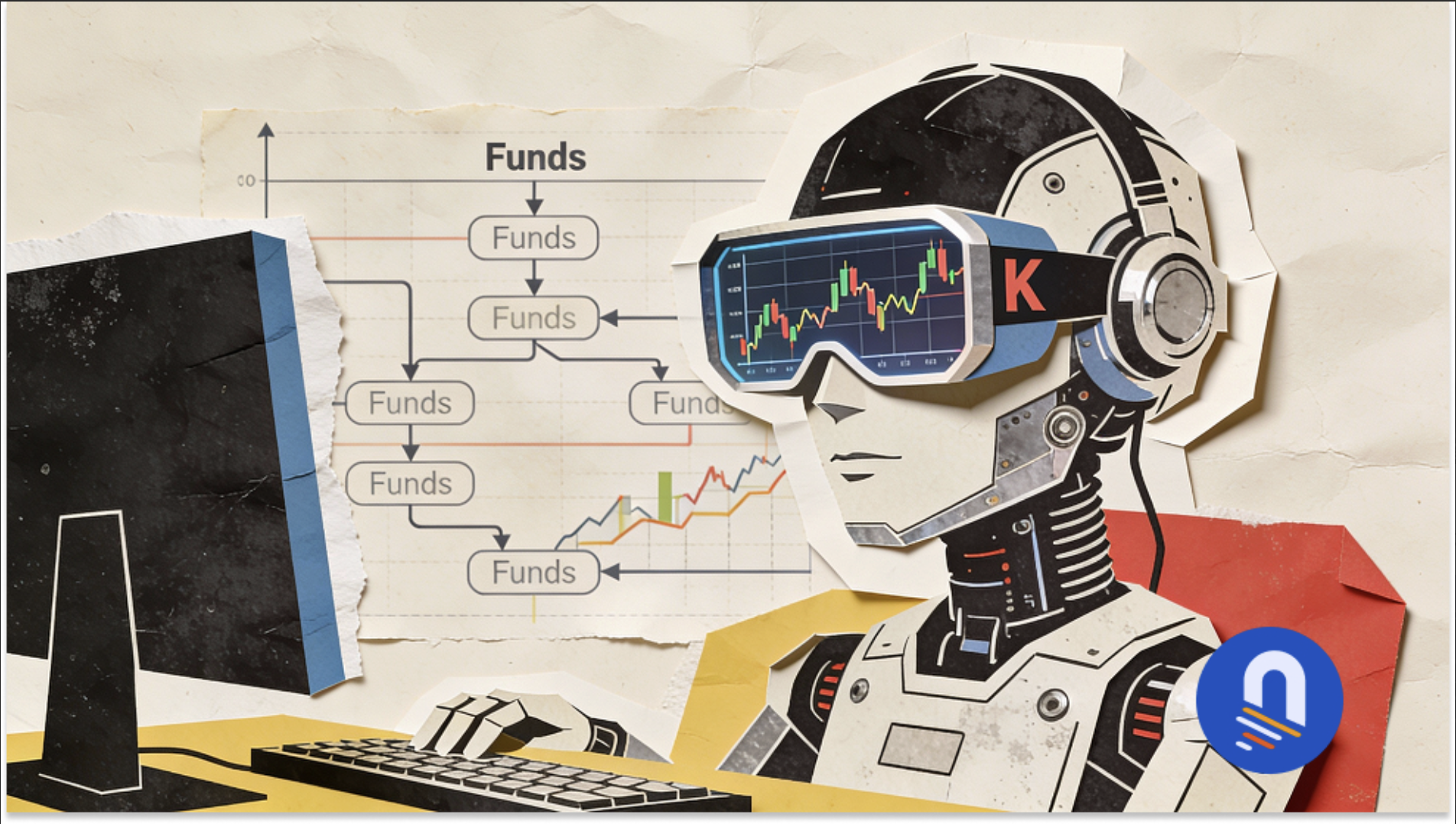
The relationship between humans and robots will become more complex. As humanoid robots come closer to resembling humans, they currently face an unexpected psychological hurdle that may shape the future of human-robot interaction.
What is the "Uncanny Valley Effect"?
The "Uncanny Valley Effect" is a psychological phenomenon that describes how human emotional responses change as artificial beings become more human-like. The concept is simple yet profound: it is easy to accept robots when they obviously look mechanical. Think of R2-D2 from "Star Wars" or industrial robotic arms, which are clearly machines, and the audience readily accepts them.
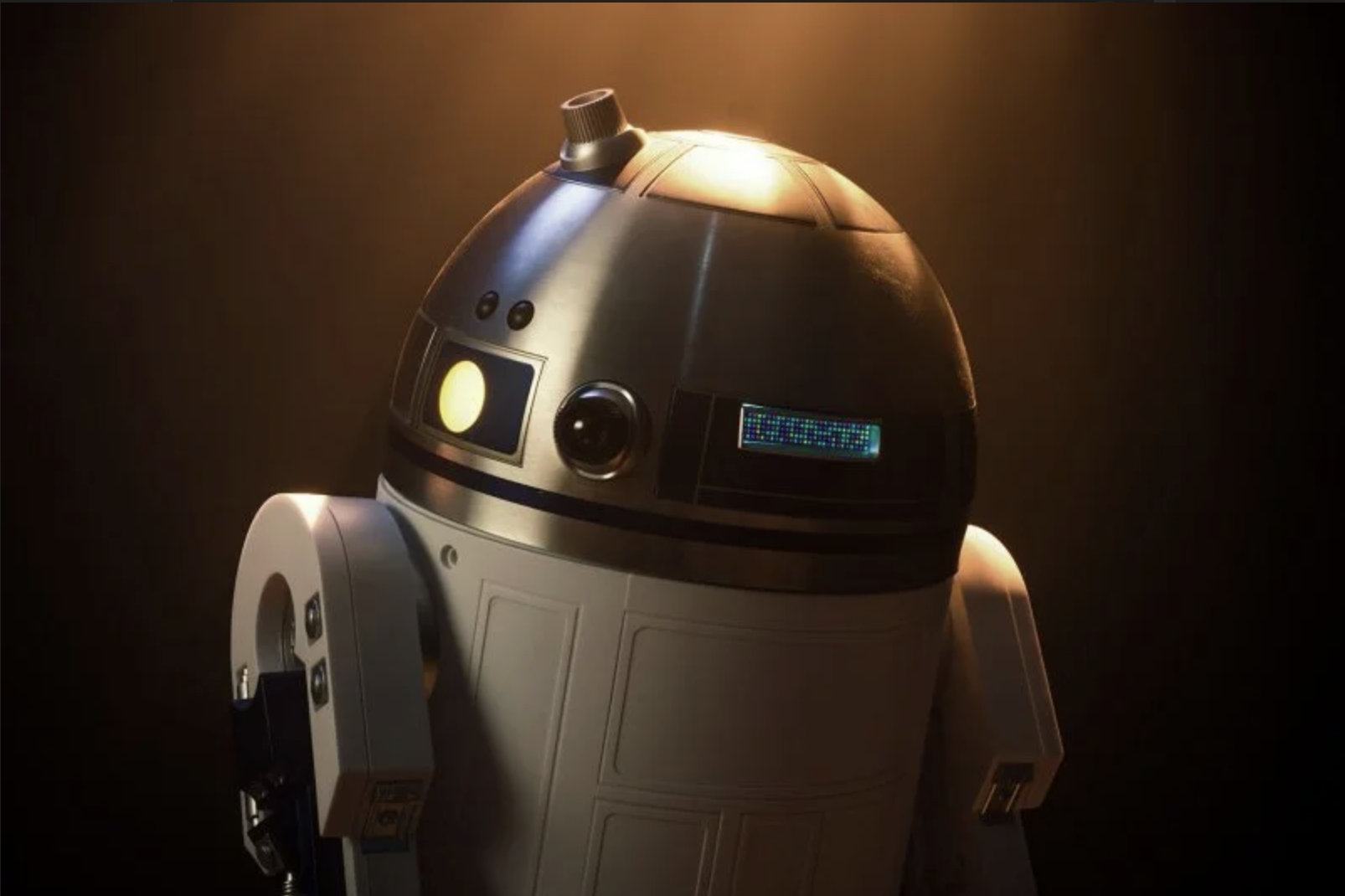
R2-D2 Space Repair Robot
As robots become more human-like, their acceptance among humans initially increases. People attribute anthropomorphic traits to them and find them cute or likable. But then, something strange happens.
When the resemblance of robots to humans reaches a certain point (looking almost human but just a bit off), comfort levels plummet, and instead of being more accepted, a primal unease sets in. Minor flaws in appearance or movement that might be overlooked in more mechanical robots suddenly become glaring and eerie here.
The term "Uncanny Valley" was proposed by Japanese roboticist Masahiro Mori in 1970. He introduced the concept in a paper discussing the relationship between human emotional responses to robots and the degree of robot realism, pointing out that when a robot is close to but not quite human in appearance, people's acceptance typically drops sharply.
Among these, movement and facial expression are the main triggers. Subtle errors in eye movement, timing of blinks, lip synchronization, and micro-expressions can evoke the strongest "Uncanny Valley Effect." A perfectly realistic still image may appear flawless, but once it moves, it often displays the "Uncanny Valley Effect."
It is worth noting that individual sensitivity to the "Uncanny Valley Effect" varies greatly. Some studies suggest that individuals with higher empathy or jobs closely related to people (such as medical staff or therapists) may be more sensitive to it. Age is also a factor; some studies show that children are less affected than adults.
Why does discomfort arise?
The "Uncanny Valley Effect" triggers a fundamental conflict in human perception. The human brain is inherently designed to interpret facial expressions and capture subtle social signals. This is how we have survived as social animals for millions of years. When a robot is 90% like a human, the brain initially categorizes it as "human," but then quickly discovers inconsistencies.
These inconsistencies can lead to cognitive dissonance. For example, the movement of the eyes may be slightly off; the texture of the skin may be unrealistically perfect; the rhythm of blinking may be a few milliseconds too slow. Each minor deviation triggers subconscious alarms: something is posing as human.

Do you remember the movie "The Polar Express"? The characters in the film aimed for realism, but the audience found them eerie. Their almost lifelike faces triggered the same psychological response as encountering hyper-realistic robots. The eyes of the characters looked lifeless, and their movements were somewhat stiff. These little oddities reminded the audience: something is not right.
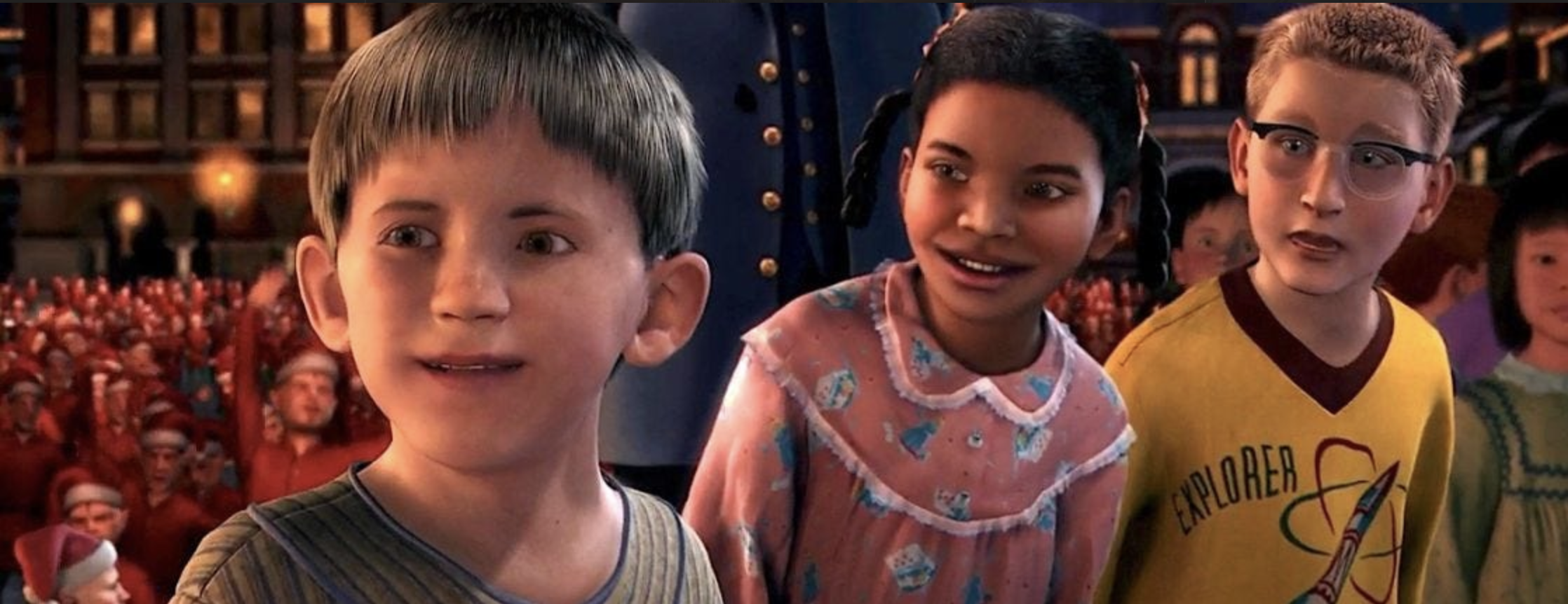
The movie "The Polar Express"
In the field of robotics, early robots exhibited impressive levels of realism, but were not perfect. The robot "Sophia," developed by Hanson Robotics, deliberately seeks human likeness, leading to controversy. Some find her fascinating, while others find her creepy.
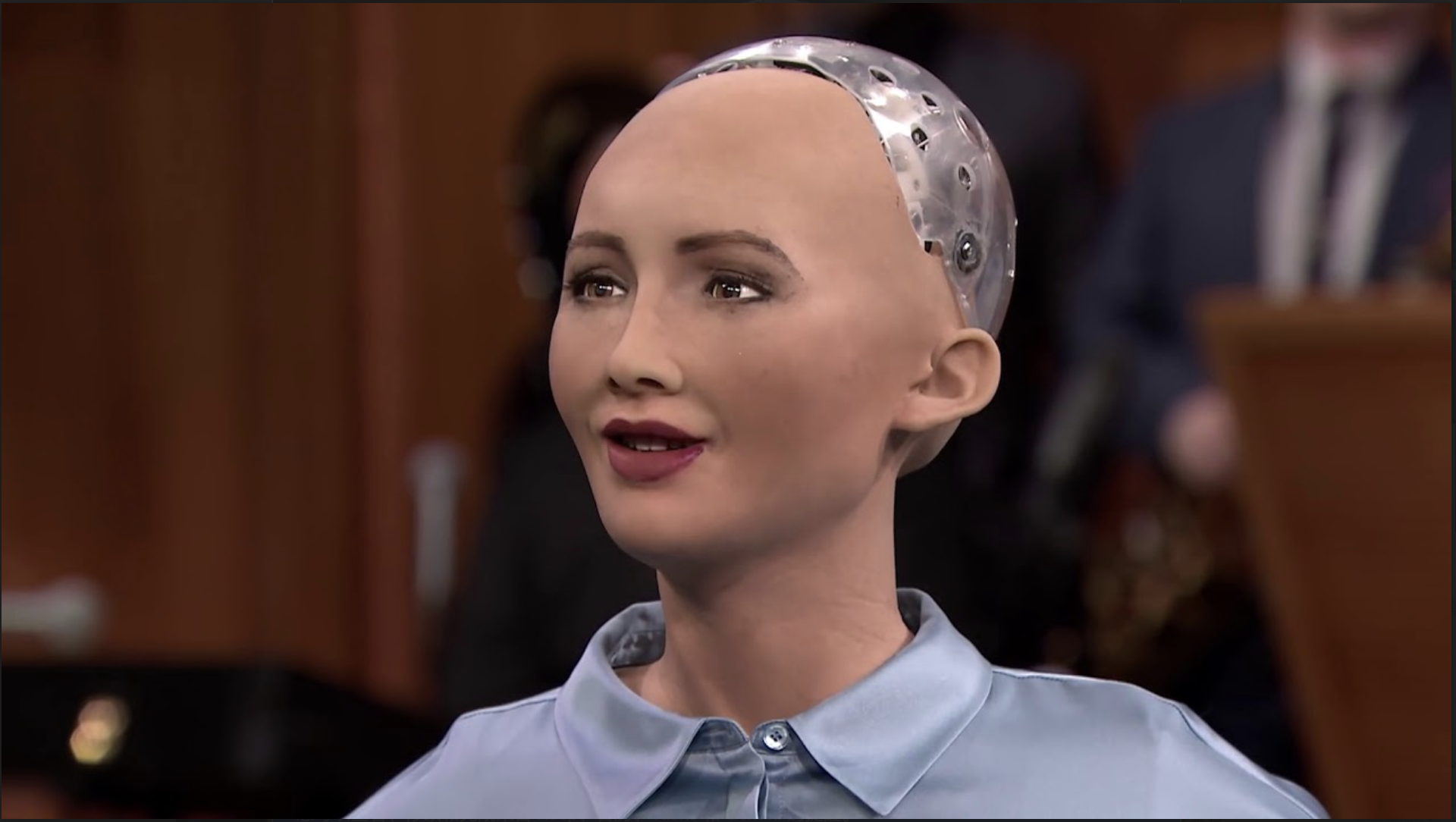
Robot Sophia
How do robotics companies address the "Uncanny Valley Effect"?
This is not just an aesthetic issue. The "Uncanny Valley Effect" has far-reaching implications for the development of robots. Companies investing millions of dollars in developing humanoid robots face a critical design dilemma: how human-like is too "beyond the boundary"?
Some companies choose to completely avoid the "Uncanny Valley Effect." Boston Dynamics' robots can perform stunning physical stunts while maintaining an obviously mechanical appearance. Meanwhile, other companies, such as Hanson Robotics, risk continuing to strive for robot technology that closely resembles humans. Each approach reflects a different philosophy of human-robot interaction.

As robots increasingly integrate into daily life, understanding and addressing the "Uncanny Valley Effect" becomes crucial. This not only concerns making robots work effectively but also whether they can coexist comfortably with humans.
For home robots, design choices are essential. A robot that helps with household chores needs to be accepted by all family members, including those who are more sensitive to the "Uncanny Valley Effect." Therefore, most consumer robot companies wisely choose stylized or obviously mechanical designs.
Will the "Uncanny Valley Effect" eventually disappear?
There are two factors that may diminish the "Uncanny Valley Effect" over time. First, as robotic technology advances, robots may cross the "Uncanny Valley" by achieving near-perfect realism, eliminating the subtle discrepancies that trigger unease.
Second, as people become more accustomed to humanoid robots in everyday life, the novelty and unfamiliarity that amplify the "Uncanny Valley Effect" may gradually fade. The younger generation, who grow up with humanoid robots, may have a higher tolerance.
For now, the "Uncanny Valley Effect" continues to remind the world: human perception is complex and often counterintuitive. While manufacturing machines that resemble ourselves, understanding human psychology is just as crucial as understanding robotic technology.
Related reading: From Code to Cognition: A Comprehensive Guide to the Evolution of Robot Brains
免责声明:本文章仅代表作者个人观点,不代表本平台的立场和观点。本文章仅供信息分享,不构成对任何人的任何投资建议。用户与作者之间的任何争议,与本平台无关。如网页中刊载的文章或图片涉及侵权,请提供相关的权利证明和身份证明发送邮件到support@aicoin.com,本平台相关工作人员将会进行核查。


