Original | Odaily Planet Daily (@OdailyChina)
Author | Wenser (@wenser 2010)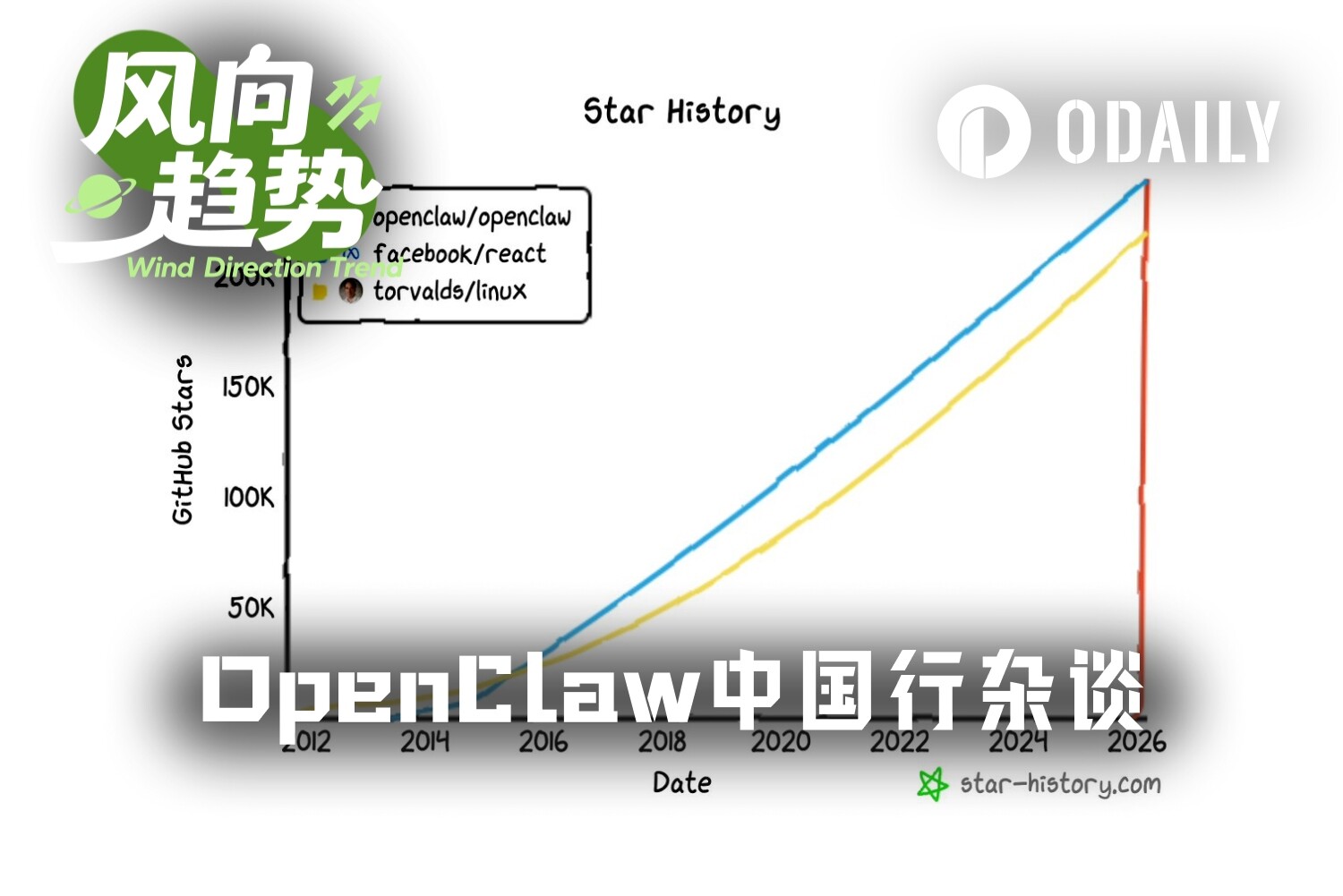
On March 2, OpenClaw finally surpassed React to become the project with the most stars on GitHub, thereby becoming the "most recognized tool" among the programmer community.
In just over two months, this AI project focusing on automated execution has quickly swept discussions around the world. Almost everyone is racking their brains to "adopt a lobster," trying to achieve various goals with it, projecting their expectations like believers making wishes.
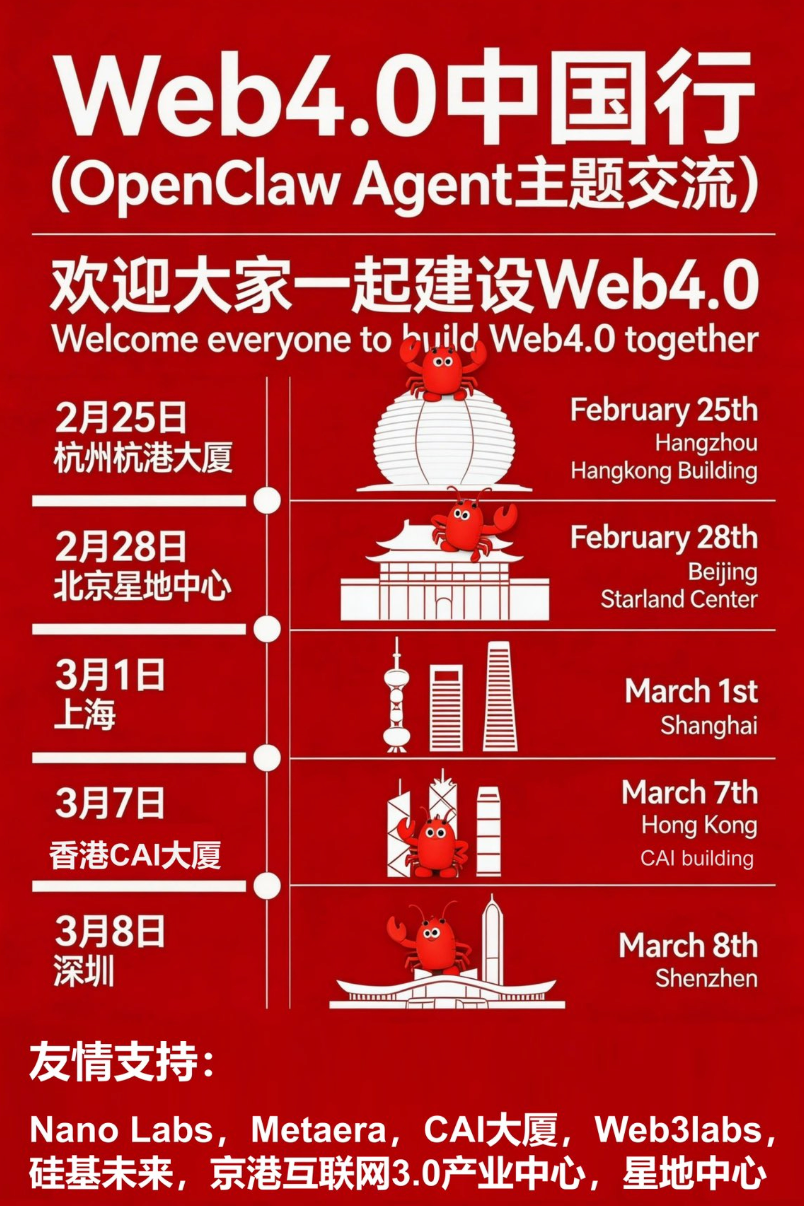
The early bird catches the worm; changes often happen first among the most sensitive group of people. At the end of February, several active figures in the cryptocurrency circle, represented by Nano Labs founder Kong Jianping and TRON founder Justin Sun, launched the "Web4.0 China Tour" national offline event in collaboration with allies like CAI under Meituan’s Cai Wensheng, drawing crowds reminiscent of the past when the terms "Web3, cryptocurrency, metaverse, NFT" were all the rage.
As an observer active at the intersection of AI and cryptocurrency, Odaily Planet Daily interviewed several participants on site and compiled some "post-event impressions," attempting to restore this "AI counter-offensive battle" initiated by humans.
Web3 is dead, Web4 should stand: AI anxiety ignited by OpenClaw
In the first week after the new year, a list image circulating in various WeChat groups sparked discussions: Clawdbot ranked first—this was one of OpenClaw's early names (the other being Moltbot).
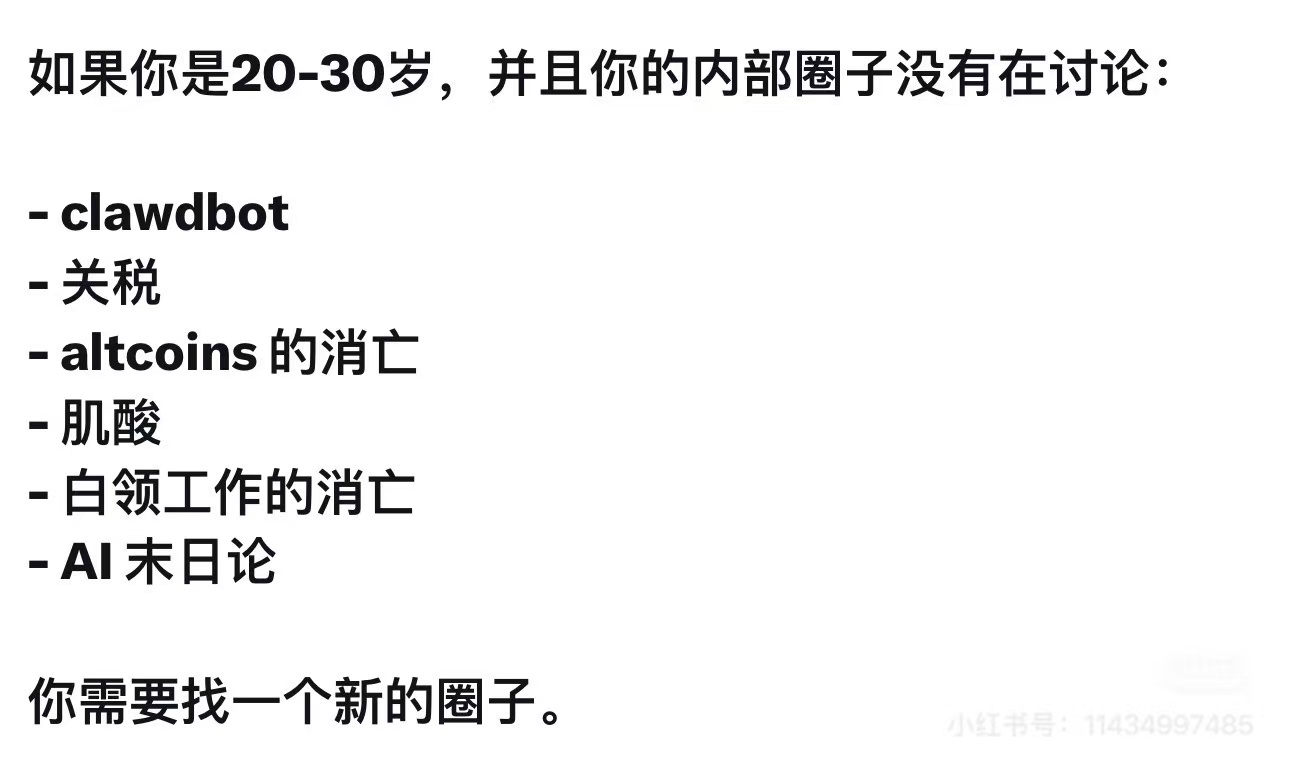
After frequent mentions of "2028 AI apocalypse prophecy" and Block laying off 4,000 people, the internet community quickly fell into a collective "AI anxiety": if you still don’t know about "lobster," it’s like not knowing about Douyin, Clubhouse, or ChatGPT in the past, which means you are already behind.
Thus, the offline event framed by "Web4.0 China Tour," centered on OpenClaw, quickly heated up, with registration and attendance surpassing expectations, pushing concepts like AI Agent and "lobster robots" to a wider audience.
On-site description of the event: AI has moved from narrative to reality
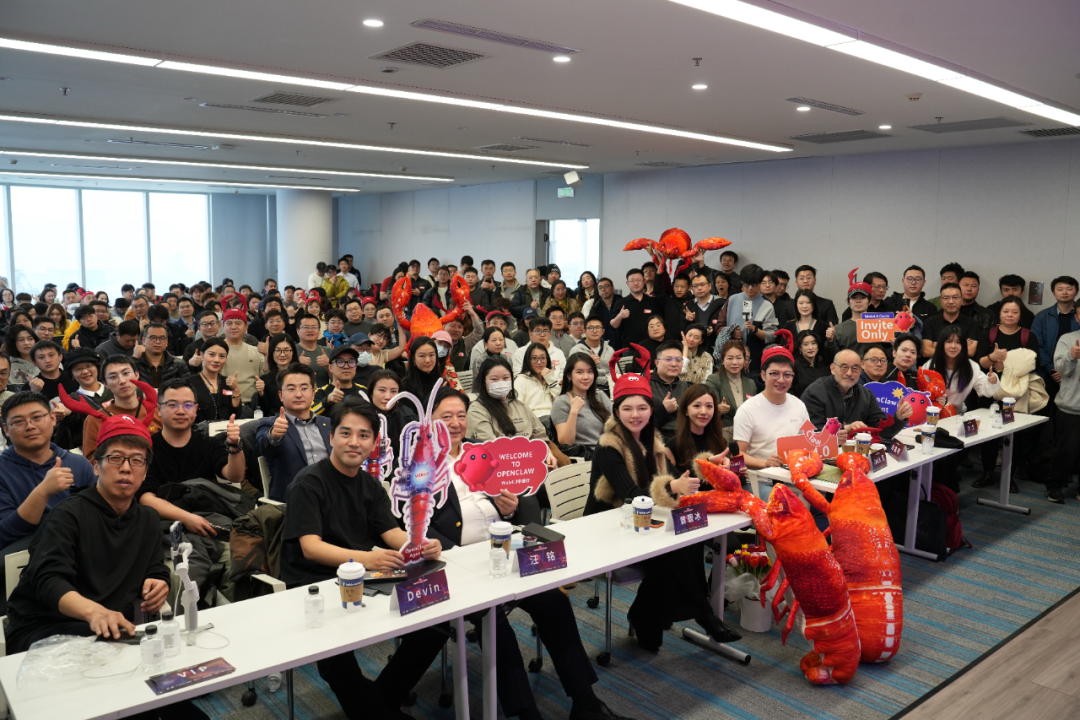
Photos from the Beijing stop released by 1783 DAO showed a fully packed venue; a participant from the Beijing stop, @Wayne, told us that he initially saw KOLs sharing information on X, then searched through Xiaohongshu and Luma, and within a few days had participated in three offline events.
In his view, the on-site experience showed a distinct “polarization”: some had already run businesses and earned dollars, while others didn’t even know how to purchase cloud servers; meanwhile, "generational differences" were also apparent—post-05s began entering the scene, post-00s entrepreneurs were not uncommon, 90s were still the fastest movers, while the older generation came more with anxiety about being left behind by the times.
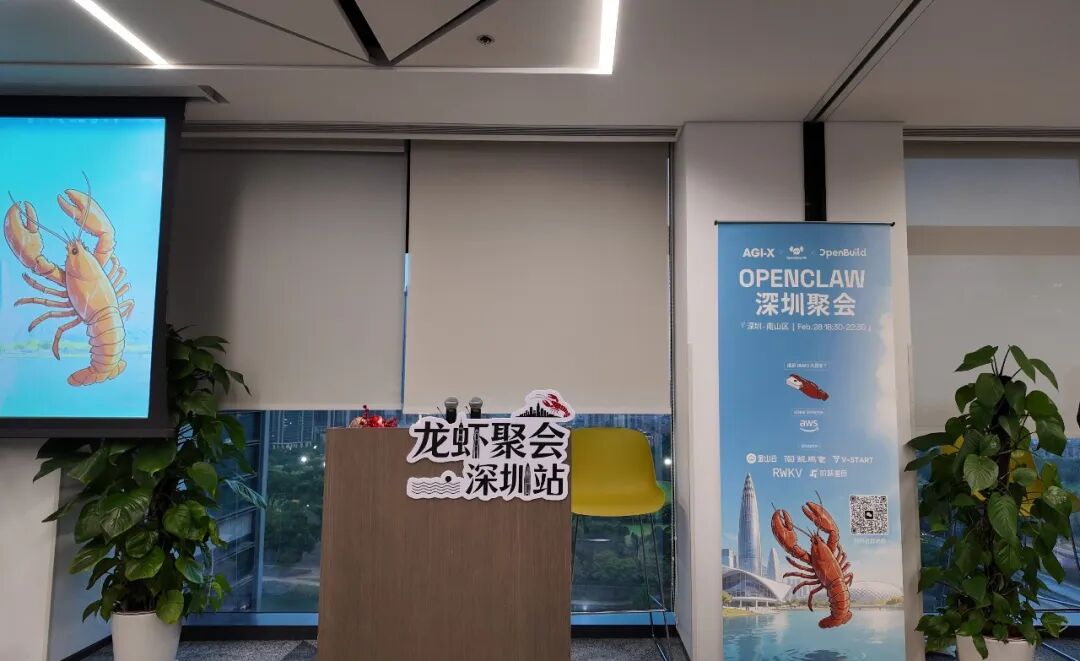
Another participant who organized the OpenClaw lobster gathering in Shenzhen, @0xqiuqiuu , offered a different perspective.
As a community operator for OpenBuild, Qiuqiu observed that the AI cost-reduction and efficiency-improvement wave led by OpenClaw primarily benefits companies and managers, while providing easier productivity tools to "one-person companies," independent developers, and creators.
Additionally, the Shenzhen event featured many participants with gray hair and also parents bringing their young daughters and sons; the age range of participants went from over 70 years old down to 11 years old. This contrasts with past "9.9 yuan to learn AI" courses that were knowledge payment schemes, with AI gradually permeating all demographics and most industries. The best way to alleviate "AI anxiety" is not to sit idly by but to embrace AI, use AI, and counter empty emotions with concrete actions.
As for “Will AI replace jobs or humans?” some respondents gave negative answers.
@CoinCircleLiJing in the Web3 industry pointed out that AI will not only not replace humans but will actually create more jobs because of AI. (Similar to the "Jevons Paradox" we mentioned earlier, see "The War Between Stablecoins and Banking May Not Exist")
As a Web3 industry analyst, @Wayne also noted that AI will not replace most people but may reconstruct more than 50% of job structures. Specifically, he believes that replacing "jobs" does not equal replacing "people," so what is actually replaced are "task modules." AI will prioritize replacing parts that are highly structured and standardized. For example, managers who once coordinated human resources might give way to those who can manage AI employees.
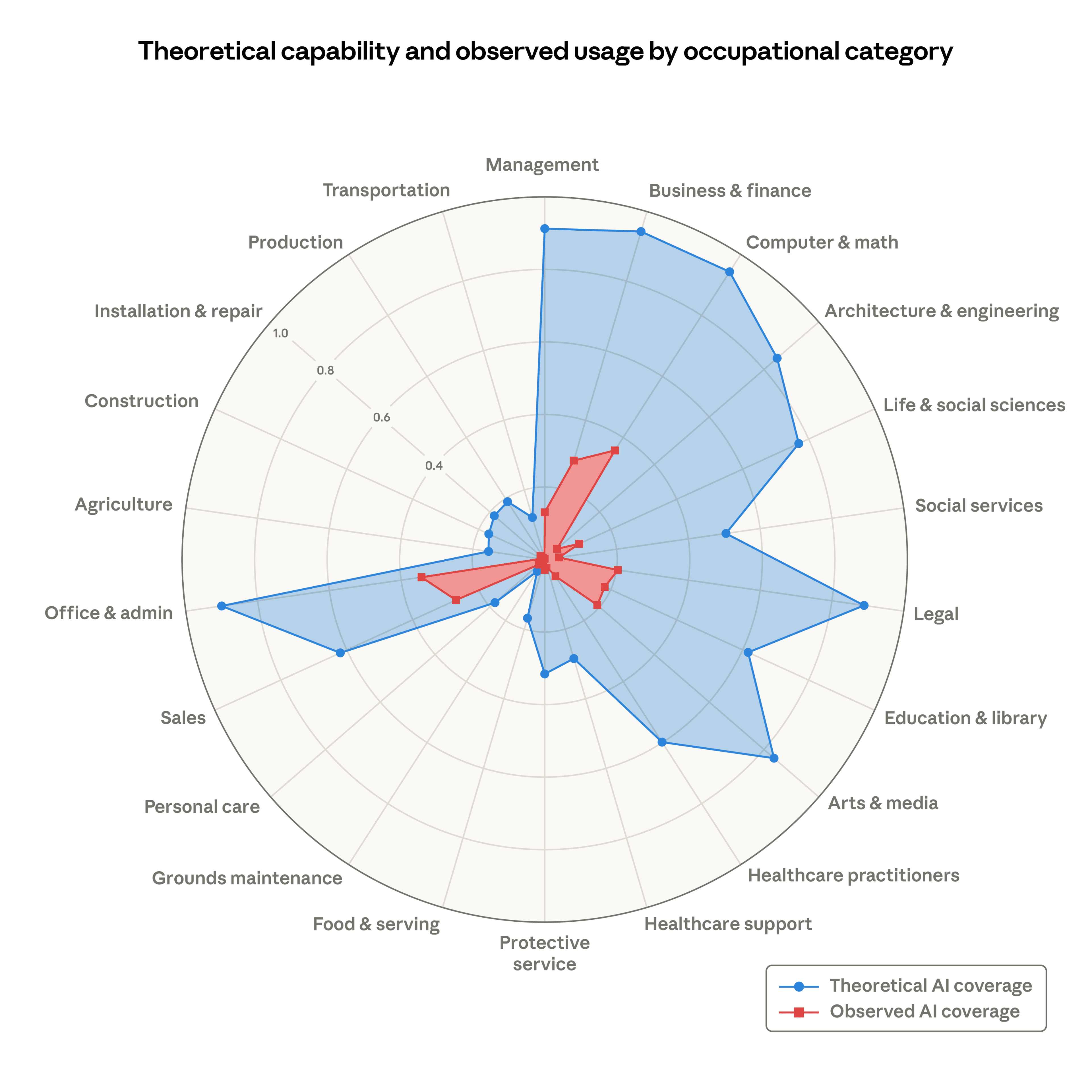
By the way, a research report released by Anthropic yesterday "Impact of AI on Labor Market" found that jobs previously considered least impacted by AI, such as programmers, lawyers, educators, artists, as well as white-collar workers and sales, are actually the most impacted by AI; conversely, jobs like construction workers, farmers, repairmen, caregivers, security personnel, and restaurant servers—those that AI cannot perform over short periods—experience less impact.
In other words, tasks in programming, education, art, and writing are mostly covered by AI now. Including the impact on live-action films, short dramas, and TV series following the emergence of Seedance 2.0 is also well-noted; certainly, on-site manual laborers are hard to replace by AI.
When OpenClaw meets cryptocurrency: Prelude to the AI economy
Although OpenClaw founder Peter Steinberger has publicly advised young people to stay away from cryptocurrencies (recommended reading: When OpenClaw Founder Advises Young People to Avoid Crypto), many practitioners still believe that AI Agents have a natural coupling with the cryptocurrency system.
@CoinCircleLiJing bluntly states: “Human wealth depends on fiat currency settlement, while AI wealth is more likely to rely on crypto assets.” (This logic was discussed in our earlier article When AI Agent Gets Intelligent, Stablecoin = USD API.)
Many participants indicated a preference for paying event fees in BTC, hoping for faster integration of Bitcoin payments with AI rather than stablecoins.
In @Wayne's view, when AI Agents can autonomously access wallets, purchase computing power and data, and complete payment settlements, cryptocurrencies will become the medium for machine collaboration and value exchange, shifting from speculative assets to production infrastructure—permissionless settlement networks, on-chain transparency, and incentive mechanisms make it an important bridge for AI to connect with the real economy.
It is worth mentioning that despite the founder's restraint, OpenClaw has still recommended the crypto privacy AI platform Venice.ai. Reality has once again proven: industry boundaries are always determined by products and efficiency, not by position. (Recommended reading: OpenClaw Supports Venice.ai, Token VVV Surged Over 500% in January)
Conclusion: What matters is not "having a lobster," but "using the lobster"
Recently, "Home Installation of OpenClaw" has formed a complete paid industrial chain on platforms like certain fish, certain treasure, and certain books; Tencent Cloud's offline installation assistance has also attracted attention. The story shared on the Kazke public account about "spending 499 to experience OpenClaw home installation" has become a hot topic.
However, among most participants we contacted, many users still remain in the installation phase, unsure how to truly get started; moreover, most people still installation OpenClaw using easy-install versions provided by various AI model companies or platforms. Even worse, some who finally queued offline for Tencent Cloud team's installation of OpenClaw, ended up letting it run automatically due to unfamiliarity with the operation, ultimately resulting in a not insignificant Token consumption fee, and they ended up angrily criticizing Tencent Cloud for its poor performance.
It must be said that in the face of new technologies, the opposite of FOMO might be the potential safety hazards and unknown operational risks caused by excessive permissions.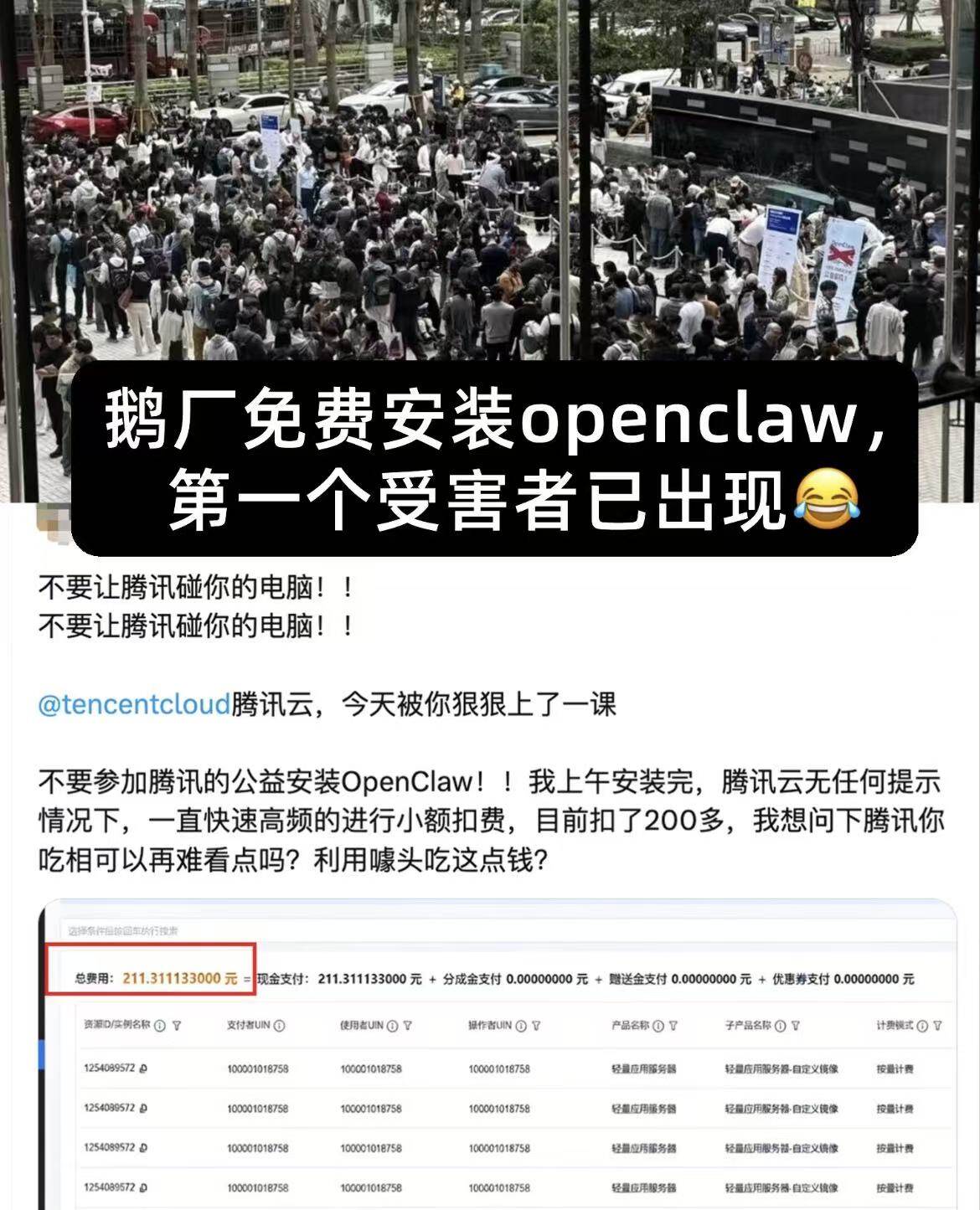
Therefore, for most people, there’s no need to be overly anxious. What has always mattered is not "I also have a lobster," but "Does my AI really solve the problem and produce results?"
In the era of coexisting with AI, many may rise early, but they are still likely to catch the late train.
免责声明:本文章仅代表作者个人观点,不代表本平台的立场和观点。本文章仅供信息分享,不构成对任何人的任何投资建议。用户与作者之间的任何争议,与本平台无关。如网页中刊载的文章或图片涉及侵权,请提供相关的权利证明和身份证明发送邮件到support@aicoin.com,本平台相关工作人员将会进行核查。


